
The suspension of the MV Odyssey’s global voyage in Cambodia followed unsustainable financial pressure caused by extraordinary increases in fuel costs. What was marketed as a residential luxury experiment has devolved into a liquidity crisis, leaving over 200 passengers—primarily Americans—stranded in Sihanoukville after the operator, Villa Vie Residences, admitted its operating model is no longer sustainable. The catalyst was not a failure of demand, but a violent spike in fuel overheads triggered by the closure of the Strait of Hormuz and the subsequent war with Iran.
The Odyssey Financial Collapse:
- The Alpha Metric: Fuel costs per cabin in Asia surged from $1,800 to $8,000 per month, an increase that obliterated the ship’s operating margins.
- Liquidity Gap: Management attempted a desperate $1 million crowdsourced capital raise from passengers just to keep the lights on in Vietnam.
- Operational Failure: The vessel is currently operating at a fraction of its 650-passenger capacity, severely limiting the company’s ability to distribute fixed costs.
Hormuz Closure Drives Fuel Costs to Liability Levels
The economics of the MV Odyssey were predicated on a stable energy market. That stability vanished on February 28, 2026, when the Strait of Hormuz effectively closed due to the onset of war with Iran.
When the monthly cost to fuel a single cabin jumped to $8,000, the business model shifted from a luxury service to a liability. The company explicitly stated that passing these costs directly to the residents was not a realistic solution.

The Residential Model as a High-Risk Asset
Unlike traditional cruising, the Villa Vie Odyssey operated on a residential investment model. Passengers like Carol Larson, a California resident, paid $120,000 for their cabins in installments, coupled with monthly maintenance fees, for a potential 15-year tenure.
The BBC notes that the ship’s departure from Belfast in October 2024 was already plagued by repairs that cost the company millions. By the time the vessel reached Cambodia, it was already fragile. The reported visit from a potential investor for due diligence—which ultimately failed to materialize—suggests the company was hunting for a bailout long before the official suspension.
“Extraordinary increases in fuel costs have placed our current operating model under unsustainable financial pressure.”
The Main Street Bridge: From Luxury Cabins to 401ks
While the stranded passengers are the immediate victims, the Odyssey collapse signals a warning for those who invested in the cruise line’s residential program.
Poor Communication Leaves Retirees Stranded in Sihanoukville
The operational collapse was not a sudden event, but a “cascade of problems,” according to passenger Randy Cassingham. The lack of transparency is a recurring theme; some residents reported learning of the cancellation via a message board post on a Monday morning. Others, as reported by the BBC, were given a window of only eight hours—from 6 a.m. to 2 p.m. on a Tuesday—to vacate the ship.
The choice of Sihanoukville as the terminus adds a layer of volatility. The BBC describes the port city as a hub for Chinese casinos and scam centers, creating a precarious environment for stranded retirees. With the ship now docked and a 60-day window for “restructuring and recapitalization” announced by the company, the passengers are essentially hostages to a corporate reorganization process with no guaranteed outcome.
Market Sentiment and the Future of Residential Cruising
The inability to hedge fuel costs or maintain a sufficient passenger load (203 out of 650) left the company with no margin for error.
The ship remains in Cambodia, a floating monument to a business plan that forgot to account for the cost of the fuel required to move it.
Disclaimer: The information provided in this article is for educational and market analysis purposes only and does not constitute financial, investment, or legal advice. Always consult with a certified financial professional before making investment decisions.
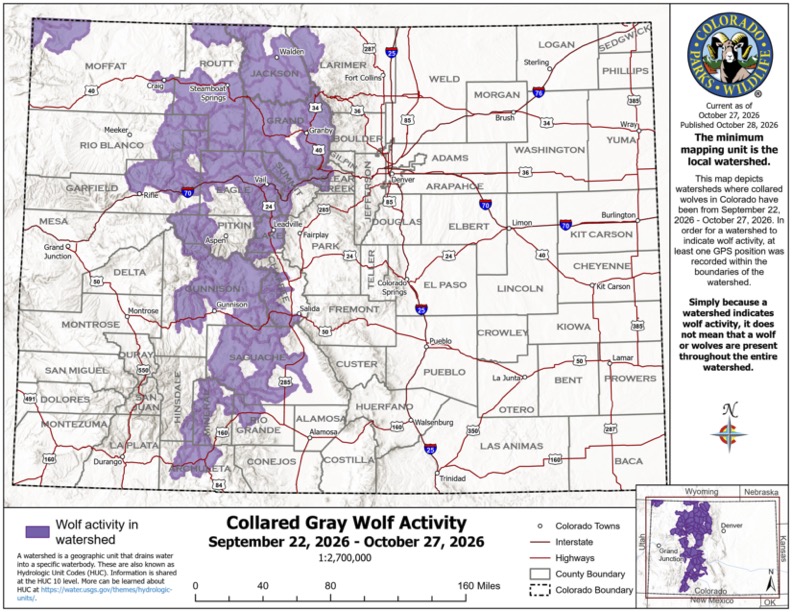
Wolves Expand Western Range: Colorado Gray Wolf Activity Map
Colorado's collared gray wolves expanded their footprint across the Western Slope through October, pressing into watersheds from Walden...

Hasan Piker canvases for Emily Smet in Sacramento
Hasan Piker, a prominent left-wing Twitch streamer, traveled to Sacramento on October 28, 2026, to canvas for Emily...

Fed Chair Kevin Warsh Says US Economy Is Strong as Fed Holds Rates Steady
The U.S. economy's third-quarter GDP is likely running above 3% growth, according to Federal Reserve Chairman Kevin Warsh,...

Obituary: Annie Kate Austin of Bradley, South Carolina
Annie Kate Austin, a 71-year-old resident of Bradley, South Carolina, passed away at her home on Monday, October...