
Legal Battle Over Absentee Ballots in Alaska Senate Race
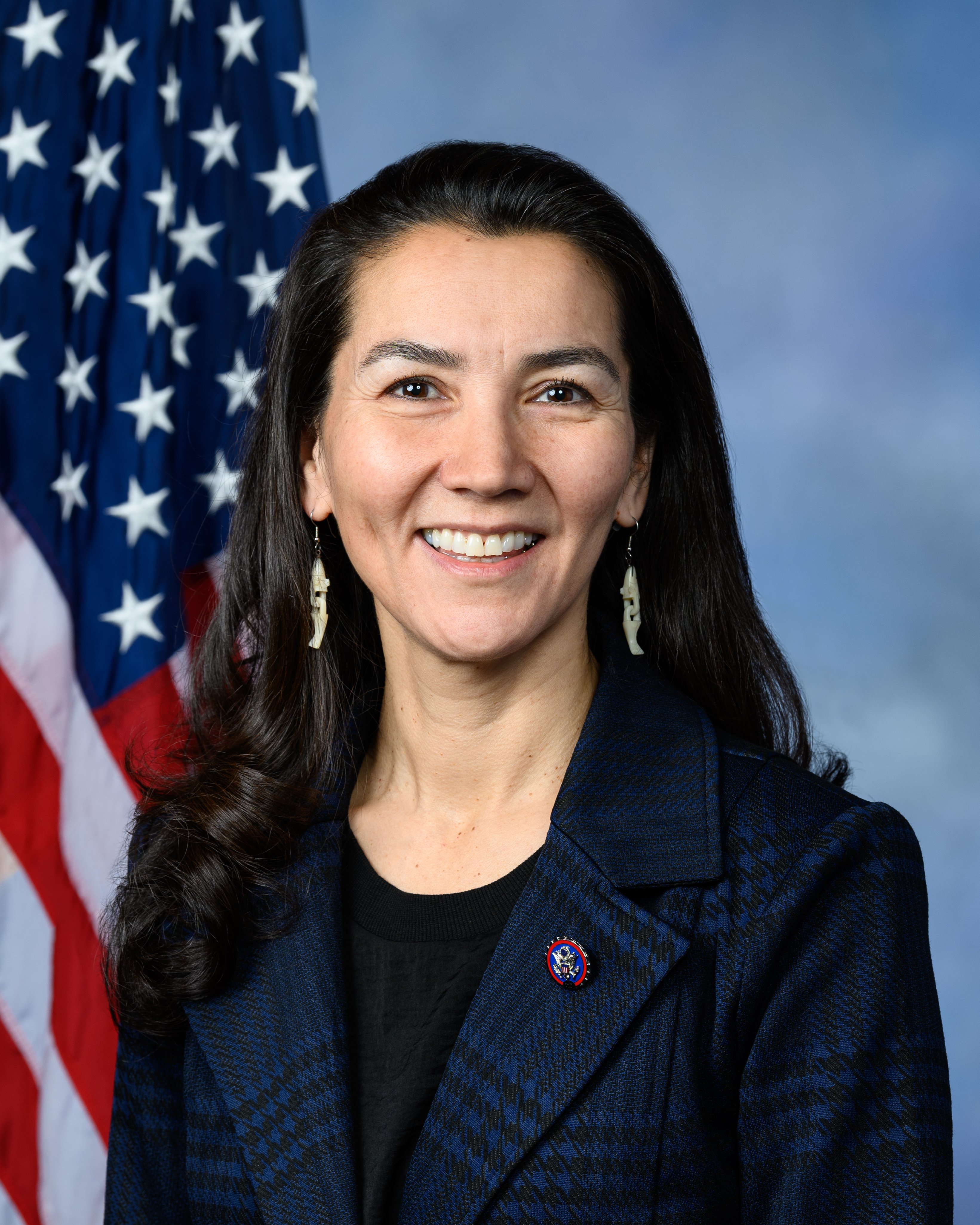
The razor-thin margin in Alaska’s U.S. Senate contest has moved from the ballot box to the courtroom. On Friday, the campaign for Democratic candidate Mary Peltola filed a lawsuit against Alaska election officials, demanding access to records regarding absentee ballots cast in the November 3 general election. As the state continues to process tens of thousands of outstanding votes, the legal action signals a high-stakes effort to influence the final count in a race that currently sees Peltola leading Republican incumbent Dan Sullivan by 637 votes, according to the Alaska Division of Elections.

The lawsuit, filed in Anchorage Superior Court, names the Alaska Division of Elections, its director Carol Beecher, and Lt. Gov. Nancy Dahlstrom as defendants. At the heart of the dispute is the campaign’s request for the “Absentee Register,” specifically seeking the “accept or reject” codes for returned ballots. The Peltola campaign argues that without this granular data, it cannot verify whether its supporters’ votes are being correctly processed. “The campaign is ensuring transparency, timeliness, and accuracy as the counting process continues and every Alaskans’ voice is heard,” the campaign stated.
State Officials Defend Confidentiality Policies
The Alaska Department of Law has moved to block the request, maintaining that the information the campaign seeks is preliminary and legally protected. Sam Curtis, a spokesperson for the department, noted that the state has long treated such data as confidential to prevent interference during the active processing period. The state argues that releasing these records would create unnecessary administrative burdens and potentially delay the timely certification of election results.
“Releasing preliminary information in the manner sought by the lawsuit would create additional burdens during ballot processing and could delay the timely counting of votes,” the Department of Law said in a statement. “The Division has protected this information for years and will ask the court to protect it too.”
While the state has allowed authorized observers to view certain daily records under confidentiality agreements, it contends that the specific, individual-level data requested by the Peltola campaign is not yet public or final. The Department of Law emphasized that the information is currently subject to change and is not yet available to the affected voters themselves.
A Contested Path to Certification
This litigation adds a layer of complexity to a race that has already drawn federal attention. Last month, a lawsuit brought by the U.S. Department of Justice—under orders from President Donald Trump—attempted to halt the certification of the race and segregate specific ballots, citing concerns over votes intended for a namesake candidate, Dan J. Sullivan, who captured 1.7% of the vote. A U.S. District Court judge dismissed that case last weekend, though the federal government has filed an appeal. The 9th Circuit Court of Appeals is not expected to receive briefings on the matter until January 11, well past the state’s scheduled certification date.
With more than 215,000 ballots already counted, both the Peltola and Sullivan campaigns have issued conflicting statements asserting their respective paths to victory. The uncertainty is expected to persist for at least another week. According to the Anchorage Daily News, the final outcome remains tied to the ranked choice tabulation scheduled for November 18, with official certification slated for November 25.
Judge Thomas Matthews, who is presiding over the current public records case, now holds the decision on whether the state must disclose the rejected ballot data before that deadline. For the thousands of Alaskans whose ballots remain in the “questioned” or absentee category, the court’s ruling will determine the speed and transparency of the final tally that decides who will represent the state in the U.S. Senate.
Worth a look

Democrats aim to lower costs but face Trump’s veto power
Democrats secured majorities in both the House and Senate this week, positioning them to challenge President Donald Trump...

Gabriel Garcia’s Criminal History Revealed After Lakewood Officer Killed
A Community Grieves as Details Emerge on Accused Shooter’s History The city of Lakewood is mourning the loss...
Arkansas beats Northwestern State 89-59 to move to 2-0
The scene at Bud Walton Arena on Friday was a far cry from the typical hushed intensity of...

Phoenix Police Seek Suspects After Shooting at Halloween Party
Phoenix police are actively searching for multiple suspects following a violent confrontation at a Halloween party that left...