
“The bottom line is the bottom line, and they’re going to have to deal with it,” Josh Kurtz said.
Maryland lawmakers return to Annapolis in January facing a projected $3 billion shortfall for fiscal 2028, a fiscal cliff that collides directly with Gov. Wes Moore’s national ambitions and a newly announced four-year budgeting framework.
The consensus on the final episode of the Maryland Now podcast laid bare the central tension of the coming 90-day session: a governor who opposes tax increases on the cusp of a likely presidential run, and a legislature that must pass a one-year budget before the multi-year plan takes hold.
Moore and legislative leaders unveiled the four-year framework last week, a bid to end the annual scramble to fill billion-dollar holes. But the immediate reality remains a single-year budget that must balance. Conventional wisdom in Annapolis holds that the first year of a four-year term is the political moment to raise revenue.
Moore’s trajectory complicates that calculus. He has said he opposes tax increases, won re-election on an affordability message, and is widely expected to run for president. “It is hard to see him getting on board with tax increases,” co-host Dori Henry said.
Deep spending cuts carry their own political hazards. Interest groups advocating for Medicaid funding, home health aides, and state employee raises would mobilize in opposition — groups Moore will want “in his camp, or at least quiet and contented, as he launches a national campaign,” Kurtz said.
Moore’s national profile is set for a boost. His second inauguration falls on Jan. 20, and his book on national policy solutions publishes in March. Yet the legislative session may not serve as the polished launchpad a presidential aspirant prefers.
“Legislative sessions are boxing matches, and they’re not a time to shine on the national stage,” co-host Tom Nitkin said. “He’s going to look a lot better the third week in April than he does the third week in March.”
Friction with Senate President Bill Ferguson adds another variable. “There’s definitely no love lost between Governor Moore and Senate President Ferguson,” Kurtz said, pointing to last year’s fight over gerrymandering and other issues that strained ties. Moore’s travel schedule, often a proxy for national campaigning, could also draw scrutiny in a session demanding his presence.
The session convenes in January.
Worth a look

Nevada Gov.-Elect Aaron Ford Vows 30-Day Legislative Blitz on Drug Prices, Housing, School Meals
"Those are concrete things that immediately can bring some level of effect to this cost-of-living crisis that we're...
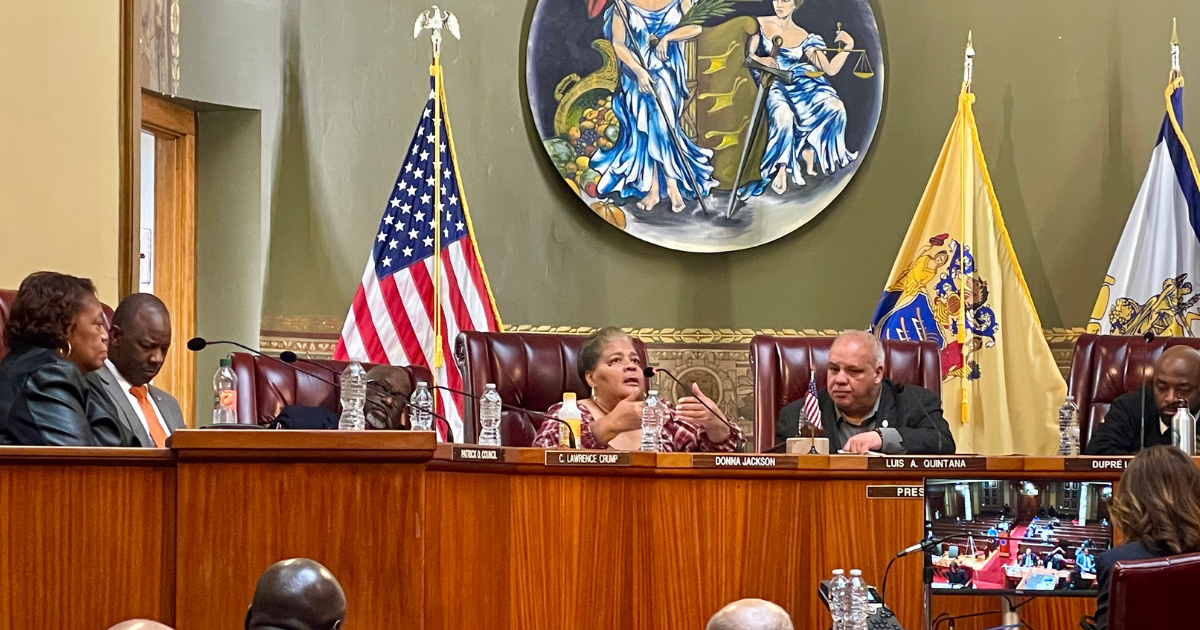
Newark Homeowners Face a $458 Property-tax Increase in 2026
Newark homeowners face a $458 property-tax increase in 2026 while the city operates without an adopted budget a...

Julia O’Malley: Anchorage Grocers Use Electronic Tags; One Chain Gets 35% Net Income From Data
Anchorage's three major grocery chains use electronic shelf tags for real-time pricing and data harvesting, with one company...
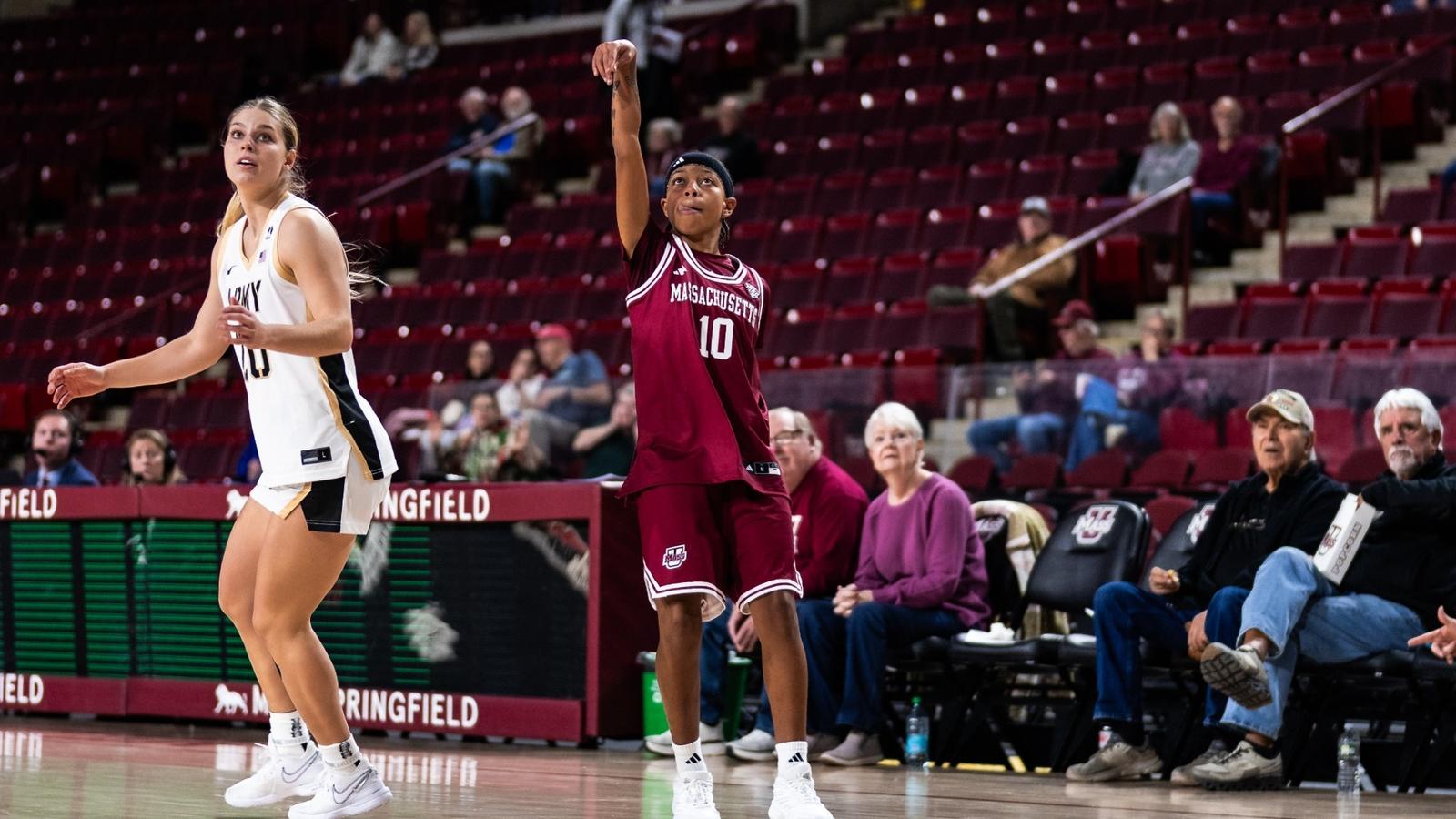
UMass Women’s Basketball at Boston College Friday for 20th Meeting
UMass women's basketball (3-2) heads to Chestnut Hill on Friday, November 20 for a 6 p.m. tipoff against...