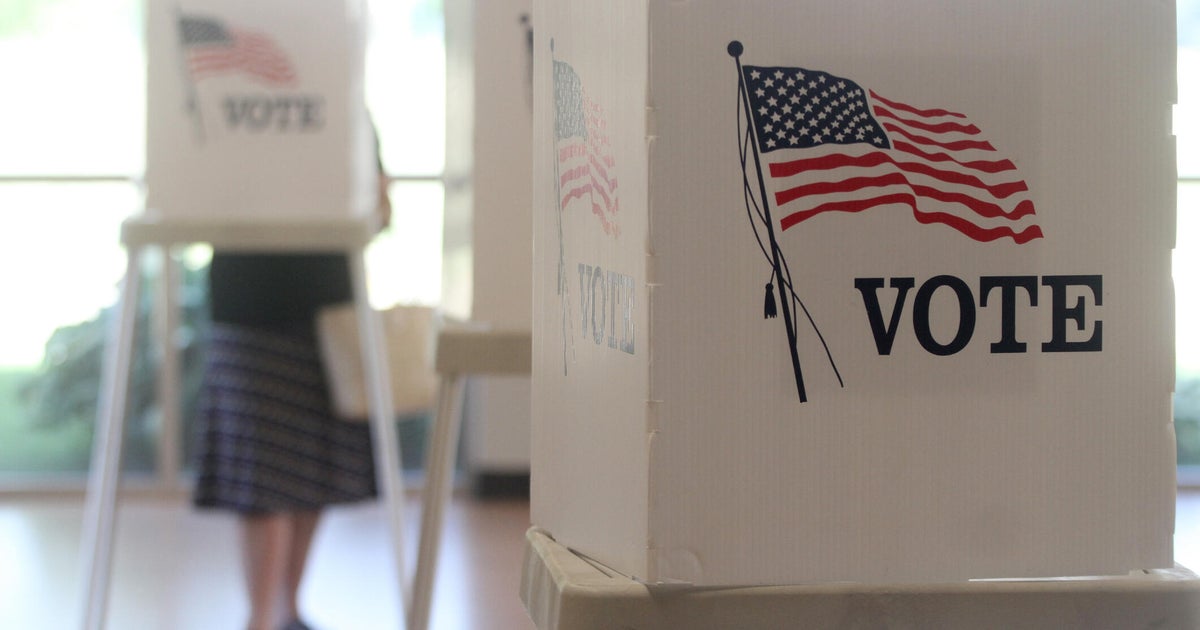
Most Maryland voters do not need to show identification to cast a ballot on Election Day. However, certain first-time voters who registered by mail without providing ID may be required to present identification, such as a driver’s license or a recent utility bill, before voting.
As Marylanders prepare for the 2026 General Election on Tuesday, November 3, the logistics of getting to the polls can often feel more complicated than the actual act of voting. While the state maintains a relatively streamlined process, specific rules regarding identification, electronic devices, and political expression are in place to ensure order and security at polling sites.
According to reporting from CBS News, the vast majority of registered voters in the state can simply check in with an election judge and proceed to vote. The requirement for ID is not a universal hurdle, but rather a targeted measure for specific demographics.
Identification requirements vary by voter status
The necessity of showing ID largely depends on how you registered. While most people can walk in and vote without documentation, USA Today reports that first-time voters who registered by mail and failed to provide identification during that registration process may be asked to show proof of identity.
MARYLAND Voter registration; – issues Maryland ID Card to illegals (no U. S. docs). Provides ID number they CAN use for Registration. – citizenship verification relies ONLY on checking a box; "Yes, I am a citizen". Honor System. MD Voting; – does NOT require photo ID – MD does…
If you fall into this category, you have several options to satisfy the requirement. The Maryland State Board of Elections accepts various forms of documentation. According to 92q.com, which cited information from The Washington Post, acceptable items include:
- A current and valid photo ID, such as a driver’s license, student ID, military ID, or U.S. passport.
- A copy of a current utility bill, bank statement, government check, or paycheck.
- Any other government document that clearly lists your name and current address.
Note that for non-photo documents like utility bills or bank statements, these must be dated within three months of the election to be considered valid. Additionally, anyone registering to vote or updating their residential address at the polls should be prepared to provide proof of their current residence.
Rules for cell phones and electronic devices
The use of technology inside a polling place is a nuanced issue. Generally, Maryland prohibits the use of cellphones, cameras, pagers, and computer equipment inside voting locations. This restriction is designed to maintain the integrity of the voting environment.
However, there are practical exceptions that allow for modern needs. USA Today notes that voters may use electronic devices for specific, limited purposes: using translation services, providing digital proof of residency or identification, reviewing election information, or even taking a personal photo of their marked ballot for their own records before casting it.
This balance between privacy and accessibility is critical. For voters with disabilities, Maryland provides accessible voting equipment and assistance, including the availability of translation devices to ensure language is not a barrier to the democratic process.
What you can and cannot wear to the polls
Political expression is permitted in Maryland, but it is strictly regulated by the proximity to the ballot box. Voters are allowed to wear clothing, buttons, or stickers that display political messages. However, there is a catch: voters wearing such political apparel must leave the polling location immediately after they have cast their ballots.
Furthermore, Maryland law prohibits firearms inside polling places and within the surrounding restricted electioneering zone. The only exception to this rule is for law enforcement officers. This measure aims to keep the atmosphere at polling sites focused on the civic task at hand rather than political confrontation.
On a more personal note, if you are bringing children under the age of 18 to accompany you, they are legally allowed in early voting centers and polling places, provided they do not disrupt or interfere with the voting procedures.
Preparing your ballot for accuracy
To minimize errors and stress at the polling site, voters are encouraged to arrive prepared. You are permitted to bring printed materials to assist your decision-making. This includes:
- Printed sample ballots.
- Voter guides.
- Personal handwritten notes.
Once you arrive, the process depends on your specific location’s equipment. Some sites use ballot-marking devices, while others provide paper ballots. If you receive a paper ballot, you will need to fill in the oval next to your chosen candidates. For locations equipped with scanners, you will then insert your completed ballot into the device. If any confusion arises, election judges are stationed at every site to provide guidance on the technical process.

In general elections, Maryland also allows for write-in candidates. While this is not permitted during primary elections, voters in the current general election can write in a candidate’s name, provided they follow the specific instructions and utilize the list of officially filed write-in candidates available at the polling location.
For those who have recently moved, there are still avenues to ensure your voice is heard. If you moved within the same county, you can generally update your address at an early voting center and cast a regular ballot. If you moved to a different county, you should verify your specific options through the official Maryland Voter Services website before heading out.
Polling locations will be open on Election Day, November 3, from 7 a.m. until 8 p.m. You must visit your specifically assigned polling place to cast your vote.
Worth a look

Hagens Berman Investigates Lincoln Educational Services Class Action
Lincoln Educational Services faces class action lawsuit over student enrollment metrics Lincoln Educational Services Corporation (NASDAQ: LINC) is...
Varonis Systems (VRNS) Beats Q3 2026 Earnings Expectations With Strong Revenue Growth
Varonis Systems surpasses Q3 revenue and profit estimates Varonis Systems (NASDAQ:VRNS) outpaced Wall Street's expectations for the third...

Mississippi U.S. Senate Race: Record Absentee Ballots and Final Campaign Push
Mississippi voters head to the polls in high-stakes Senate race With only hours remaining before polls close, Mississippi...

Bishop Boyea Argues for Praying for the Holy Souls via Mass
Bishop Earl Boyea Calls for Prayers for the Deceased During Month of the Holy Souls In a personal...