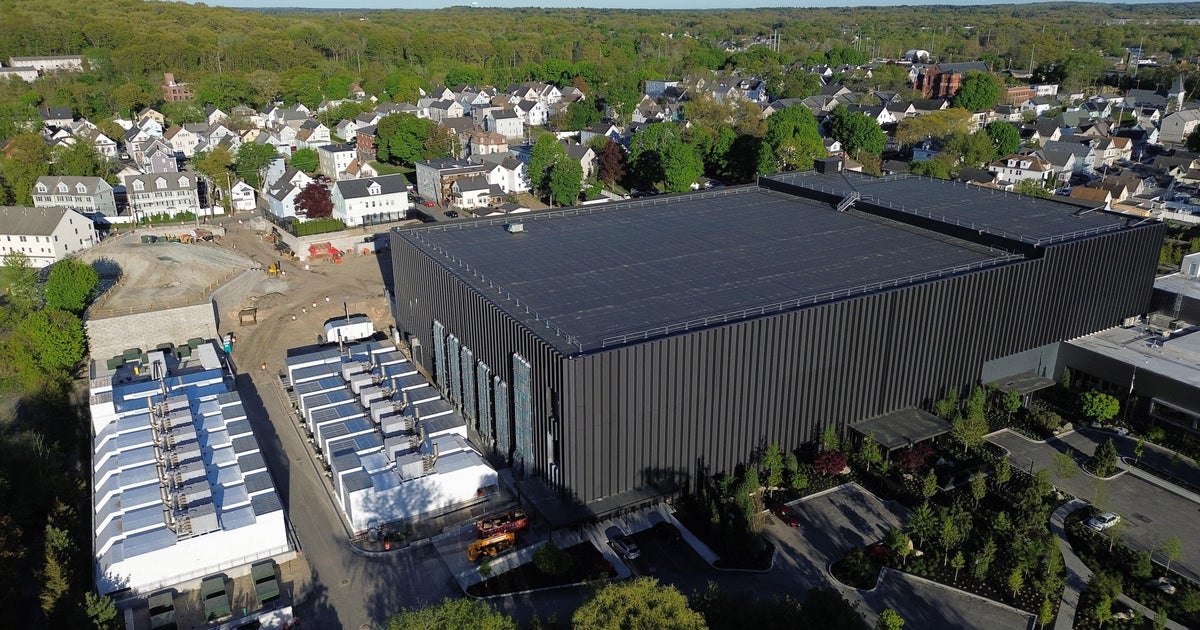
Ten massive buildings consuming 900 megawatts of power near Sutton have pushed Massachusetts toward a potential 2028 ballot fight over data center expansion.
A political group named The Committee to Restrict Data Centers is organizing a push to put strict limits on the facilities for the 2028 election, CBS News reported. The campaign needs to gather 80,000 signatures to qualify the initiative petition for a law on the statewide ballot.
The proposed ballot question would outpace an executive order signed by Gov. Maura Healey in September. That directive requires data center developers to strike agreements with local municipalities while either bringing their own power supply or covering the associated grid costs.
If the ballot measure succeeds, any new data center proposal would need approval from two-thirds of the voters in the host community. Developers would also have to submit detailed water usage plans and secure a power strategy guaranteed not to raise local electric rates.
“The completion and proposed construction of data centers around the state has caused local community groups to organize to either stop or delay new centers. Concerns over the cost of electricity, environmental uncertainty, water usage and turbines that run 24 hours a day, that sound like jet engines are just some of the complaints residents I have heard from all over the state.”
CBS News exit polls showed that 76% of respondents in the 2026 mid-terms would oppose a new data center opening in their community, driven largely by fears of environmental and resource impacts.
The push for ballot restrictions follows a specific proposal in Sutton. There, groups affiliated with New England Patriots owner Robert Kraft have floated plans for a large data center campus that promises major property tax relief for local residents alongside its massive energy footprint.
Industry groups backing the sector reject the idea that data centers drive up consumer electricity bills. They argue that the tax revenue and economic investment generated by these server farms can help ease broader affordability pressures across the region.
Keep reading
Patrick Newbold to Depart as Top CMS Tech Official – FedScoop
“Instead of leading with AI, we’re going back and we’re leading with outcomes,” Patrick Newbold said while speaking...

Forest Service and TNC Partner to Reduce Wildfire Risk in Idaho and Wyoming
Forest restoration projects launched in Idaho and Wyoming through a partnership involving The Nature Conservancy to mitigate wildfire...
Former Eastlawn Principal NOT Guilty on All Counts of Sexual Assault
Former Eastlawn Elementary School principal Daniel McInnis was found not guilty on all counts by a jury on...

At 43, Robert Strauss Continues Training to Be the ‘Dad Bod Destroyer’ – Muscle & Fitness
At forty-three, former professional wrestler Robert Strauss still maintains the physical conditioning that earned him his signature moniker,...