
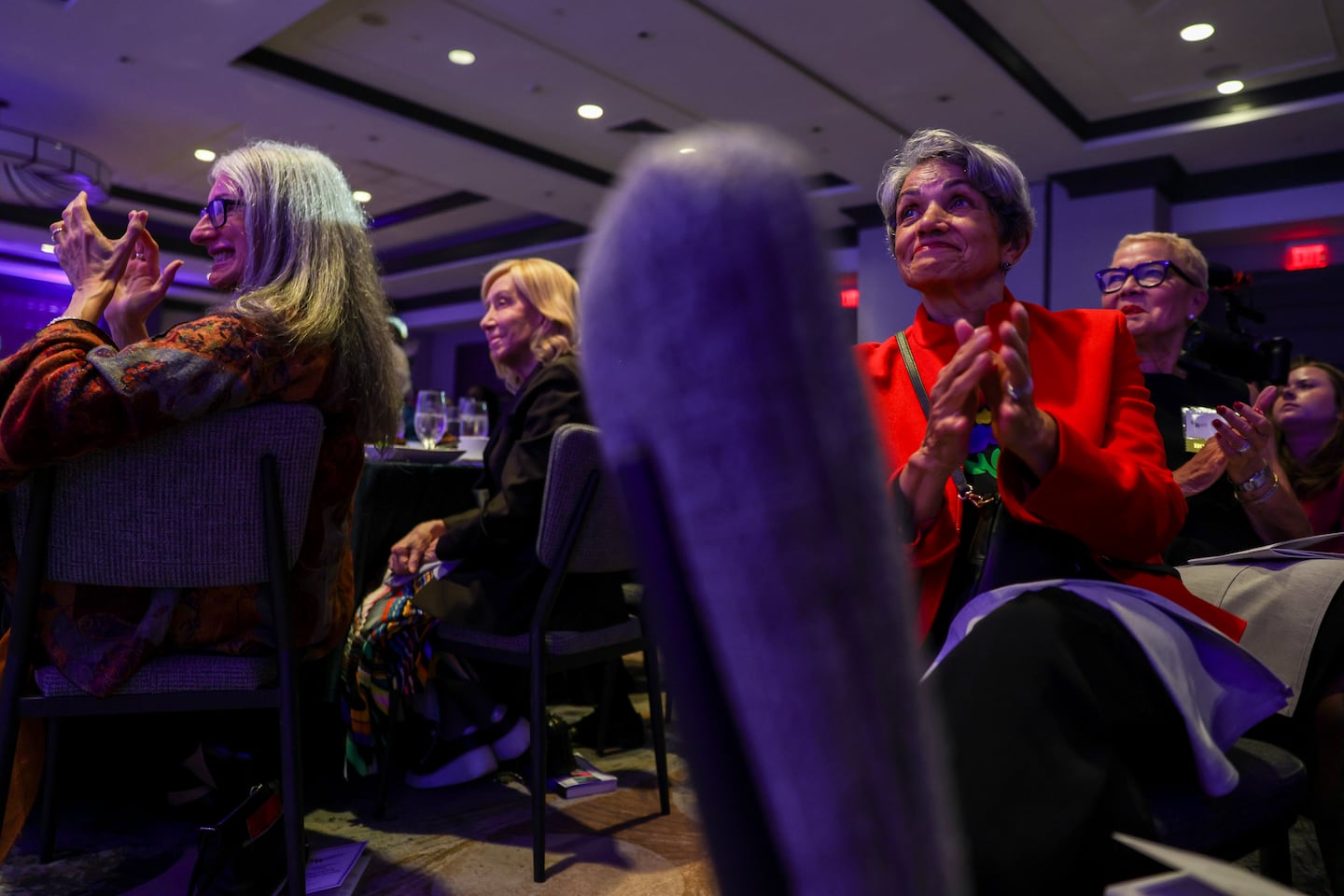
As the country nears the end of its 250th anniversary celebration, Massachusetts recognized its historical and contemporary leaders with an inaugural class inducted during a gala event.
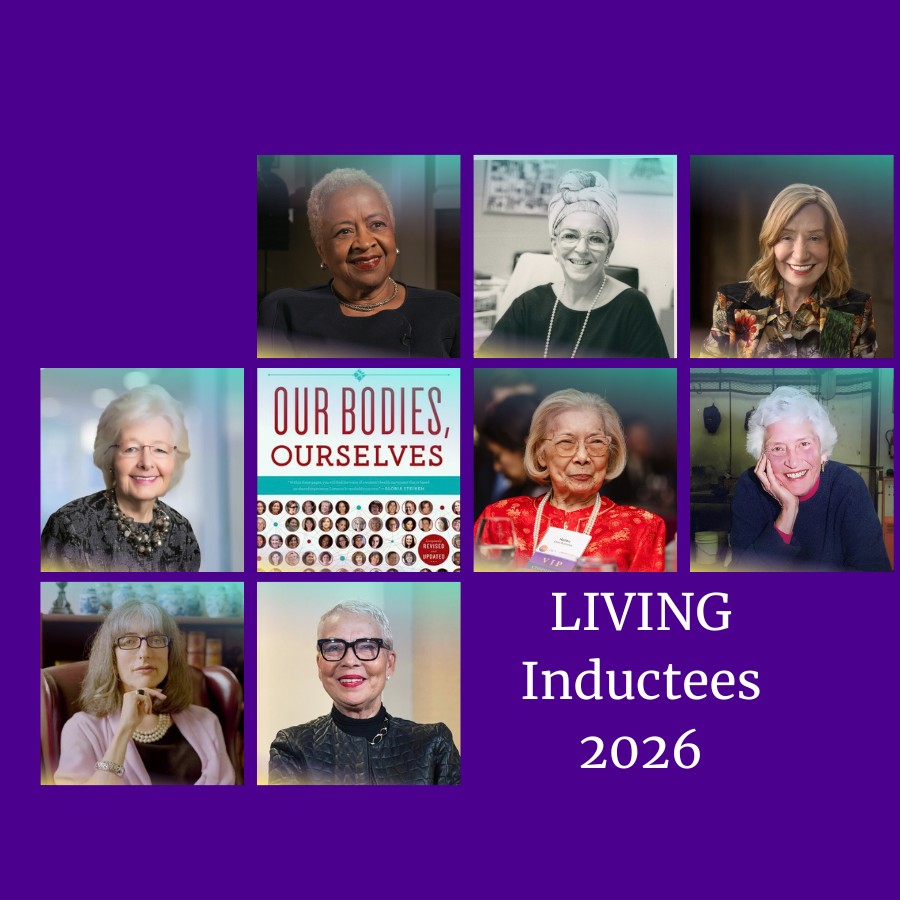
Eight women from history, eight living women, and four new movements were honored for “a lifetime of service,” for advancing the role of women in society. The initiative coincides with the 250th Anniversary of the American Revolution.
Historic Figures and Revolutionary Roots
The historic inductees include first lady Abigail Adams; Phillis Wheatley Peters, the first published African American poet; Elizabeth Freeman, the first enslaved woman to use the state constitution to sue for her freedom; Sarah Bradlee Fulton, the “mother” of the Boston Tea Party; Jenny Slew, the first enslaved woman to win her freedom through a jury trial; Lydia Taft, the first female voter; and poet and playwright Mercy Otis Warren.
Organized resistance and broader demographic groups also received recognition. The Daughters of Liberty patriotic resistance group joined the list alongside Native American women who protected and passed on customs and language, as well as the thousands of women and girls who were enslaved in Massachusetts.
“We need to learn about them and amplify them,” said Kay regarding the importance of remembering these contributions. “These are stories that we need to tell. We have so many more to tell.”
Governor Maura Healey Awards Hall of Fame Plaques
Governor Maura Healey awarded the women with Hall of Fame plaques during the ceremony. The plaques are small-scale recreations of a Hall of Fame memorial that will be installed at the State House.
“What a great evening at a particularly great time. It’s really special to be able to serve with so many women,” Healey said, gesturing to Mayor Michelle Wu and Attorney General Andrea Joy Campbell on the stage.
Margaret Burnham, the first Black woman to serve in the state judiciary and now a distinguished professor of law at Northeastern University, crossed the stage first to accept her award.
“Boston and Massachusetts have been wonderful places for women to thrive and lead,” Burnham said in an interview after the ceremony. “I look forward to the day gender identity won’t define us the way it continues to do today.”
Other living inductees honored at the event include longtime community activist in the South End and Roxbury Frieda Garcia and public servant Helen Chin Schlichte, who has championed Boston’s Asian American community for more than 50 years.
Margaret Marshall, the first woman to serve as Chief Justice of the state Supreme Judicial Court, who wrote the landmark decision that legalized same-sex marriage in Massachusetts, was also honored alongside Nancy Schön, a sculptor best known for her iconic art in the Boston Public Garden, “Make Way for Ducklings.”
Doris Kearns Goodwin Reflects on the Honorees
Pulitzer Prize-winning historian Doris Kearns Goodwin reflected on the collective recognition during the gala.
“To think of the people they’re honoring … and to think we’re part of that — it’s electric,” said Goodwin in an interview.
Additional honorees included civic leader and one of the first women to attend Harvard Business School Benaree Wiley, alongside LGBTQ+ activist Grace Sterling Stowell, the longest-serving transgender executive director in the nation and executive director of the Boston Alliance of LGBTQ+ Youth.
The women’s health organization Our Bodies Ourselves, born in Boston in the 1960s, was also honored for its ongoing commitment to preserving women’s health and reproductive rights.
“They had this shared vision and they were sick of being patronized by male doctors,” said Amy Agigian, executive director of the Center for Women’s Health & Human Rights at Suffolk University. “To be in such profoundly wonderful company, it’s an honor to share the stage with them.”
Keep reading

Pet Custody in New Mexico Divorce: How Property Laws Affect Your Animals
For many couples going through a split, the hardest question in a divorce is not who keeps the...

Tower Hill Beats Newark Charter 3-1 in DIAA Girls Volleyball
Tower Hill secured a spot in the next round of the DIAA Girls Volleyball Tournament on Monday, overcoming...

Concord University Men’s Soccer Qualifies for NCAA Division 2 Tournament
Concord University Men’s Soccer has officially secured a spot in the NCAA Division 2 Tournament for only the...

Former CFO Jon Paul Calls Claims for Nonprofit Funds Outrageous
A divorced couple accused of embezzling funds from a struggling Nevada nonprofit now claims that the organization owes...