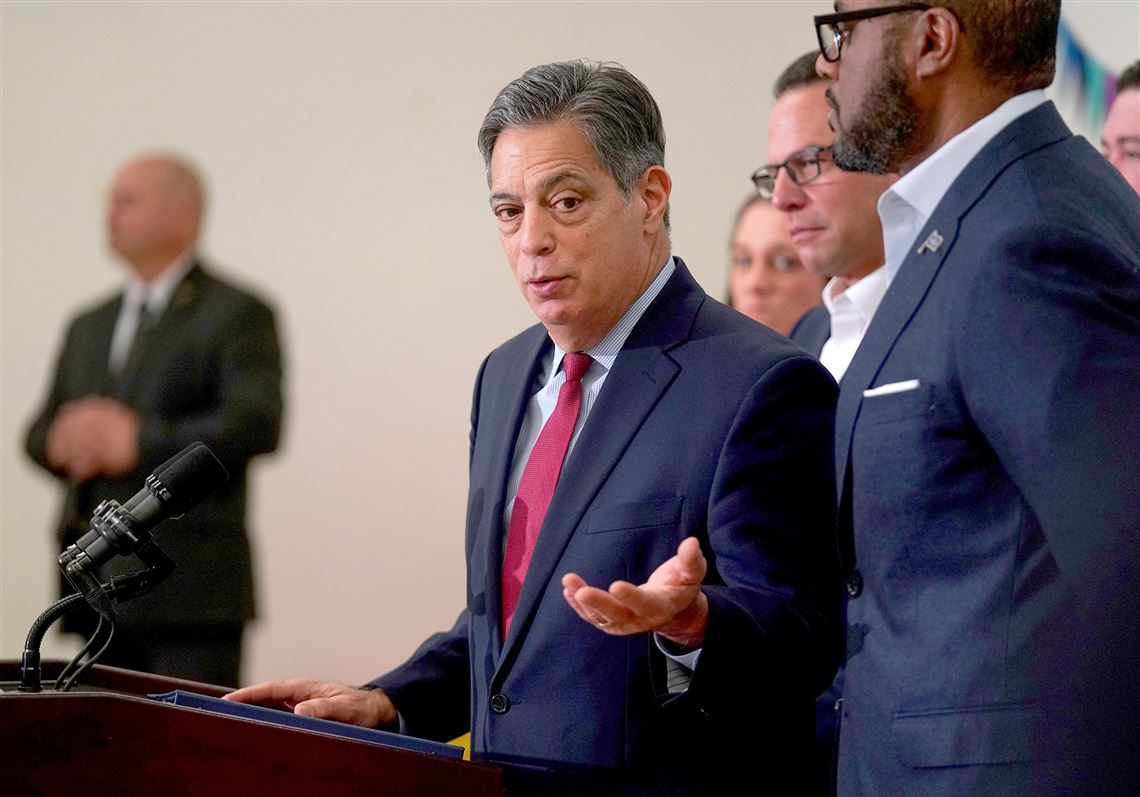
Matt Schultz argues that a transit enthusiast’s attempt to advocate for regional rail improvements may have backfired due to its overly positive tone, according to a column for Crossing Broad.
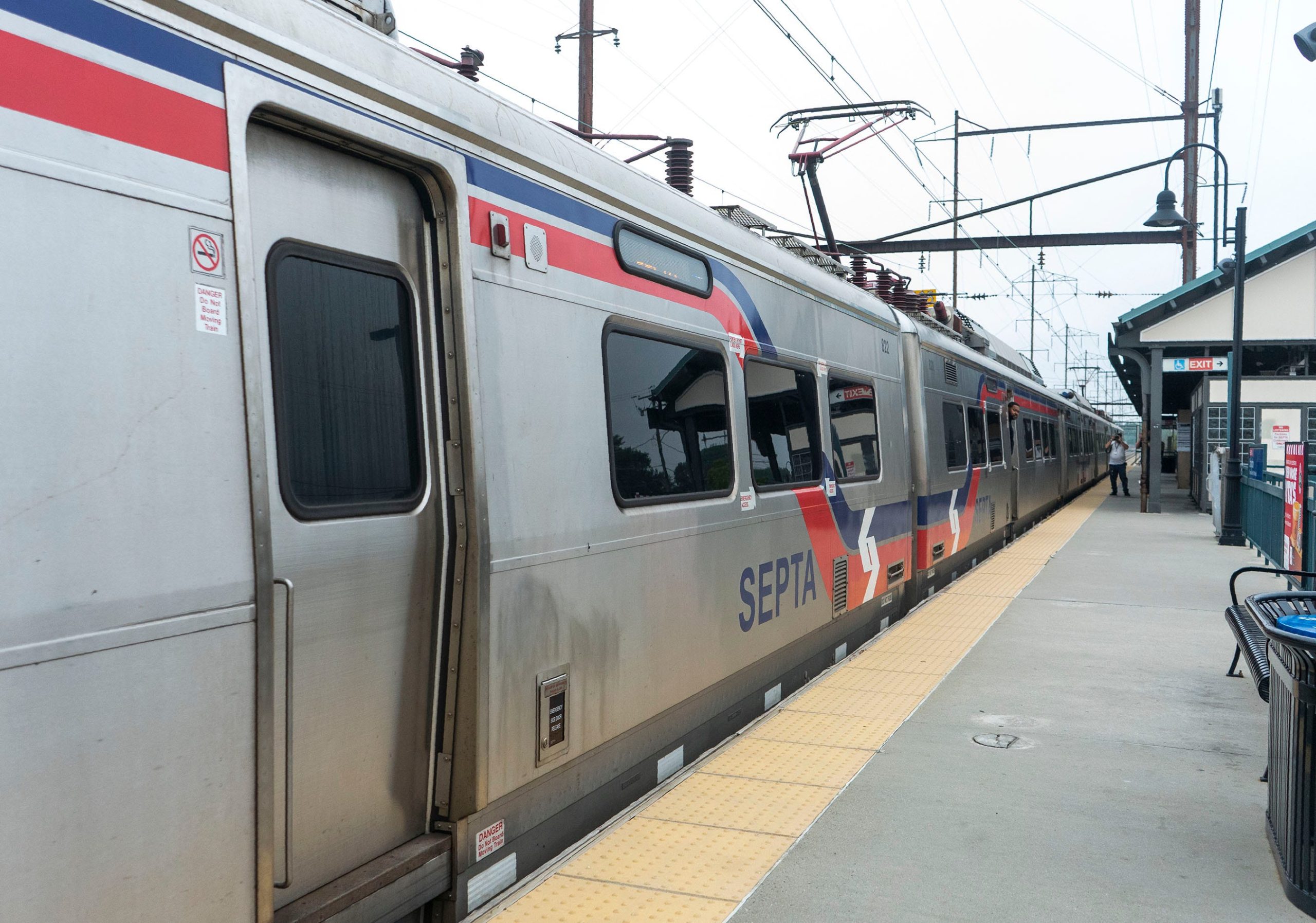
Rich Temple, a self-described public transit nerd, recently completed a challenge to ride every Regional Rail line in just two days. His stated goal was to raise awareness for SEPTA’s “Accelerate” plan, a proposal outlining necessary infrastructure and service improvements that require additional funding.
Rich Temple spent two days riding every SEPTA Regional Rail line with the hopes of raising awareness and fueling future funding. This is his story: https://t.co/vVGBfR0tZO pic.twitter.com/eHU8RAYRQb
While the mission was intended to highlight the need for more resources, Schultz suggests the execution missed the mark. By focusing on how smooth and enjoyable the experience was, the campaign may have inadvertently undermined the argument for increased investment.
“If Rich’s goal was to raise awareness of SEPTA’s funding issues and inspire people to help out, then he probably shouldn’t have talked so much about how smooth, fun, and basically perfect his two-day trip went,” Schultz wrote in the Crossing Broad piece.
The tension in Temple’s mission lies in the contrast between his personal enjoyment and the systemic issues SEPTA faces. The “Accelerate” plan is designed to address a wide range of service gaps, yet Temple’s video content focused on the effectiveness of the current system and the quality of the employees.
Schultz said that a more effective sales pitch for the funding proposal might have highlighted the daily frustrations of commuters. He suggested that instead of gushing about the system, the content could have addressed common grievances to illustrate why more money is needed.
Philly man completes two-day mission to ride every SEPTA Regional Rail line — 6abc Philadelphia
“I thought for sure he was going to say stuff like, ‘I waited for two hours in the cold at the Doylestown stop before a train finally came,’ and, ‘The digital board that was supposed to say an ETA for the Trevose R3 train just had a series of upside question marks and yawning emojis,’” Schultz told Crossing Broad.
The columnist even offered a more hyperbolic alternative to demonstrate the necessity of funding, jokingly suggesting that a narrative involving chaotic interactions or service failures would have better served the cause of securing more transit dollars.
Despite the critique of the messaging strategy, Schultz clarified that he was glad Temple had a successful and happy trip. However, he maintained that showing how well the system currently functions might not be the most persuasive way to convince the public or policymakers that it requires more funding.
The “Accelerate” plan remains a central part of the conversation regarding the future of Philadelphia’s transit infrastructure. Advocates struggle to balance celebrating current successes with proving the system needs intervention.
Train enthusiast riding entire SEPTA Regional Rail network to spotlight funding — NBC10 Philadelphia