
The Maui Police Commission voted 6-1 on Wednesday to keep Chief John Pelletier on paid administrative leave, rejecting his attorney’s demand for reinstatement and widening the scope of an inquiry that now includes the chief’s own public accusations against the mayor.
The decision extends a standoff that began October 7, when the commission unanimously sidelined Pelletier amid a federal bribery case against his Criminal Intelligence Unit commander, Lt. Michael Vaituulala. Vaituulala was arrested in August on charges of protecting drug traffickers, chicken-fight organizers and importers of illegal fireworks. The unit reported directly to Pelletier.
Attorney Eric Seitz gave the commission an ultimatum Wednesday: reinstate the chief or face a lawsuit. “You have every right to investigate the chief as part of your oversight for any and everything you think is appropriate,” Seitz told commissioners.
“But you can’t suspend him before you at least give him a hearing.” Seitz argued the Maui County Charter required a hearing before placement on leave, a procedural point the commission majority dismissed.
“There is an outright lie that the mayor influenced our decision,”
Pelletier fueled the political fire at an October 9 press conference on O’ahu, claiming his removal was retaliation for two criminal investigations targeting Mayor Richard Bissen — one stemming from a whistleblower lawsuit by former chief of staff Leo Caires, the other involving an unspecified felony for which Bissen was allegedly a suspect.
Pelletier offered no evidence for the latter claim. Seitz walked back the specifics Wednesday, telling reporters he knew of a federal or state probe but not its scope or targets.

Mayor Bissen’s office denied any role in the commission’s action. “Any allegation that Mayor Bissen influenced or played any role in the decision to place Chief Pelletier on administrative leave is unequivocally false,” said Laksmi Abraham, director of communications and government affairs. Prosecuting Attorney Andrew Martin also denied the mayor was under investigation.
The commission voted 7-0 to launch a second, independent investigation — this one focused on Pelletier’s conduct since October 7. The scope includes his Oct. 9 press conference statements, allegations he stopped attending cabinet meetings and briefing the mayor, removed the mayor’s name from MPD letterhead, and worked a schedule without commission awareness or approval.
Attorney KeAupuni Akina of Littler Mendelson will lead the first investigation, expected to last six months at a cost of roughly $50,000.
Former Mayor Alan Arakawa backed the commission’s structural independence. “The hiring and firing of the police chief is with the commission. The mayor has absolutely no say in it,” Arakawa said. “Any allegation that the mayor may be interfering with this or skewing the conclusion to that, in my opinion, has to be completely and utterly wasted time.”

Public testimony ran roughly four hours Wednesday, splitting between residents demanding Pelletier’s return and retirees including former Deputy Chief Kekuhaupio “Keku” Akana, who called the chief’s leadership “rogue with disrespect, with defiance towards his own commission, resistance, and in my opinion, insubordination.”
Commission Chair Frank Tam cited Pelletier’s absence from an August 19 meeting after Vaituulala’s arrest as evidence of “lack of transparency, lack of communication, poor leadership, lack of concern for the seriousness of the allegations, and lack of accountability.” Tam said the commission believed the chief’s presence would be “detrimental to the conduct of the independent investigation.”
Pelletier, a third-generation officer born in Buffalo, N.Y., spent 22 years with the Las Vegas Metropolitan Police Department before arriving on Maui. The commission unanimously selected him in October 2021 from five finalists; he was the only candidate from outside the department.
Seitz said a lawsuit could be filed as early as next week. “The mayor’s a bully and he doesn’t like people to cross him or oppose him, and I experienced that firsthand when he was a prosecutor and then the prosecutor,” Seitz said.
Related reading
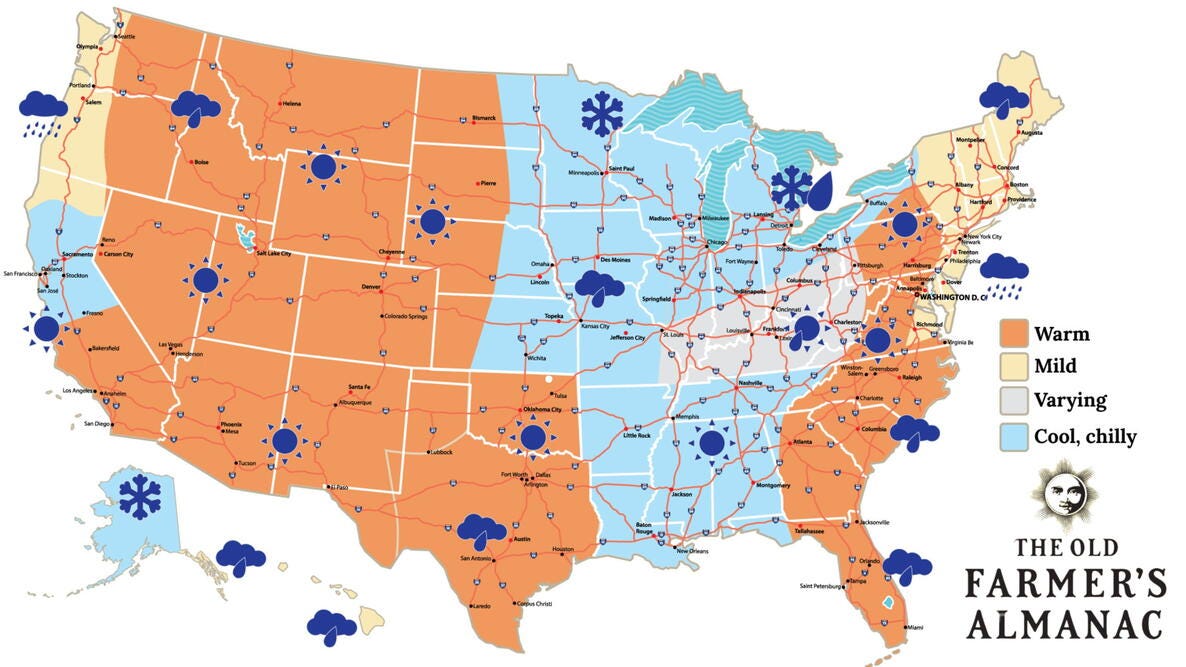
Thanksgiving Forecast: Mississippi to Stay Dry, Sunny as Tropical Storm Kyle Tracks East Coast
Thanksgiving week arrives with a late-season tropical system spinning off the Southeast coast, but forecasters say Mississippi will...
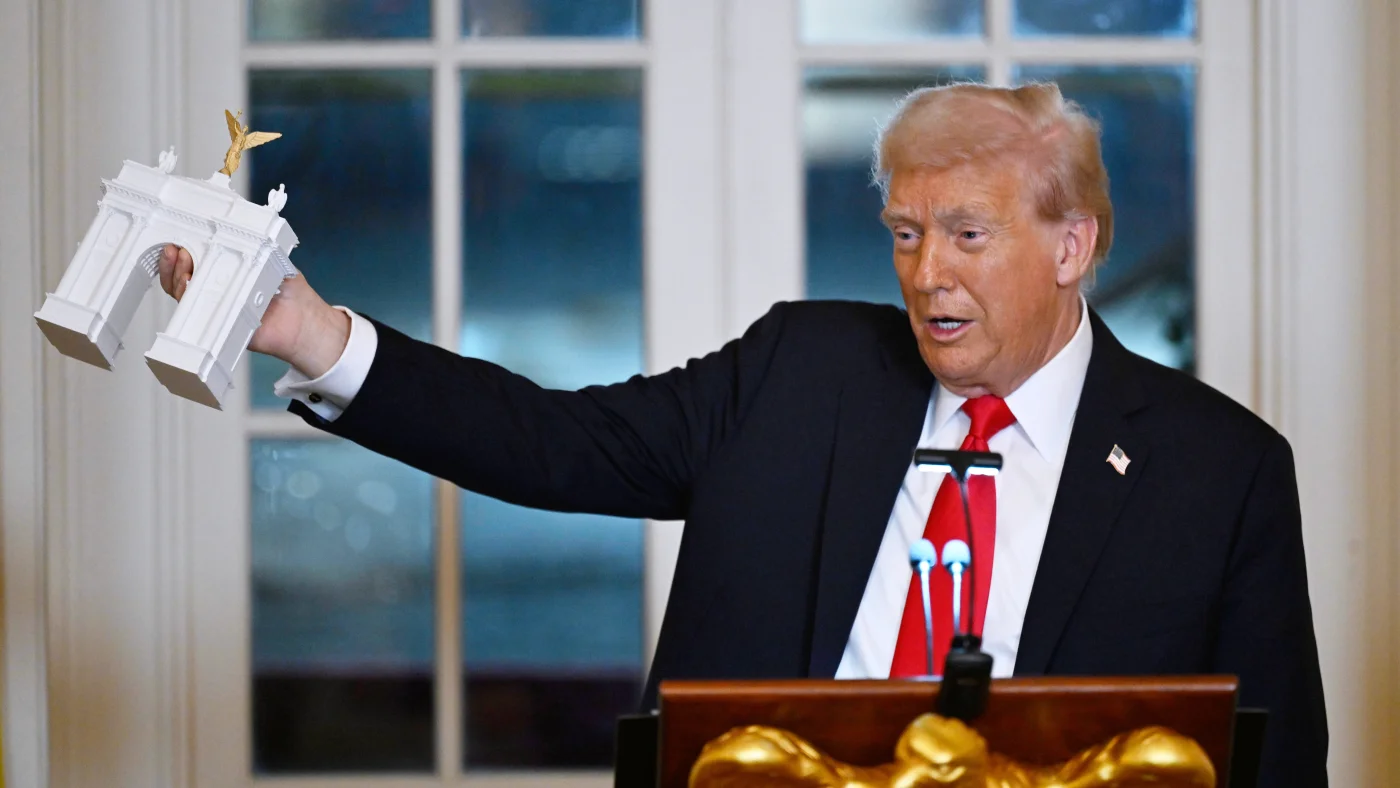
Second Federal Judge Blocks Trump’s Proposed Arch, Says Government Unlikely to Prevail
Friday brought a second federal judge to block President Trump’s proposed triumphal arch, with a Virginia jurist ruling...

UIC Library Hosts Book Talk on “Black Designers in Chicago” With Co-Editor Christopher Dingwall
"Black designers shaped the history of modern design, and their designs in turn influenced modern Black life," the...
Kala Flannigan Died Saving Her Family From a Fire Investigators Say Her Brother Set
Kala Flannigan died saving her family from a fire investigators say her brother set, a loss that marks...