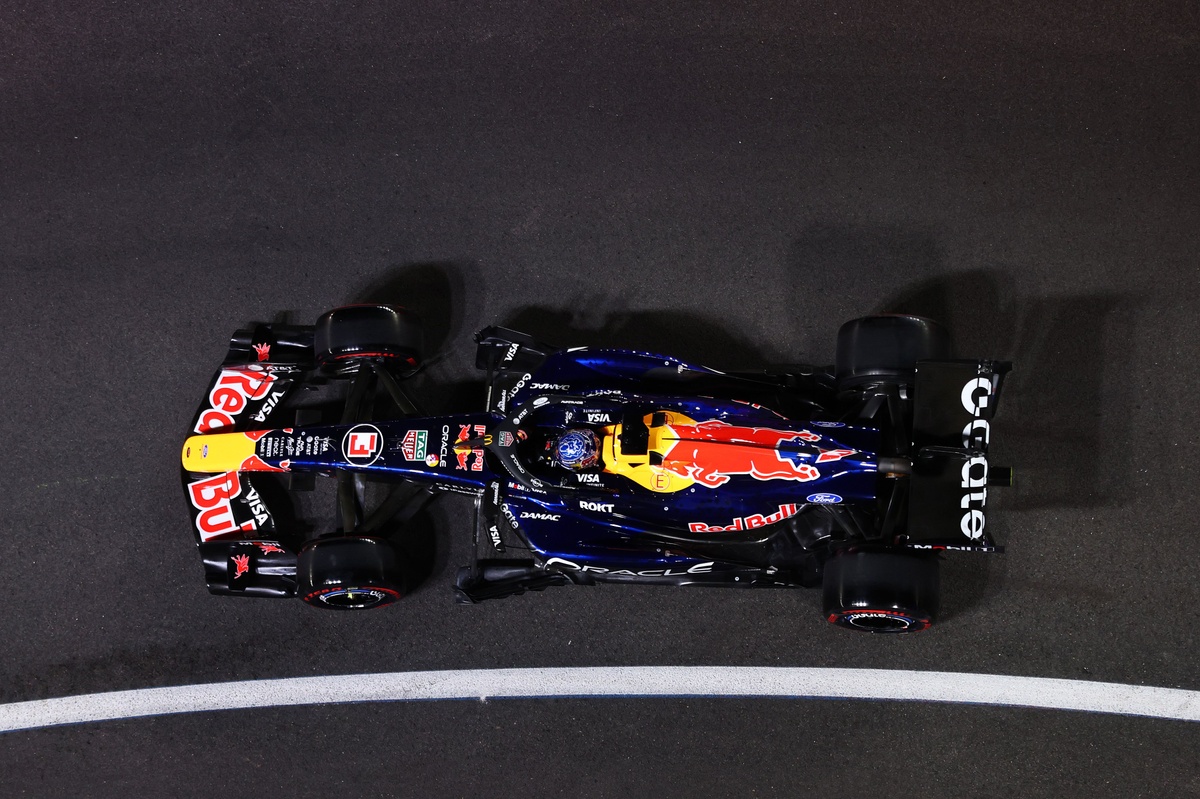
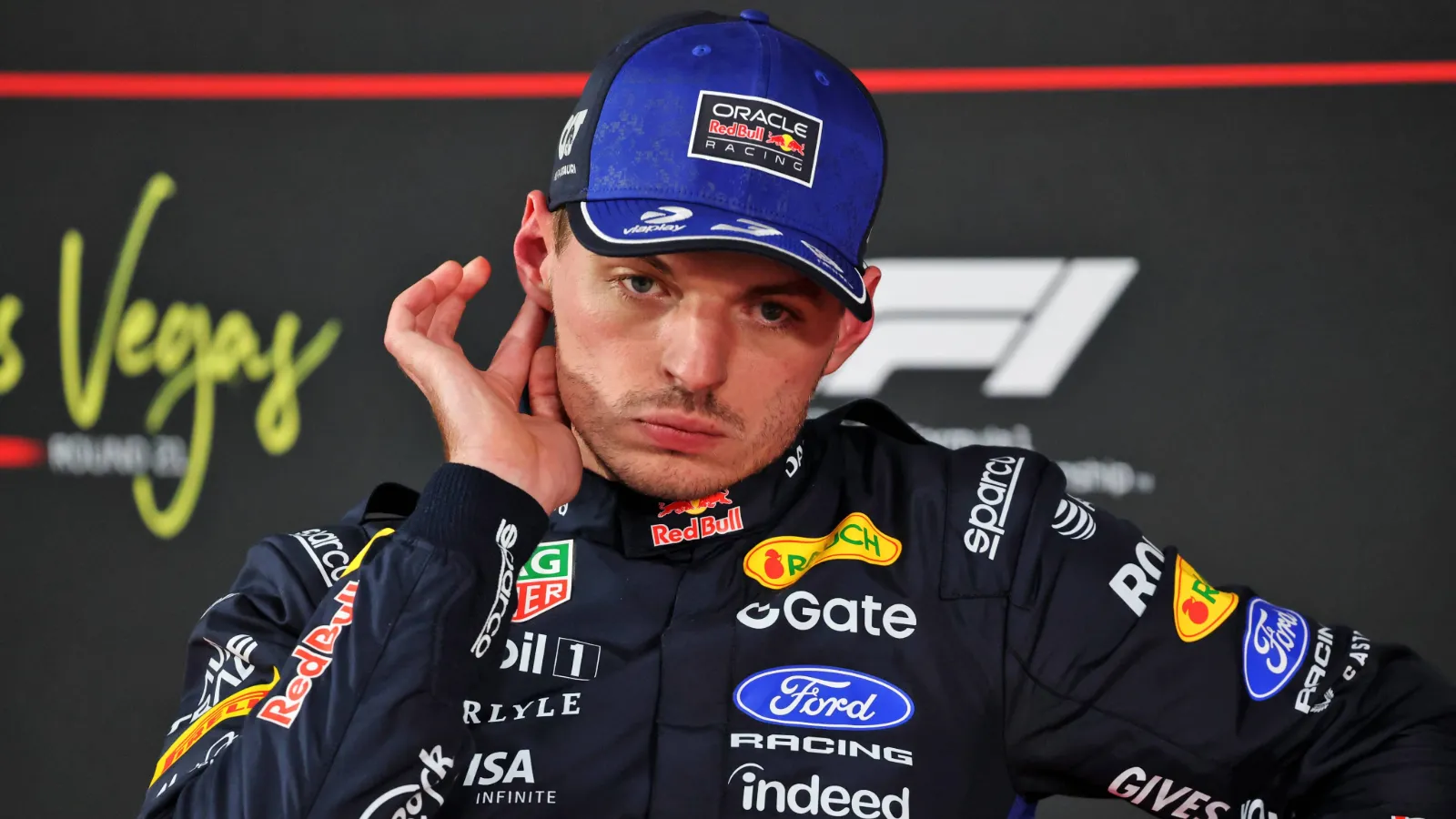
Max Verstappen faces an unfixable car issue at the Las Vegas Grand Prix in November 2026.
The pole position, secured by Kimi Antonelli’s grid penalty, doesn’t erase the nagging feeling behind the wheel for the four-time champion. Red Bull Racing knows the source of the problem but, as Verstappen stated, they can’t fix it right now.
This isn’t just a minor setup tweak; it’s a fundamental feeling through the steering wheel, a persistent problem dating back to the Brazilian weekend, not just this Las Vegas event.
Steering Tells a Different Story
Verstappen confirmed the issue isn’t a simple balance problem, a distinction he made from the car degradation complaints he reported at circuits like Monza.
He told Motorsport.com, “It’s not a balance problem, I can tell you that. There’s simply something wrong with the car, but we can’t fix it right now.”
This persistent discomfort, which he felt throughout the entire Brazilian weekend, continued into the Nevada race weekend, according to grandprix.com.

Adapting With an Ailing RB22
The driver admitted the Baku upgrade gave him more confidence for aggressive cornering, yet the mysterious issue made that harder, MotorsportWeek.com reported.
“The problem is simply there everywhere,” Verstappen said, conveying that the challenge wasn’t corner type.
He clarified this wasn’t just a sudden appearance in Brazil, though it manifested then; he had problems throughout that entire weekend, he told Motorsport.com.
The team had even swapped out the RBPT-Ford power unit in the back of Verstappen’s car after practice in Sao Paulo, an adjustment noted by MotorsportWeek.com.
“It’s something completely different from car degradation, but the feeling is simply not how I want it to be.”
Verstappen said, detailing the qualitative difference from previous performance issues.
Crash.net said that despite the ailing RB22, the four-time world champion still managed to post the second-fastest lap during qualifying.
Team Dynamics Show Isolation
Importantly, Verstappen made clear his teammate Isack Hadjar wasn’t experiencing this same problem, he confirmed.
“No, apparently it’s only on my side,” he said.
This isolation of the issue suggests a driver-specific interaction with the vehicle’s dynamics, rather than a universal component failure across the team.
The Devil’s Advocate perspective suggests that while the team knows the source, the inability to solve it before the race forces a performance compromise that affects race-long consistency, something grandprix.com noted about the pole position not solving race management.
The primary stake here isn’t just a race win; it’s the meticulous engineering and performance assurance required for top-tier motorsport, where subtle handling changes dictate competitive advantage across multiple stints.
Battle of Nashville Trust Reports Philip Duer Marked Sesquicentennial Opening
Philip Duer marked the opening of the battle's sesquicentennial year with a reflective essay published by the organization,...

Six Former Iowa State Women’s Basketball Players Demand Trauma-Informed Program Review
Six former Iowa State women's basketball players sent a letter Friday to university President David Cook and Athletic...

No. 7 UCLA Prepares to Host Delaware This Sunday at Pauley Pavilion
No. 7 UCLA prepares to host Delaware this Sunday at Pauley Pavilion, looking to stabilize its momentum after...
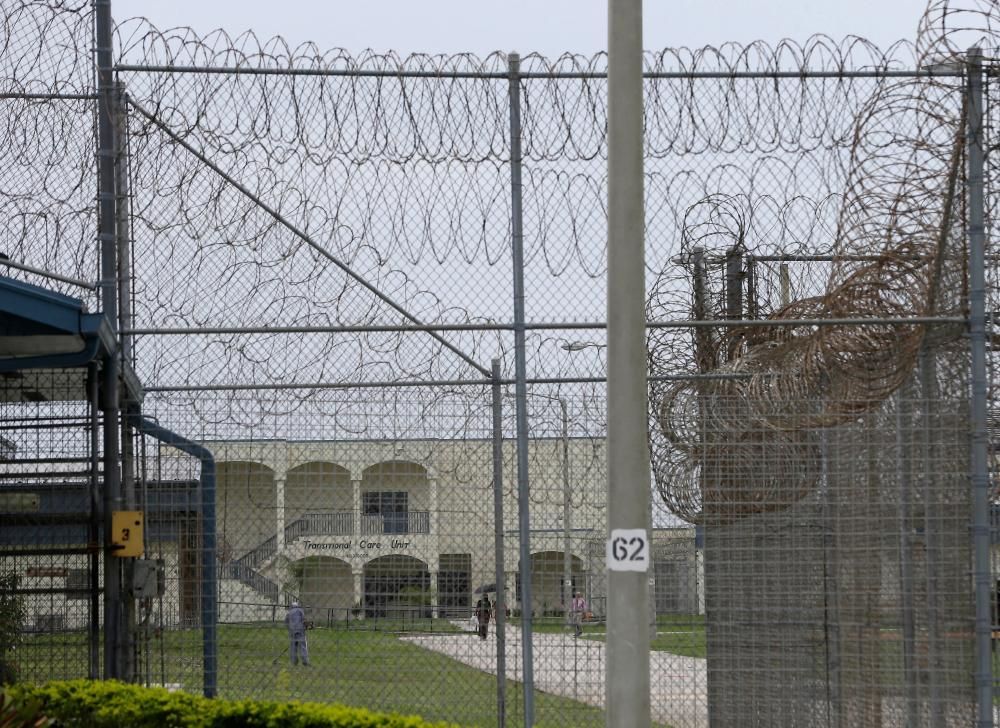
Florida Prisoners Testify on 119F Heat in Dade Correctional Institute
Dwayne Wilson testified that a reading in the H dorm dayroom reached 119F on a July day last...