
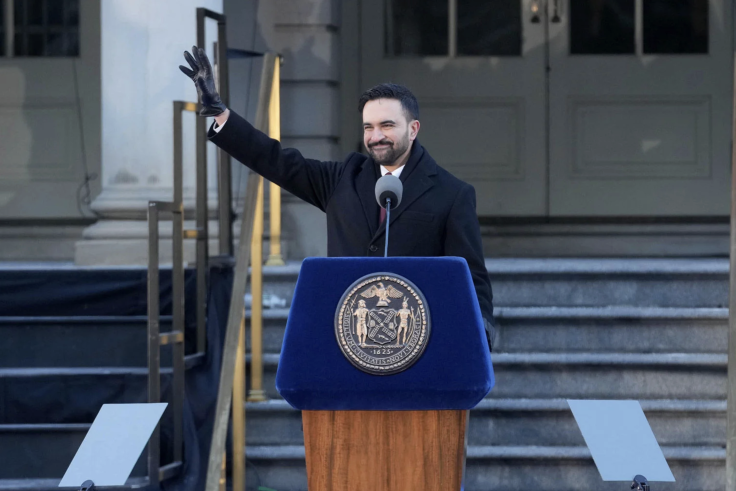
New York City is betting $2 million that its best ideas come from a collision between city hall and the ivory tower. Mayor Zohran Kwame Mamdani today announced the launch of the Pilot City program, a novel initiative that pairs up over 40 city agencies with STEM researchers from local universities to tackle some of the Big Apple’s most stubborn public problems, nyc.gov reported.
Think of it as a science fair for civic solutions. The program, a brainchild of Renaissance Philanthropy, funded by a consortium of local foundations, is built on a simple but powerful premise: the people who know a problem best—city workers—and the people best equipped to analyze it—academic researchers—should work together. In May, this concept was put to the test at a “Pitchfest” event where more than 100 city employees presented challenges to over 250 university experts. The result? 90 potential partnerships were formed, and now, more than 40 of those teams are splitting $2 million in seed funding to turn ideas into reality.
How It Works: From Tenant Data to Bus Lanes
The Pilot City program isn’t just theoretical; it’s already tackling specific, high-impact issues with tangible projects across five boroughs. These are not abstract research papers; they are applied science projects designed to change how city services are delivered and experienced.
Consider the challenge of tenant displacement. The Mayor’s Public Engagement Unit is partnering with the City University of New York to dive into a mountain of city data—from the Tenant Helpline, Housing Court filings, and 311 complaints—to pinpoint patterns of building distress and displacement. The goal is to use data to predict where tenants might be at risk and proactively deploy outreach and protections.
Other projects focus on improving daily commutes and making the city more accessible. The Department of Transportation (DOT) is teaming up with New York University to measure the real-world socioeconomic impact of bus priority projects, aiming to understand if these lanes truly benefit the communities they serve. For New Yorkers with vision disabilities, the DOT is collaborating with Columbia University to explore new wayfinding technologies, making travel through the city's complex streets safer and more intuitive.
Even the process of getting a city job is getting a high-tech makeover. The Department of Citywide Administrative Services (DCAS) is joining forces with Pratt Institute and Vanderbilt University to build a centralized digital hub designed to demystify the city’s often-civil service hiring system. The hope is to open doors to public service for a more diverse range of New Yorkers.
A New Model for Problem-Solving
This collaborative approach is drawing praise from city leaders and philanthropic partners alike. Chief Technology Officer Lisa Gelobter called it a model for how government can use innovation, while DCAS Commissioner Yume Kitasei emphasized its potential to expand access to public service careers.
“A career in city government should be within reach for every New Yorker who wants to serve,” said DCAS Commissioner Yume Kitasei. “I am excited for our teams to partner with the Pratt Institute and Vanderbilt University and collaboratively build a centralized digital hub to make the city hiring process easier to navigate.”

Not everyone will see this as an unqualified success. A skeptical observer might ask whether these research-heavy partnerships will produce results faster than more direct, top-down policy interventions. The $2 million investment, while significant, is a small fraction of the city’s overall budget, raising questions about scalability. Some may argue that relying on academic analysis could slow down a government that is often criticized for its bureaucracy, potentially creating another layer of study before action is taken.
Yet the program’s supporters point to its ability to break down silos.
“New York’s universities are home to some of the world’s top STEM talent—you can find researchers who specialize in topics ranging from watershed management to the efficacy of cash assistance,” said Cara Eckholm, Director of Pilot City. “Through a simple format that resembles speed dating, the Pitchfest aims to make it easier for agencies to harness this wealth of latent expertise present in our incredibly diverse City.”
The initiative has also attracted significant philanthropic muscle, with funding from the Alfred P. Sloan Foundation, Robin Hood, The Charles H. Revson Foundation, and The Tow Foundation.
From Construction Delays to Community Resilience
The Pilot City’s reach extends far into the city’s infrastructure and social fabric. The Department of Design and Construction (DDC) is tackling a universal New York frustration: construction delays. In a partnership with Vanderbilt University, DDC is applying machine learning to its subcontractor review process, aiming to cut the time for approvals from a grueling 60-90 days to under two weeks.
On the social front, the Mayor’s Office of Community Mental Health is developing a “NYC Community Resilience Index” with Cornell University. This project aims to understand the neighborhood conditions and social connections that foster mental well-being, guiding investments in community-based prevention and support.
Even the city’s housing authority is getting involved. The New York City Housing Authority (NYCHA) has two projects with Columbia University, one exploring battery storage for public housing and another advancing community-based mental health initiatives.
For civic leaders outside of New York City, the Pilot City model represents a potential blueprint for municipal innovation. It suggests that a city’s greatest assets aren’t just its financial capital or its infrastructure, but the combined brainpower of its public institutions and its world-class universities. The program’s ultimate success, however, will be measured not in press releases or initial funding, but in whether it can deliver on its promise: to make city services smarter, more responsive, and ultimately, better for every resident.
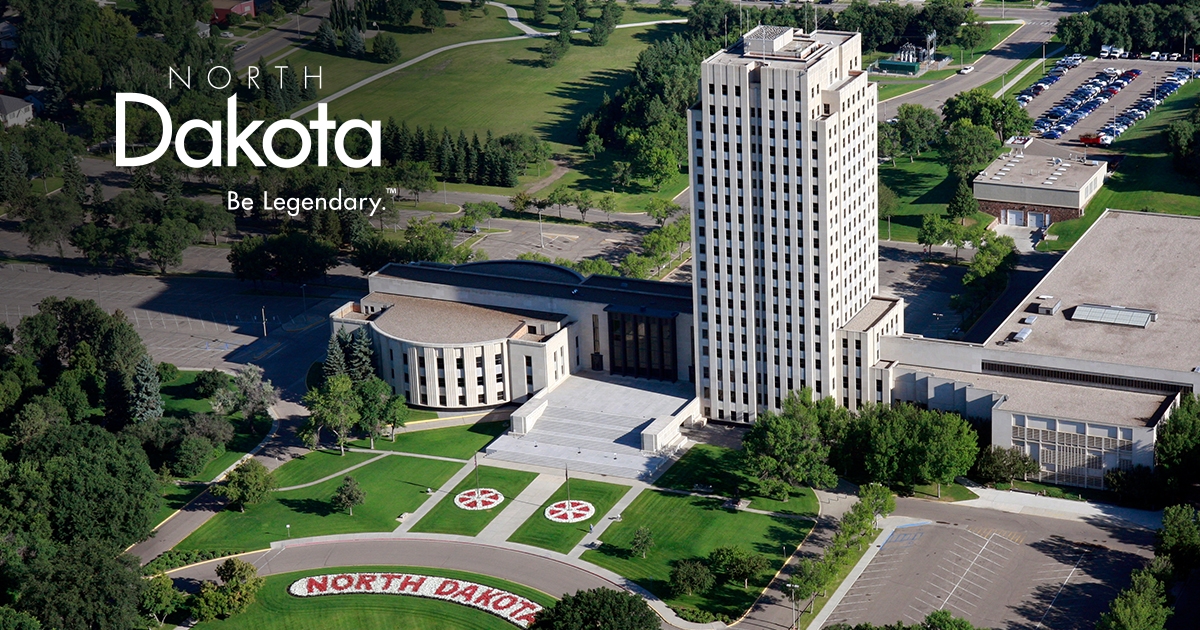
Gov. Armstrong and RFK Jr. Discuss Regenerative Agriculture and Soil Health in North Dakota
Governor Kelly Armstrong met with U.S. Secretary of Health and Human Services Robert F. Kennedy Jr. at Black...
Midwest City Achieves Official Oklahoma Film Friendly Certification
Midwest City, Oklahoma, has officially become the 46th community to receive Oklahoma Film Friendly Certification from the Oklahoma...

Rusty Shane Sturgill Charged After Dog Attack and Assault in Portland
Rusty Shane Sturgill faces felony charges following North Portland assault and dog attack A man with a long...

DeWine opposes efforts to change governor’s powers
Ohio Gov. Mike DeWine has begun talks with Governor-elect Amy Acton about her administration and indicated he does...