
Boston Proposes Zoning Overhauls to Accelerate Restaurant Openings
Opening a full-service restaurant in neighborhoods like Mattapan has long required overcoming a labyrinth of regulatory hurdles that stretch far beyond mastering a kitchen. On Tuesday, Boston Mayor Michelle Wu announced a sweeping package of zoning reforms designed to cut through municipal red tape, eliminate duplicate administrative steps, and slash the time required to secure essential operating permits from several months down to just a few weeks, as reported by cbsnews.com.
The proposed policy changes aim to dismantle outdated municipal definitions and remove unnecessary barriers that stall aspiring restaurateurs. Under current city codes, simple operational adjustments—such as transferring ownership of an existing establishment or adding takeout service—can trigger mandatory, separate zoning reviews. These administrative bottlenecks routinely leave new owners paying commercial rent for months while waiting to unlock their doors to the public.
City Proposes Faster Zoning Reviews for Takeout Service
Under the new proposals outlined by the city, the zoning review timeline for adding takeout service would plummet from four months to less than two weeks, according to boston.com. This acceleration is designed to directly benefit businesses whose models rely heavily on off-premise dining, including coffee shops, bakeries, and ice cream parlors.
The Planning Department also plans to rewrite restaurant zoning rules across commercial and mixed-use districts. These updates build upon localized zoning adjustments previously implemented over the last five years in areas such as Mattapan Square, Roslindale Square, Downtown, and East Boston. Chief of Planning Kairos Shen noted in a public release that the measures represent common-sense reforms intended to stimulate local economic vitality.
When I first dreamed about opening a full-service restaurant in Mattapan, I knew it would take more than hard work and a good recipe.
— Paulette Innocent, owner of Marabou Café
Paulette Innocent, who recently launched Marabou Café to provide a community gathering space in Mattapan, experienced firsthand the administrative hurdles facing local entrepreneurs. Mayor Wu emphasized that founders should not find themselves stalled by permitting after successfully raising capital, securing a location, and finalizing a menu.

Leadership Transition at the Licensing Board
Alongside the zoning announcements, city officials confirmed a key administrative appointment slated for early November. Ava Callender Concepcion is scheduled to take over as the Executive Director of the Mayor’s Office of Consumer Affairs and Licensing, as well as serving as Chair of the Boston Licensing Board and the Boston Cannabis Board, effective November 4, according to boston.com.
Concepcion will oversee the regulation and issuance of food and alcohol licenses across the city. Concurrently, the city is overhauling its digital resources, including the “How to Open a Restaurant” guide and the “Start or Grow a Business” webpage, to provide clearer pathways for obtaining Common Victualler licenses, food service permits, and entertainment licenses during ownership transitions.
Restaurant Operators Face Market Pressures Beyond Zoning Changes
While municipal leaders project optimism regarding the timeline, the proposed zoning changes require a multi-step approval process involving several city boards and bodies before taking effect. The current proposals do not include immediate alterations to the city's liquor licensing framework.
Stephen Clark, President of the Massachusetts Restaurant Association, pointed out that restaurant operators face intense market pressures well beyond municipal paperwork. He noted that modern establishments compete not only with neighboring eateries but also with third-party delivery options, grocery stores, and retail food counters.
These latest initiatives follow a series of municipal adjustments enacted over the previous five years, including the introduction of digital applications for certificates of occupancy, streamlined outdoor dining rules, and expanded access to local liquor licenses.
Related reading

Atlanta Dream vs Golden State Valkyries Game 6 Moves to Thursday Noon
State Farm Arena Tipoff Moved to Thursday Afternoon Game 6 of the 2026 WNBA Finals between the Atlanta...

Judge Recommends Dismissing Case Against Teacher Kelly Brock-Sanchez
A Florida administrative judge has recommended dismissing a state misconduct case against a Clay County teacher who faced...

Vote Now: Varsity 845 Boys Soccer Player of the Week (Oct. 19-25)
Varsity 845 Boys Soccer Polls Open for Oct. 19-25 Postseason Push The postseason race is officially on across...
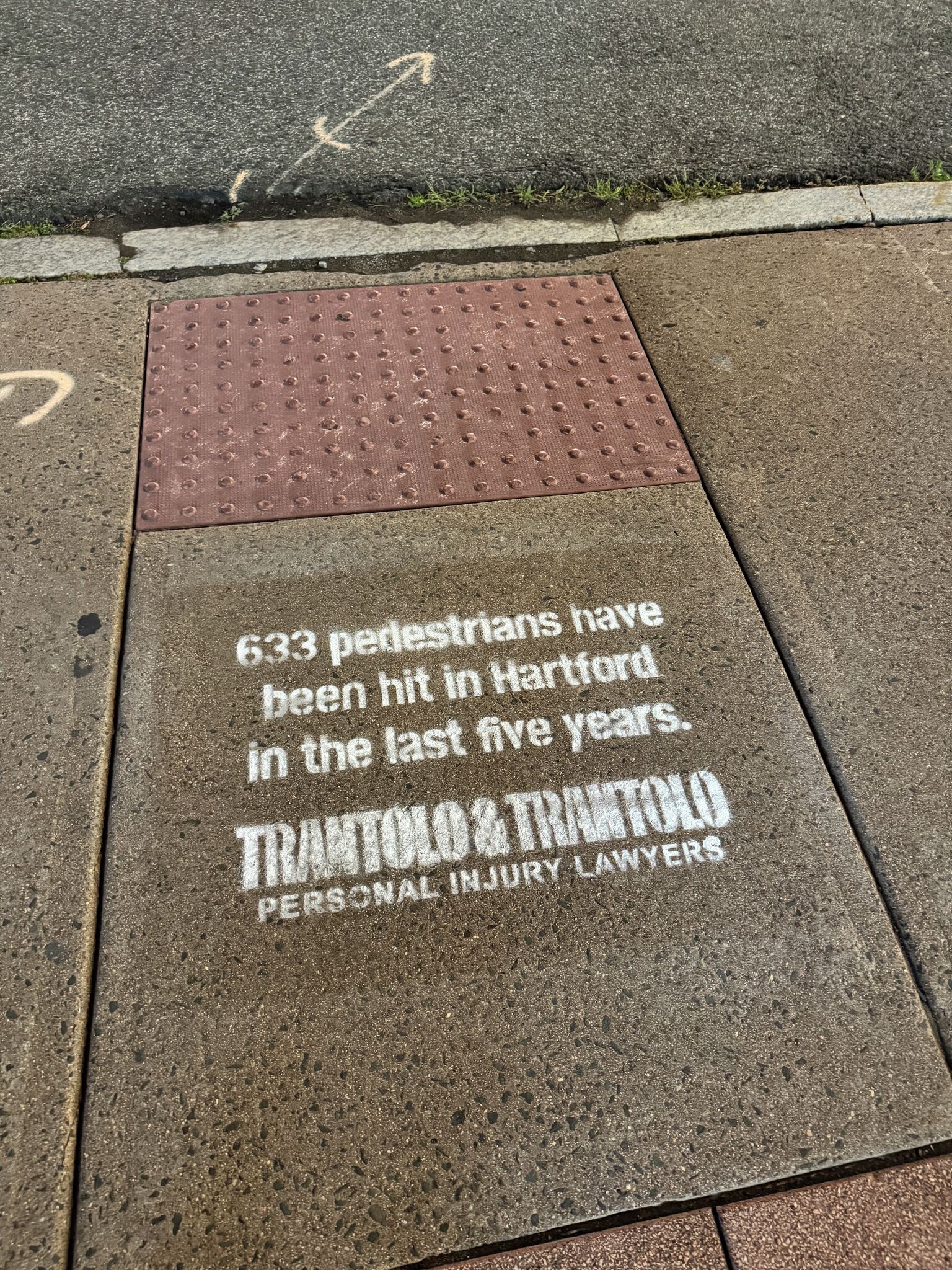
Trantolo & Trantolo may sue Hartford over legal defense costs
Trantolo & Trantolo sidewalk ads spark Hartford citation threat When a series of stenciled chalk messages bearing car...