Massachusetts libraries prepare for disaster response through new training initiatives
Massachusetts libraries are moving to strengthen their defenses against unforeseen emergencies through a specialized preparedness program. The Massachusetts Board of Library Commissioners (MBLC) has launched the Be Ready! program, an initiative designed to equip local institutions with the tools and knowledge necessary to protect collections and facilities during a crisis. Working in partnership with COSTEP MA and the Northeast Document Conservation Center (NEDCC), the program provides access to emergency response supply kits, planning tools, and professional assessments.
The stakes for these institutions extend far beyond simple building maintenance. Libraries serve as repositories for irreplaceable historical documents, community records, and vast educational resources. A single flood, fire, or structural failure can result in the permanent loss of local heritage if staff are not prepared to act as immediate first responders. By focusing on both digital planning and physical salvage, the MBLC aims to bridge the gap between theoretical preparedness and the chaotic reality of an active disaster.
Digital planning and hands-on salvage training
The program’s rollout includes specific educational tracks tailored to different aspects of crisis management. One primary component is a digital approach to organizational readiness. On September 21, 2026, the program hosted an online webinar focused on disaster planning using the dPlan|ArtsReady tool. This one-hour session provided Massachusetts library staff with a comprehensive overview of the software, offering strategies for creating formal disaster plans even when institutions face limited time or financial resources. Following the webinar, participants were eligible to apply for a free one-year subscription to the dPlan|ArtsReady tool, supported by the MBLC.
While digital tools assist with long-term strategy, the program also emphasizes the kinetic, physical realities of recovery. The MBLC has scheduled in-person Emergency Preparedness, Response & Salvage Workshops to complement digital planning. These sessions move beyond the classroom, allowing participants to engage in a hands-on learning experience led by preservation experts. The curriculum covers several critical areas of disaster management:
- Risk assessment and identifying institutional vulnerabilities.
- Establishing formal preparedness and response procedures.
- Executing immediate recovery actions.
- Practicing wet salvage techniques to stabilize water-damaged materials.
These workshops are designed to simulate real-world pressure. Participants are tasked with talking through specific disaster scenarios with their peers, simulating the rapid decision-making required when a collection is physically threatened. This training is intended to supplement the annual review of an institution’s disaster plan by ensuring staff can actually execute the technical steps of salvage when every minute counts.
The implementation of these programs highlights a growing recognition of the vulnerability of public and academic collections to environmental and accidental threats. For many smaller library branches, the transition from having a paper plan in a drawer to having a trained, equipped staff capable of “wet salvage” represents a significant shift in operational capability.

Attorney Paul Aloise says Mike Norvell buyout is a guaranteed contract
The Real Cost of FSU’s Coaching Transition “It’s a guaranteed contract,” said Paul Aloise, a former Florida State...
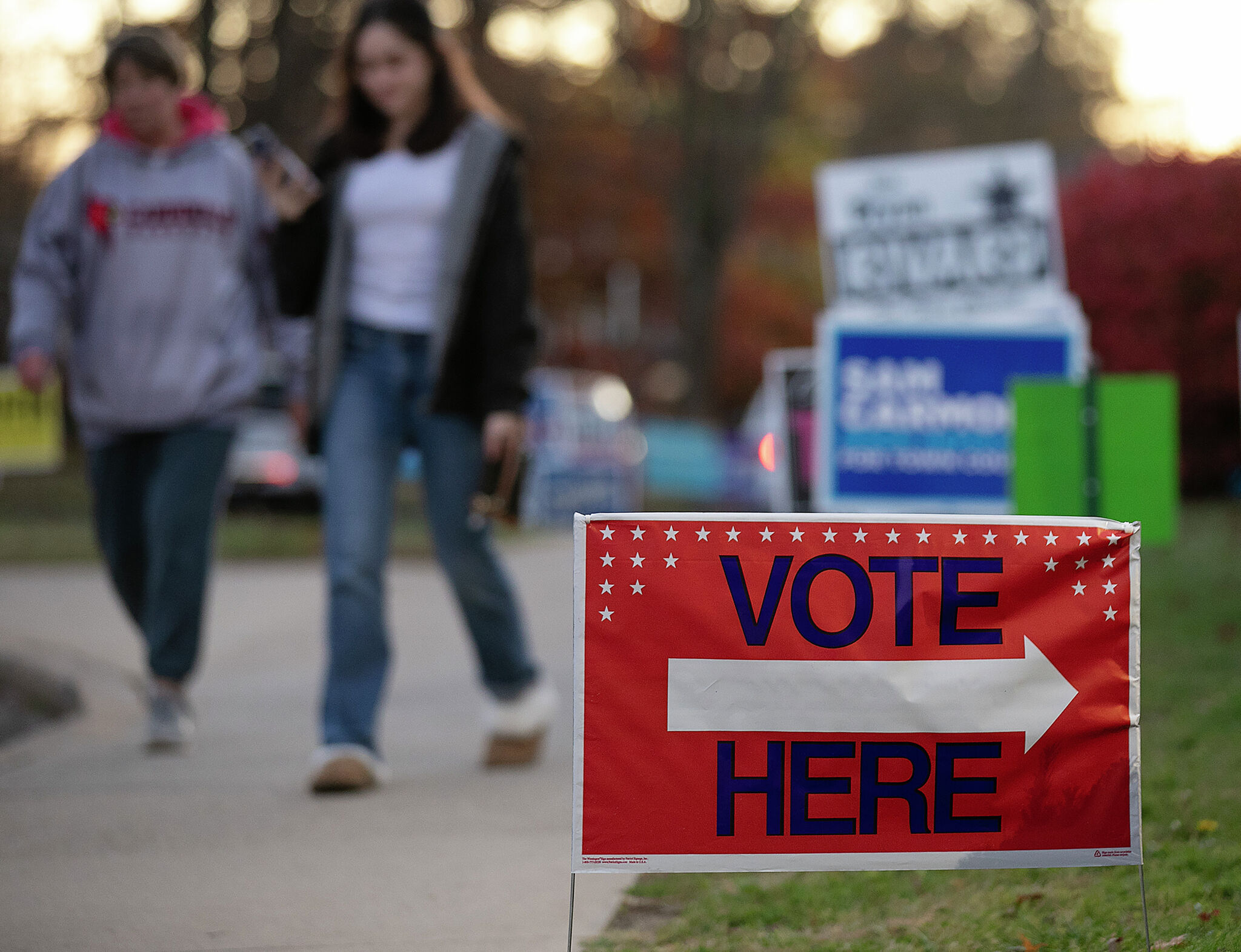
Connecticut Businesses and Schools Reveal Election Day Hours
Connecticut Schools and State Operations on Election Day 2026 For many students across Connecticut, November 3, 2026, marks...
Torey Alston’s Double-Double Leads VCU to 82-72 Win Over Little Rock
Torey Alston provided a critical spark off the bench on Monday, scoring 17 points and pulling down 12...
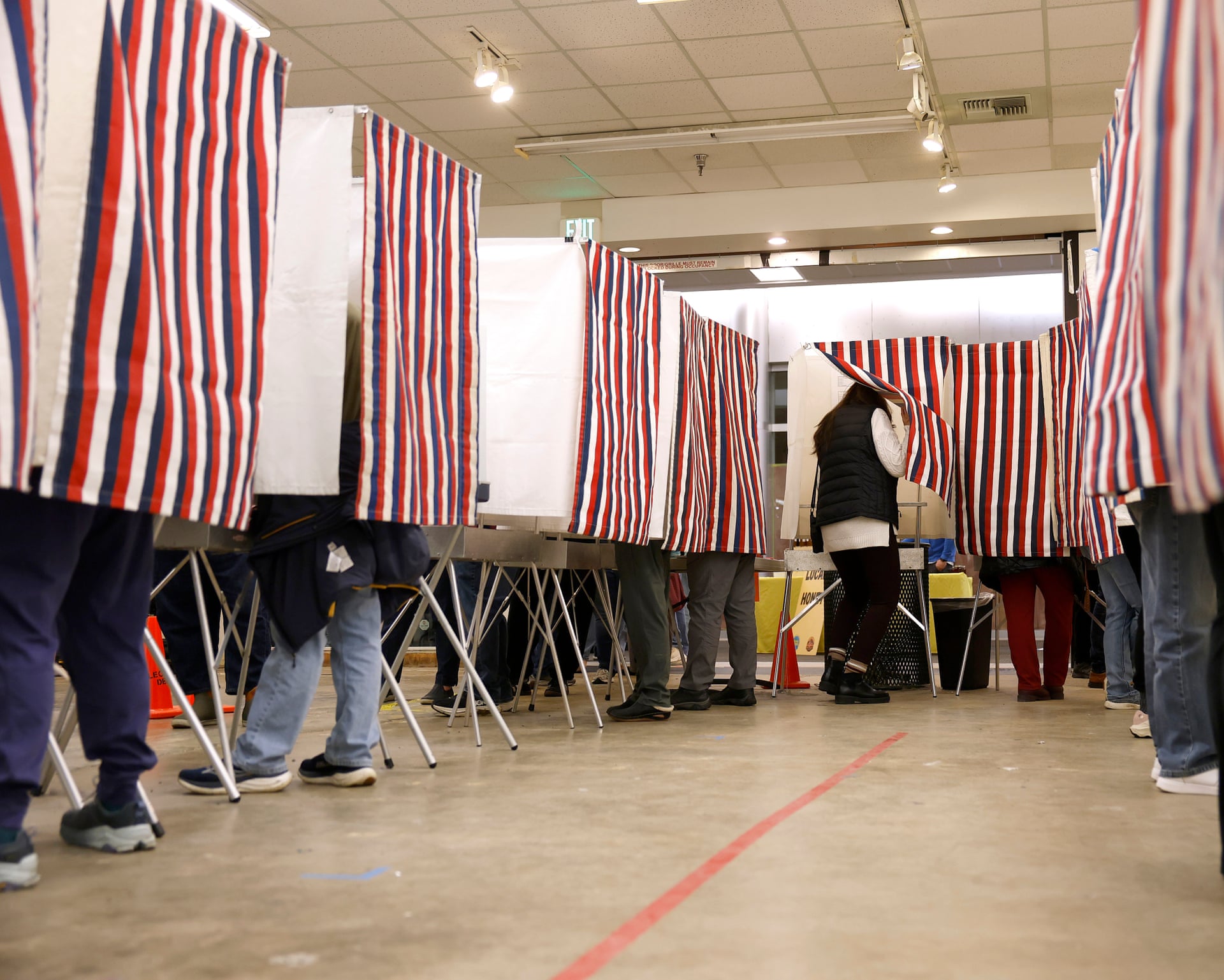
2026 US Midterm Elections: Key Races, Poll Times and Results Guide
The 2026 US midterm elections take place on Wednesday, November 4, Australian time, with polls opening across the...