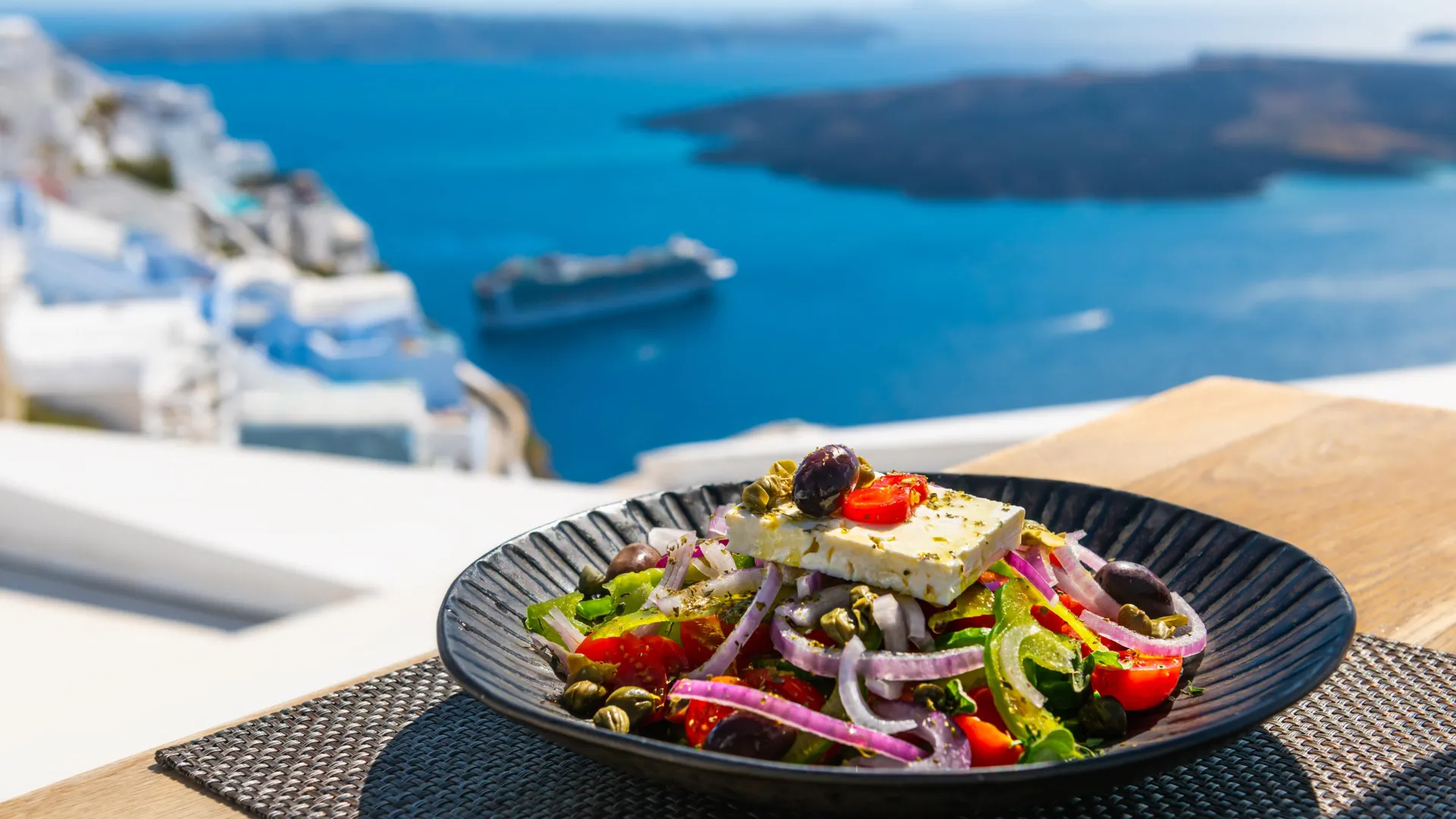
Researchers at the USC Leonard Davis School of Gerontology report that older adults adhering closely to a Mediterranean diet exhibit higher blood levels of mitochondrial microproteins humanin and SHMOOSE. These tiny peptides, originating from mitochondrial DNA, appear to link food intake directly to cellular aging and heart health.
A Mediterranean-style eating pattern may influence aging through an unexpected biological pathway involving minuscule proteins produced inside mitochondria. While mitochondria are traditionally recognized as the cellular power plants that generate energy, scientists increasingly understand that these structures also release chemical signals dictating metabolism, inflammation, stress responses, and overall aging.
Microproteins Humanin and SHMOOSE as Biomarkers
Older adults participating in the study who followed a Mediterranean diet most closely showed higher blood concentrations of two specific mitochondrial microproteins: humanin and SHMOOSE. Both peptides have previously been associated with protection against cardiovascular disease and neurodegeneration, the gradual loss of nerve cell function observed in conditions like Alzheimer’s disease.
Participants demonstrating the strongest dietary adherence also registered lower indicators of oxidative stress. This form of cellular damage occurs when unstable molecules called reactive oxygen species overwhelm protective systems, injuring proteins, fats, and DNA over time.
“These microproteins may act as molecular messengers that translate what we eat into how our cells function and age. It’s a new biological pathway that helps explain why the Mediterranean diet is so powerful.”
Specific Diet Components Drive Mitochondrial Health
The Mediterranean diet prioritizes minimally processed foods, including olive oil, fish, legumes, fruits, vegetables, and whole grains, while restricting refined carbohydrates, heavily processed items, and added sugars. The research team noted that individual food groups contributed distinctly to mitochondrial profiles.
Higher consumption of olive oil, fish, and legumes tracked alongside increased humanin levels. Meanwhile, olive oil intake coupled with reduced consumption of refined carbohydrates was linked to higher levels of SHMOOSE. Refined carbohydrates—such as white bread, pastries, and sugary products stripped of natural fiber—digest rapidly and provoke sharp blood sugar spikes.
Unlocking the Mitochondrial Genome
These discoveries build upon more than two decades of investigation into mitochondrial peptides. While most familiar human proteins rely on instructions stored in the DNA inside the cell nucleus, mitochondria carry a small, separately inherited supply of their own genetic material.
Humanin and SHMOOSE derive from short segments of the mitochondrial genome known as small open reading frames, regions previously dismissed as non-functional. Cohen’s laboratory first identified humanin in 2003, subsequently connecting it to enhanced insulin sensitivity, cardiovascular protection, extended lifespan, and preserved cognitive function. A later discovery from the same lab, SHMOOSE (Small Human Mitochondrial ORF Over SErine tRNA), showed links to brain health, where normal variants appear to shield neurons from amyloid-related damage.
Gut Metabolites and Inflammatory Complications
In parallel research concerning cardiovascular pathology, scientists investigating the gut-heart axis systematically mapped gut microbiota metabolites that either exacerbate or protect against heart failure.
Deleterious metabolites such as TMAO—produced when intestinal bacteria metabolize nutrients like choline and carnitine followed by hepatic oxidation—act as independent predictors of adverse clinical outcomes in heart failure patients. TMAO promotes inflammation, oxidative stress, and myocardial necrosis, yet it can also exhibit a paradoxical dual role. Under specific conditions, such as low-dose exposure or acute stress, TMAO triggers endoplasmic reticulum stress-protective pathways, displaying a pro-injury and compensatory protection dynamic that underscores the deep complexity of human metabolic regulation.
Keep reading
Amphetamine-Associated Rhabdomyolysis Triggers Severe Kidney Injury
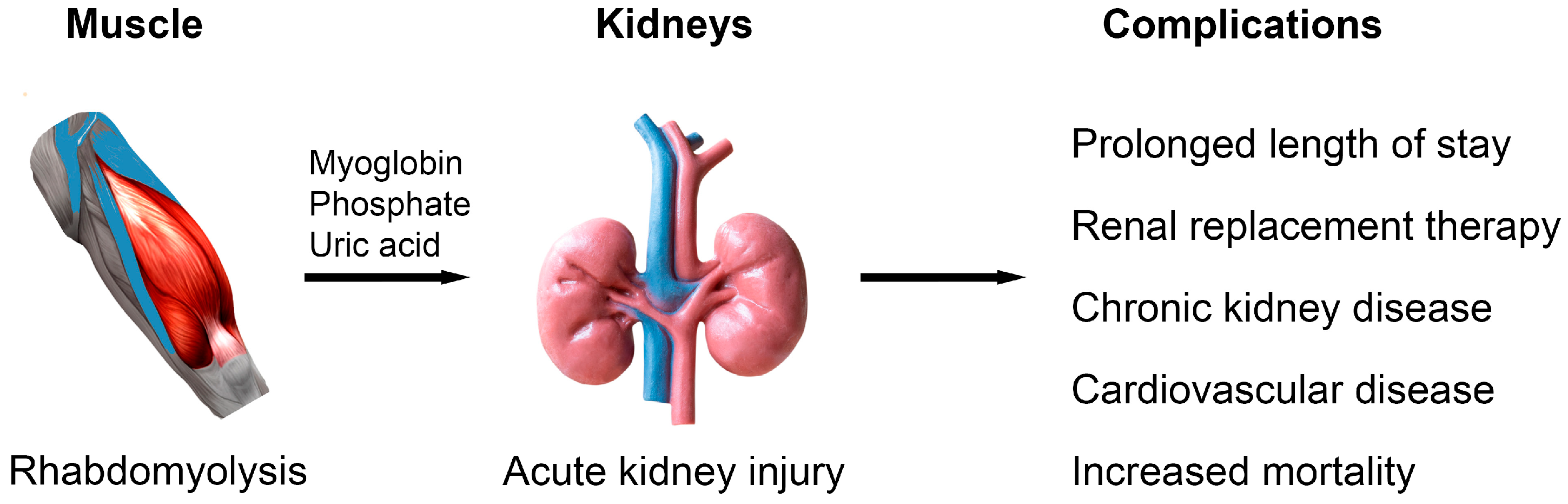
Massive amphetamine-associated rhabdomyolysis can trigger severe metabolic, cardiovascular, and renal complications, including acute kidney injury requiring dialysis, as...

Researchers at the University of Virginia developed new imaging technique to study Alzheimer’s disease metabolism and oxygen use
Researchers at the University of Virginia combined two-photon fluorescence lifetime imaging microscopy with phosphorescence lifetime imaging microscopy in...
Marjan Monfared Develops PrevenTherm System to Detect Pressure Injuries
Marjan Monfared, a fellow of the 2026 Women Who Empower Innovator Awards, has developed the PrevenTherm Monitoring System...

Researchers at the University of Washington’s David Baker lab develop working molecular scissors
Researchers at the University of Washington Institute for Protein Design have used artificial intelligence to engineer synthetic proteases...