
Researchers at the University of Washington Institute for Protein Design have used artificial intelligence to engineer synthetic proteases from scratch. Published October 14, 2026, in Nature, these designed enzymes act as molecular scissors, cutting target sequences with high speed and precision to target proteins involved in neurodegenerative conditions.
Replicating that mechanism through human design has long challenged biochemists. Near-atomic precision is required to position the catalytic blades. Researchers at the University of Washington’s David Baker lab bypassed millions of years of natural evolution by deploying advanced deep-learning models to generate custom enzymes directly from computational blueprints, as reported in a Nature study.
AI Pipelines Build Custom Enzymes
Creating these synthetic molecular tools required a specialized software stack.
The research team utilized RFdiffusion2 for backbone creation, followed by ProteinMPNN to populate the structural framework with specific amino acids. AlphaFold3 was then used to verify that the final three-dimensional structures matched the intended computational designs.
This iterative workflow produced two distinct classes of designed proteases built around different catalytic centers. One approach relied on a bound metal ion to activate water for peptide bond cleavage, while the other utilized an activated amino acid blade.
Metalloproteases and Cysteine Proteases Attack Disease Targets
More than a third of these designs successfully cleaved their targets, specifically amyloid-beta proteins implicated in Alzheimer’s disease. According to university reports, these engineered metalloproteases operated 100 million times faster than uncatalyzed reactions. That first design strategy was led by Anqi Chen and Kejia Wu.

In a parallel effort, graduate student Hojae Choi led the development of cysteine proteases built around an activated cysteine blade. These enzymes achieved a 19% functional success rate in experimental settings, working up to 30 million times faster than uncatalyzed peptide bond hydrolysis. Beyond purified proteins, the team tested the enzymes on sequences linked to amyotrophic lateral sclerosis and inside living human cells cultured in the laboratory.
Designing proteases from scratch has been a longstanding challenge. It is really exciting that we created entirely new cysteine proteases that cleave the chosen bonds specifically, and they also work inside living cells. This is a step toward designing tailor-made molecular scissors.
Hojae Choi, Ph.D. student in biochemistry at the University of Washington School of Medicine, via UW Medicine | Newsroom
Enzymes Offer Catalytic Amplification
Treating a million targets requires at least a million drug molecules.
Most conventional pharmaceuticals operate via binding. A small molecule or antibody latches onto a disease target to block or activate it on a strict one-to-one ratio. Enzymes operate on an entirely different scale because they alter their target, release it unchanged, and immediately move on to the next.
AI designed proteases cut specific proteinsResearchers at David Baker's lab at the University of Washington used AI protein design tools to create custom proteases that cut specific proteins. The team started with a zinc protease from a crayfish digestive system and a cysteine… pic.twitter.com/QN6oJtxrdj
A single designed protease can cut thousands to millions of specified targets over its lifespan. Anqi Chen noted that this catalytic multiplication creates the potential to administer therapeutics at significantly lower concentrations.
You have this catalytic capability to destroy one target, and then immediately your molecule can hop over to the second, third and thousands of different targets.
Anqi Chen, postdoctoral fellow at the Institute for Protein Design, via GeekWire
Obstacles Face Human Clinical Use
Significant biological and logistical obstacles must be cleared before these designer enzymes can treat human patients. Chief among them is the delivery challenge. If a disease-related protein sits inside a cell, the protease must successfully cross the cellular membrane to reach it.
Researchers are also studying immunogenicity. That is the risk that a patient’s immune system will mount an attack against the therapeutic enzyme before it can perform its function.
To address immune system recognition, Hojae Choi is exploring methods to mask the cutting component inside a benign-appearing antibody structure. Because this approach represents a newly launched project, official trial data is not yet available, and researchers emphasize that much foundational work remains. Beyond human medicine, the laboratory is investigating applications ranging from breaking down environmental plastic waste to targeting malaria and viral toxins.
Related reading

Young Adults’ Stroke Risk Nearly Doubles Over Three Decades
Medical data tracking Greater Cincinnati and Northern Kentucky over nearly three decades reveals stroke rates among adults aged...

Continuous Glucose Monitors Benefit Type 2 Diabetes Patients Not on Insulin
Adults with type 2 diabetes who do not take insulin spent approximately five additional hours daily within their...
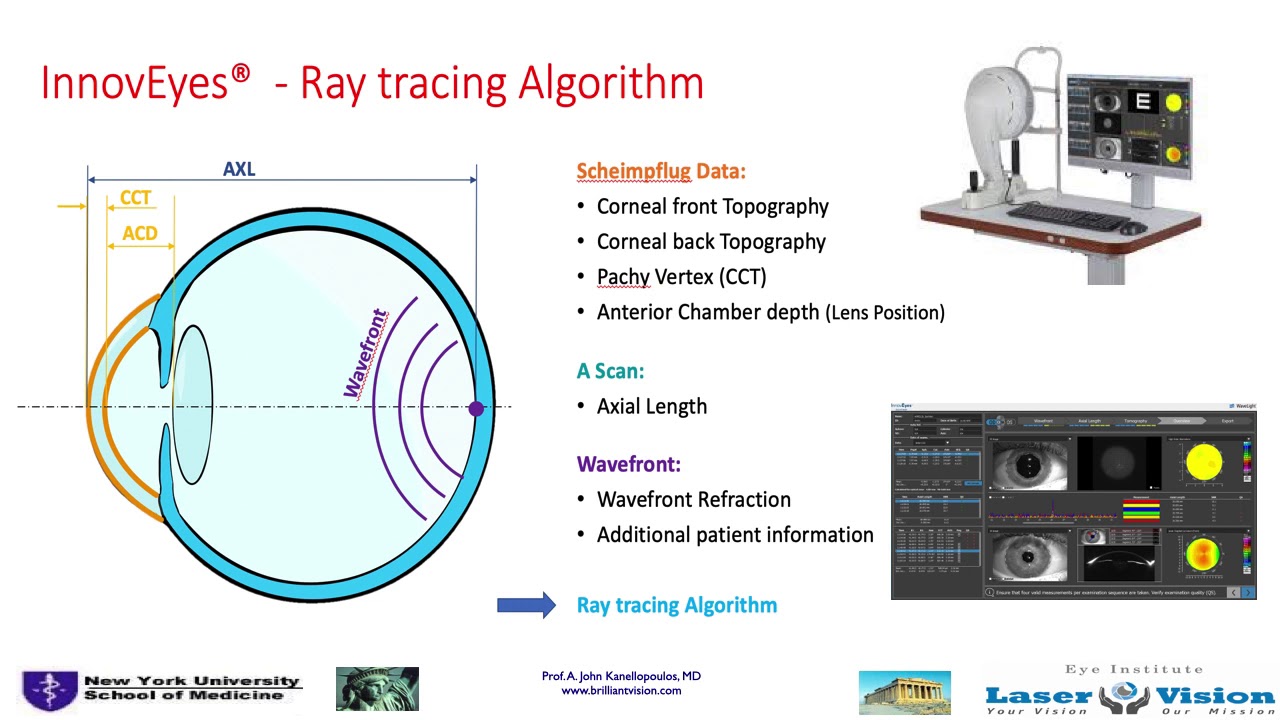
Stanford Trials Ray Tracing-Guided LASIK in Nearsighted Patients
Stanford Eye Laser Center is conducting a prospective, randomized research trial comparing ray tracing-guided LASIK to wavefront-guided LASIK...
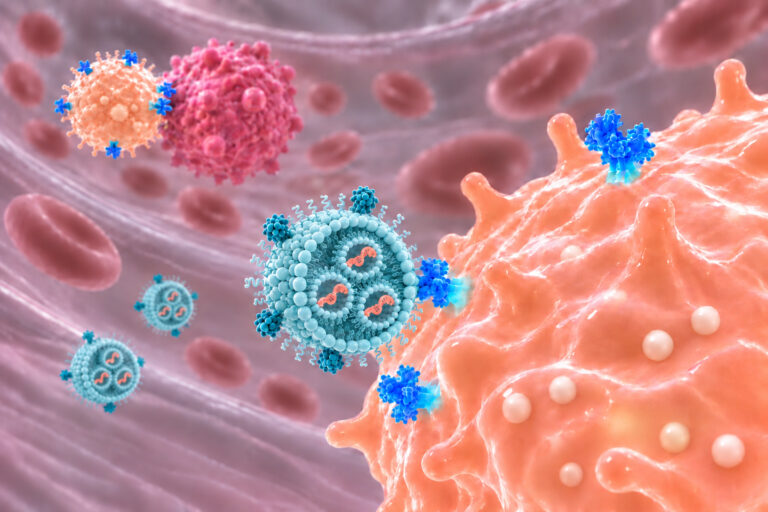
PPARD Activated in Immune Cells Becomes Cancer-Fighting Tool
Researchers at Cold Spring Harbor Laboratory and the Massachusetts Institute of Technology have discovered that the lipid-sensing transcription...