A randomized clinical trial published in Cell Metabolism reveals that adults with obesity and prediabetes who lost about 10 percent of their body weight on a ketogenic diet achieved greater reductions in liver fat and blood sugar, outperforming those on Mediterranean and plant-forward diets despite identical weight loss.
Comparing Macronutrients Under Strict Dietary Control
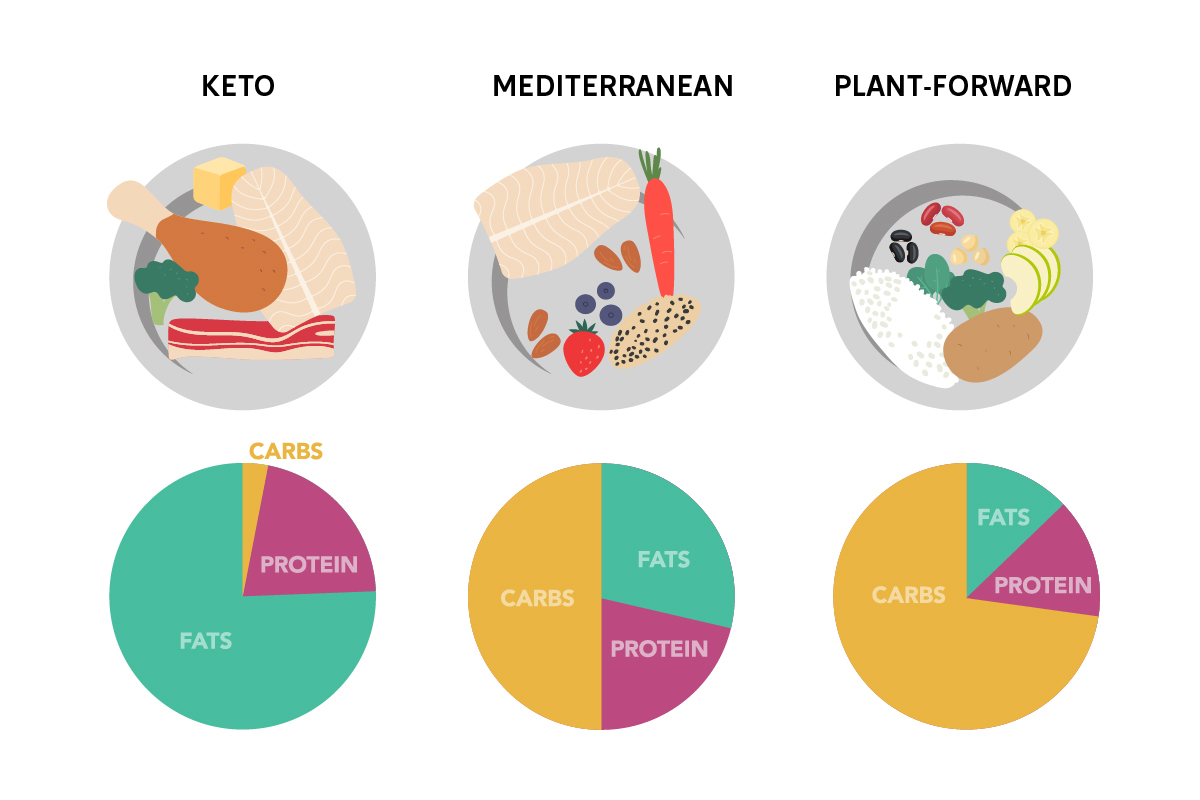
To determine whether the macronutrient makeup of a diet alters metabolic health independently of shedding pounds, researchers at Washington University School of Medicine in St. Louis launched a randomized clinical trial testing three diets with different proportions of carbohydrates, fats, and proteins. The investigation, published in Cell Metabolism, enrolled 55 adults with metabolically unhealthy obesity—defined in the study as obesity complicated by prediabetes and excess fat in the liver. Out of the original cohort, 42 participants completed the entire protocol.
To ensure high fidelity, the study team provided 100% of the food consumed throughout the intervention and scheduled weekly meetings with study dietitians. This rigorous oversight paid off in adherence, with participants logging that they stuck to their assigned eating plans more than 95 percent of the time. Each participant remained on their designated diet until they dropped close to 10 percent of their starting weight.
Muscle Insulin Sensitivity Improves Equally Across All Three Diets
Despite vastly different distributions of macronutrients—ranging from very low carbohydrates to very high carbohydrates—all three diets succeeded in improving overall metabolic health through weight reduction alone. Across the board, participants shed about 10 percent of their total starting weight and boosted insulin sensitivity in muscle cells by roughly 50 percent from baseline.
“Many metabolically unhealthy patients also are candidates for GLP-1 medicines, which have been very useful tools for helping people lose weight. But our results show that choice of diet remains important because it has an impact on specific health outcomes that go beyond weight loss alone.”
Max C. Petersen, MD, PhD, WashU Medicine
The comparable restoration of insulin sensitivity across muscle tissue in every group suggests that the weight loss itself was the driving factor in combatting muscle insulin resistance, rather than any specific ratio of fats and carbohydrates.
Dramatic Improvements in Liver Health and Blood Sugar Control
While the bathroom scale told a similar story for weight and muscle response regardless of the diet, the liver told a different tale. Sensitivity to insulin in liver cells improved two to three times more on the ketogenic diet compared with the Mediterranean and plant-forward plans.
Furthermore, the ketogenic diet reduced fat inside the liver by 67 percent, compared with approximately 45 percent for the other two dietary groups. Twenty-four-hour plasma glucose exposure also dropped the most in the ketogenic group, falling by 20 percent compared to roughly 8 percent for the alternative diets.
“Fatty liver disease affects about 75% of adults with obesity worldwide and has become the fastest-growing cause of chronic liver disease and liver cirrhosis. Our study shows that for people with obesity and fatty liver disease, a low-carbohydrate ketogenic diet could help reduce that statistic.”
Max C. Petersen, MD, PhD, WashU Medicine
Cardiometabolic Risk Factors and the Lipid Profile Puzzle
A central concern surrounding high-fat diets has historically been their potential to worsen blood lipid profiles and raise cardiovascular risk. However, researchers observed no such adverse outcome among participants following the very-low-carbohydrate regimen.
Samuel Klein, the study’s corresponding author at Washington University School of Medicine in St. Louis, Missouri, noted that LDL cholesterol, apolipoprotein B, and 24-hour plasma triglycerides did not differ significantly among diets.
In addition to safeguarding lipid profiles, fasting plasma glucose, insulin levels, mean very-low-density lipoprotein particle size, and the lipoprotein-insulin resistance index were reduced to the greatest extent in the ketogenic group. Hepatic de novo lipogenesis and glycated hemoglobin also declined more sharply under the carbohydrate-restricted protocol, while LDL cholesterol, apolipoprotein B, and 24-hour plasma triglycerides showed no statistically significant differences across the diets.
Implications for Treating Metabolic Dysfunction and Fatty Liver Disease
With obesity affecting roughly four in 10 Americans and metabolic dysfunction-associated steatotic liver disease posing an escalating global challenge, these findings point toward more nuanced nutritional strategies. While modern pharmacotherapies offer powerful tools for shedding pounds, the clinical data indicate that dietary macronutrient composition provides distinct physiological advantages that weight loss alone does not replicate.
The research underscores that tailoring dietary plans to target organ-specific health—particularly hepatic lipid storage and glucose production—can offer measurable therapeutic protection against the progression of severe metabolic diseases.
Related reading
Marjan Monfared Develops PrevenTherm System to Detect Pressure Injuries
Marjan Monfared, a fellow of the 2026 Women Who Empower Innovator Awards, has developed the PrevenTherm Monitoring System...

Researchers at the University of Washington’s David Baker lab develop working molecular scissors
Researchers at the University of Washington Institute for Protein Design have used artificial intelligence to engineer synthetic proteases...

Young Adults’ Stroke Risk Nearly Doubles Over Three Decades
Medical data tracking Greater Cincinnati and Northern Kentucky over nearly three decades reveals stroke rates among adults aged...

Continuous Glucose Monitors Benefit Type 2 Diabetes Patients Not on Insulin
Adults with type 2 diabetes who do not take insulin spent approximately five additional hours daily within their...