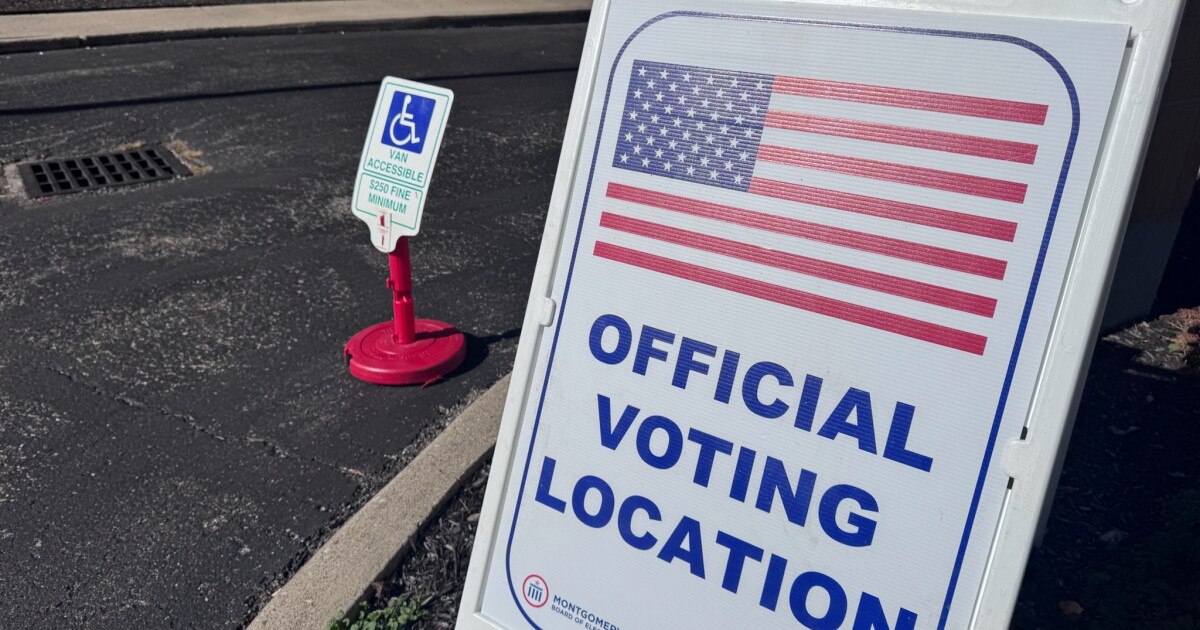
Voters reject tax levies and data center expansions across the Miami Valley
The Miami Valley electorate delivered a series of decisive “no” votes on Tuesday night, stalling several local tax initiatives and signaling a strong resistance to industrial expansion in certain municipalities. As early, unofficial returns trickled in from Montgomery, Greene, Clark, and Miami counties, the most consistent trend wasn’t a shift in partisan lean, but a widespread rejection of new income taxes and specific land-use changes.
According to unofficial returns reported by WYSO Public Radio, voters in several school districts and municipalities opted to maintain the status quo rather than approve additional funding through tax hikes. This fiscal conservatism played out in Beavercreek, where 59% of voters rejected an income tax proposal, and in Miamisburg, where a 0.5% income tax for the Miamisburg City School District failed to gain traction, receiving only 33% support.
The results suggest a community deeply cautious about the cost of living and the immediate impact of new levies on household budgets. While school districts often rely on these funds for operational stability, the margin of defeat in places like Northridge Local Schools—where 61% voted against the levy—and Dayton Public Schools—where 51% opposed a 7-mill levy—highlights a significant gap between institutional needs and taxpayer willingness.

Data centers face local pushback in Champaign and Miami counties
Beyond the budget battles, a distinct movement against the rapid expansion of data centers emerged on the ballot. In Champaign County, an Urbana charter amendment regarding data centers passed with 77% of the vote, a clear mandate for tighter local control over digital infrastructure. This sentiment was echoed in Piqua, where a charter amendment to prohibit the construction of data centers earned 67% approval.
The push to restrict these facilities often stems from concerns over energy consumption, land use, and the perceived lack of direct community benefit compared to traditional industrial or commercial developments. By securing these amendments, local governments in Urbana and Piqua are effectively reshaping their zoning landscapes for the coming decade.
Mixed results for local leadership and commissions
While tax levies faced a difficult night, local political races saw a variety of outcomes. In Clark County, Sasha Rittenhouse secured a seat on the County Commission with 59% of the vote, while Greg Kaffenbarger claimed the other seat with 65% against Seth Evans, who received 35%. In Montgomery County, Democrat Carolyn Rice won a seat on the County Commission with 58% of the vote, ahead of Republican Margie Christie’s 42%.
The night was also marked by significant volatility in Piqua’s municipal leadership through a series of recalls. In the 1st Ward, 73% of voters supported a recall of the current official, with Jim Sheats receiving 50.7% to Alexander Hessler’s 49.3% to succeed them. The 3rd and 5th Wards saw even more decisive shifts, with 70% voting for recalls and 100% of those votes going to Damon Wilson and Kim Heisler, respectively, to fill the vacancies.

Statewide legislative trends in the 5th and 36th Districts
The Miami Valley’s influence on the Ohio General Assembly remains a central component of the state’s political makeup. Early, unofficial returns from the state legislative races show a mix of Republican dominance and Democratic gains in specific pockets. In the 5th District State Senate race, Republican Phil Plummer holds a significant lead with 64% compared to Democrat Jeffrey Harris at 36%.
However, the 36th District State Representative race tells a different story, with Democrat Rose Lounsbury leading Republican Andrea White with 56% to 42%. Other notable legislative results include:
| District | Office | Leading Candidate | Vote Share |
|---|---|---|---|
| 37th | State Representative | Tom Herner (D) / Tom Young (R) | 50% / 50% |
| 39th | State Representative | Daquan Neal (D) | 52% |
| 40th | State Representative | Rodney Creech (R) | 65% |
| 71st | State Representative | Levi Dean (R) | 64% |
| 80th | State Representative | Johnathan Newman (R) | 68% |
The deadlock in the 37th District, where Tom Herner and Tom Young are tied at 50%, underscores the razor-thin margins that can define regional political power. As the night progresses, officials remind the public that these figures remain unofficial and that provisional ballots have yet to be fully tallied.
For residents in Clark, Greene, and Montgomery counties, the primary takeaway from Tuesday night is a clear signal: the appetite for new local taxation is currently at a low ebb, even as the community seeks to define its stance on the technological infrastructure of the future.
Worth a look
Louisiana Black Voter Turnout Surges Following Supreme Court Redistricting Ruling
The Resilience of the Ballot Box in Post-Redistricting Louisiana Sonya Knox arrived home in Baton Rouge with a...

Indiana Voters Approve Amendments to Restrict Bail and Change Judicial Residency
Indiana voters have approved two constitutional amendments that fundamentally alter how the state's judicial system operates, most notably...
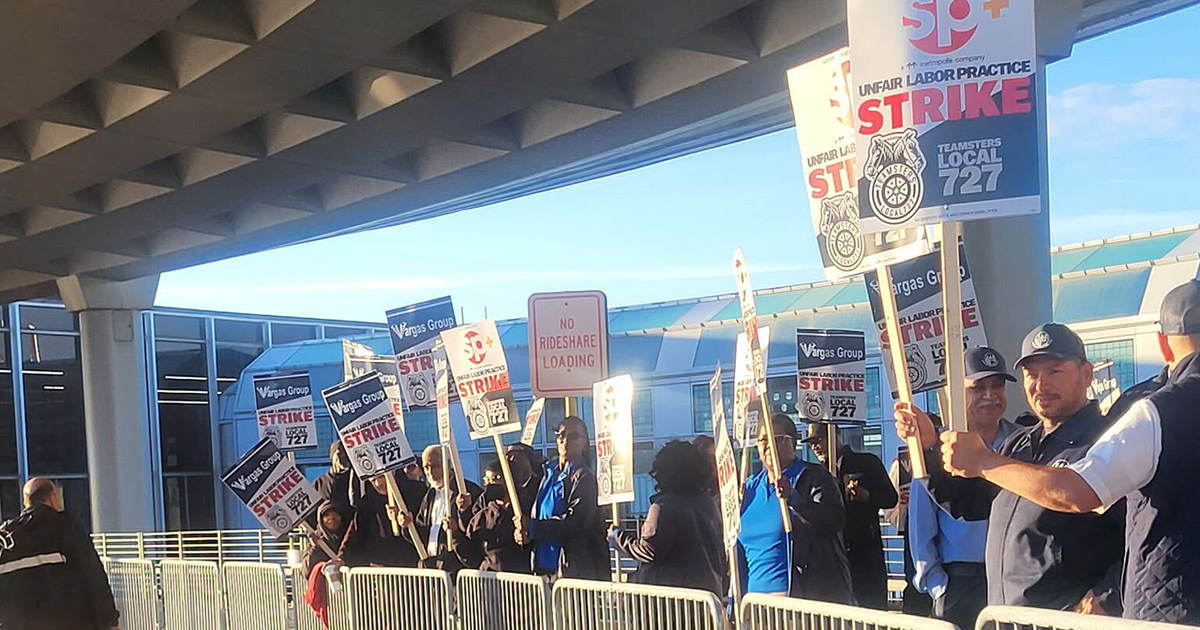
Chicago Parking Workers Strike: Potential Disruptions at O’Hare, Hospitals, and Downtown Garages
Nearly 1,200 parking workers launch strike across Chicagoland Nearly 1,200 union parking workers began a strike across the...
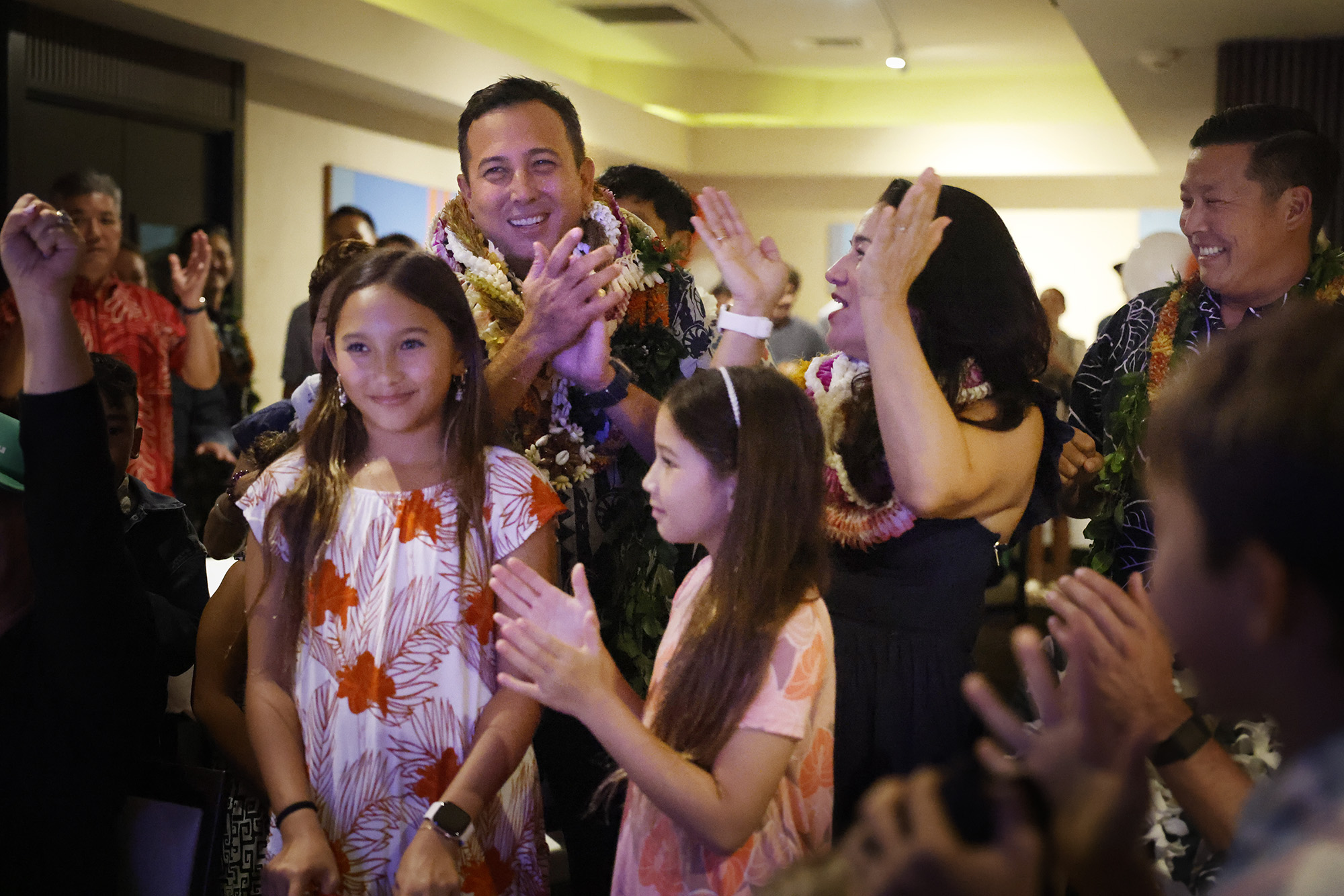
Trevor Ozawa Wins Reelection to Honolulu City Council as Voters Approve Key Charter Amendments
Trevor Ozawa returns to Honolulu City Council after eight-year absence “As I sat here, as a private citizen,...