
Sarah Huckabee Sanders has won re-election to the Arkansas governorship, defeating Democratic state Senator Fred Love and Libertarian candidate Colt Shelby in the November 3 general election, KATV reported.
With 52.8% of the votes counted, Sanders has secured 329,721 votes, maintaining a significant lead over her challengers. Fred Love holds 40.4% of the vote with 252,039 votes, while Libertarian Colt Shelby has received 42,470 votes, or 6.8%, according to the tallies reported by KATV and the Associated Press.
The victory marks a second term for Sanders, who first made history in 2022 as the first woman elected to the office. During her campaign, she framed her mandate as a commitment to the state’s identity, stating, “I’m fighting for an Arkansas that knows who we are and what we stand for and will never apologize for it.”
Education and fiscal policy define the Sanders legacy
The central pillar of Sanders’ first term has been the LEARNS Act, a sweeping education overhaul that fundamentally changed literacy instruction, increased teacher pay, and established school choice through a voucher program. While the program is now available to all Arkansas students, it has become a point of intense political friction. The Arkansas Advocate reports that the program’s rising costs have drawn bipartisan criticism, with lawmakers recently approving a state budget that includes $309 million for the initiative, alongside an additional $70 million in surplus funds to manage its growth.
This expansion of school choice stands in direct contrast to the platform of her opponent, Fred Love. During the campaign, Love criticized the specifics of Sanders’ education policies and had pledged to sign an executive order to halt the voucher program if he had won the election.
Beyond the classroom, Sanders’ administration has pursued an aggressive tax-reduction agenda. During her initial term, Arkansas lawmakers approved four rounds of income tax cuts and eliminated the state’s grocery tax. Looking toward her second term, Sanders has expressed a desire to continue a “responsible” phase-out of the state income tax to allow residents more control over their earnings.
The election results also leave several controversial projects and policy debates in a state of uncertainty:
- The Franklin County Prison: A proposed 3,000-bed prison project faced significant resistance from local communities and legislators, leading the administration to place the plan on hold.
- The Lectern Controversy: Sanders previously faced legislative scrutiny over the $19,000 purchase of a state lectern, though a local prosecutor declined to pursue charges following an audit.
- Medicaid Expansion: The future of healthcare for nearly 209,000 Arkansans remains a critical question for the upcoming legislative session.
Healthcare and the upcoming legislative session
As Sanders prepares to begin her second term in January, the focus is expected to shift toward the stability of the state’s Medicaid expansion program. The program is currently navigating a complex relationship with federal oversight. According to the Arkansas Advocate, the Trump administration recently rejected Arkansas’ request to renew the program because it did not meet a new federal requirement regarding projected costs to the federal government. Details regarding this specific federal provision can be found in official guidance from Medicaid.gov.

Sanders has indicated that discussions are ongoing regarding “the best path forward” for healthcare delivery, though she has not yet specified her preferred strategy. This tension was a recurring theme during the campaign; for instance, the NAACP criticized Sanders’ campaign advertisements regarding Medicaid work requirements, arguing they unfairly stereotyped low-income residents.
The political landscape in Arkansas continues to reflect a sharp divide between the incumbent’s focus on cultural and fiscal conservatism and the opposition’s concerns over social spending and program accessibility. While Sanders leverages her national profile—built during her time as White House press secretary and as a commentator—to drive her agenda, the practical implementation of her policies will now face the immediate reality of the January legislative session.
The next major milestone for the Sanders administration will be the convening of the state legislature in January, where the debates over healthcare access and the continued phasing out of income taxes are expected to take center stage.
Worth a look

Louisiana Black Voter Turnout Surges Following Supreme Court Redistricting Ruling
The Resilience of the Ballot Box in Post-Redistricting Louisiana Sonya Knox arrived home in Baton Rouge with a...

Indiana Voters Approve Amendments to Restrict Bail and Change Judicial Residency
Indiana voters have approved two constitutional amendments that fundamentally alter how the state's judicial system operates, most notably...
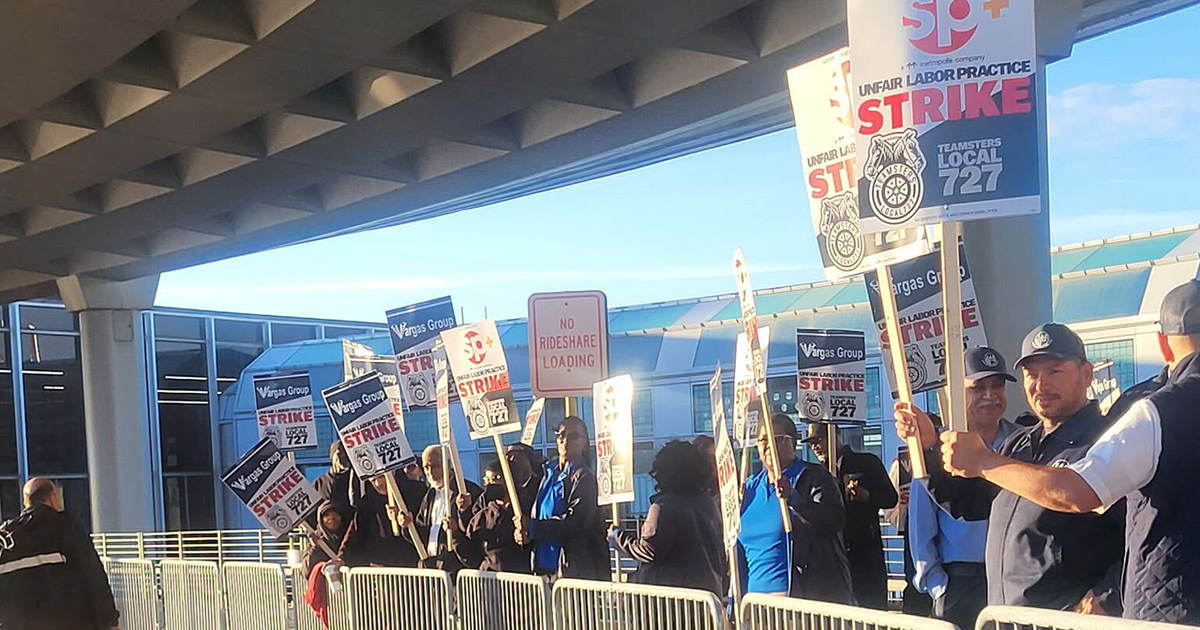
Chicago Parking Workers Strike: Potential Disruptions at O’Hare, Hospitals, and Downtown Garages
Nearly 1,200 parking workers launch strike across Chicagoland Nearly 1,200 union parking workers began a strike across the...
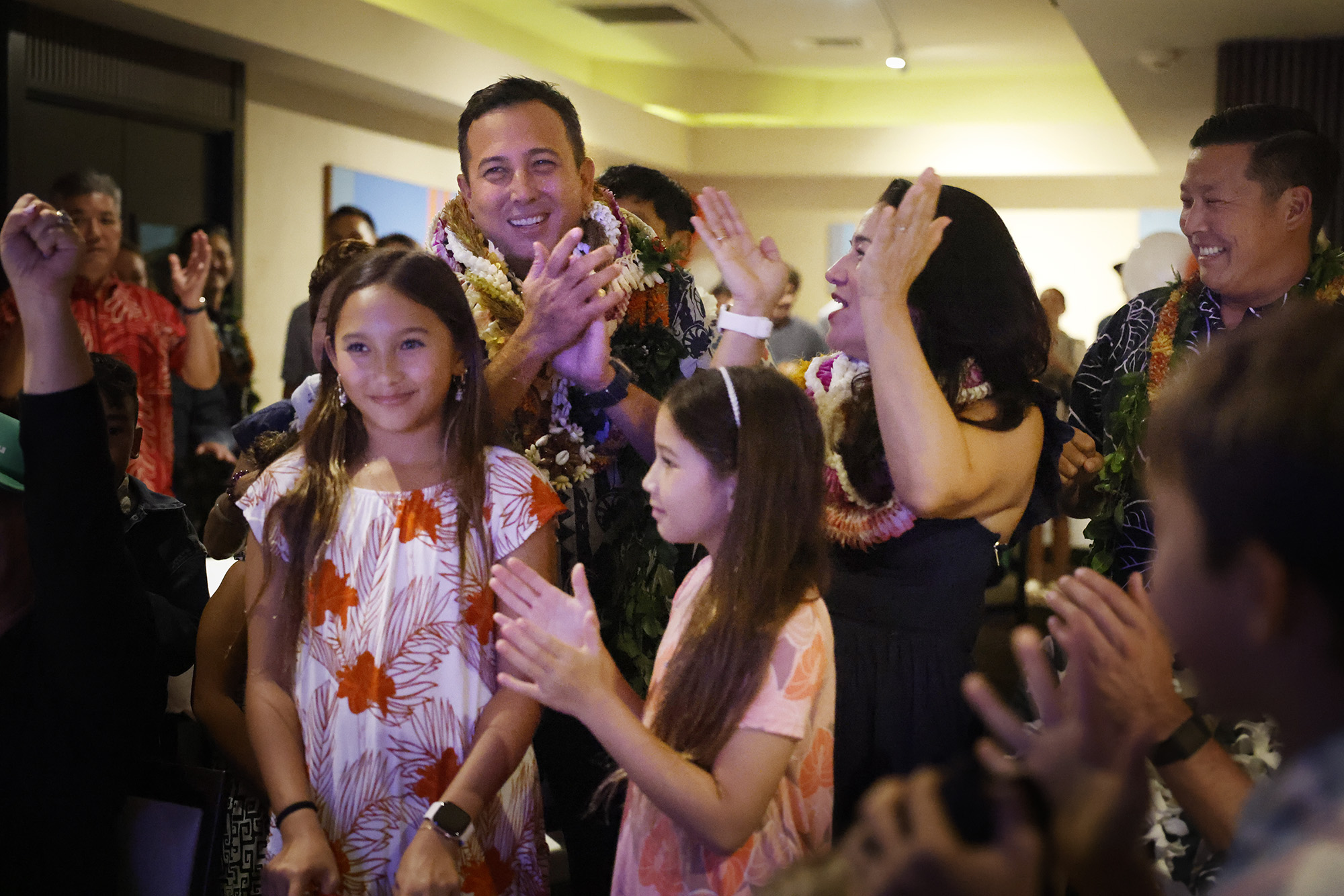
Trevor Ozawa Wins Reelection to Honolulu City Council as Voters Approve Key Charter Amendments
Trevor Ozawa returns to Honolulu City Council after eight-year absence “As I sat here, as a private citizen,...