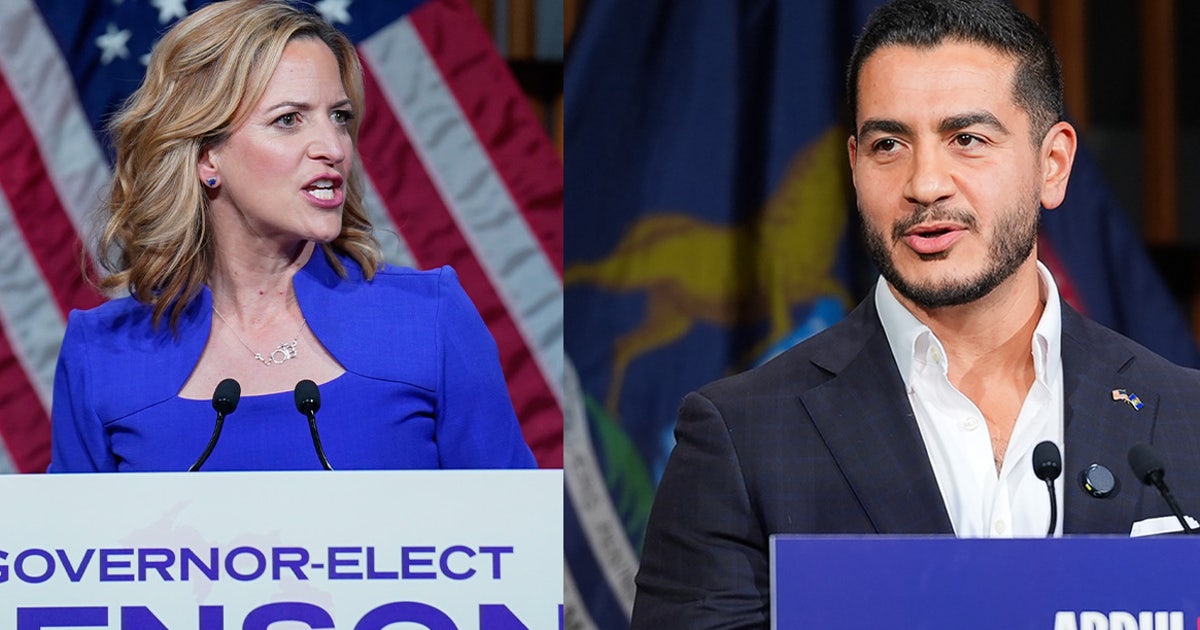
Michigan’s 2026 midterm election results are in, FOX 2 Detroit reported, after voters across the state cast ballots on Tuesday in a sweeping slate of contests that included a new governor, a new U.S. Senator, and a full reshaping of the state’s top executive offices, alongside a packed ballot of proposals and competitive U.S. House races.
The breadth of the ballot alone tells the story of how much was at stake. Beyond the marquee races for governor, U.S. Senate, Secretary of State, and Attorney General, voters weighed in on two statewide ballot proposals, decided contests in U.S. House Districts 6, 7, 10, 11, 12, and 13, chose members of the Michigan Supreme Court, and determined the composition of the Michigan State Legislature. According to the reporting, the results were compiled from election returns provided by The Associated Press.
What Was on the Ballot
For many Michigan households, the kitchen-table stakes were concrete: who would sign or veto legislation coming out of the state legislature, who would oversee election administration as Secretary of State, who would serve as the state’s chief legal officer in the Attorney General’s office, and which party would control the state House and Senate. The U.S. Senate race carried national weight, since control of the chamber shapes confirmation of federal judges and cabinet officials, as well as legislation on everything from health care to infrastructure funding that flows back to Michigan communities.
The two ballot proposals, identified in the reporting as Prop 1 and Prop 2, added a layer of direct democracy to a night already dense with decisions. Statewide proposals in Michigan have historically drawn heavy spending and attention, and their outcomes can alter how the state funds schools, infrastructure, or local government — decisions that ripple into property taxes and municipal budgets in cities and townships across the mitten.
Why the Congressional Map Mattered
The six U.S. House districts called out in the results — Districts 6, 7, 10, 11, 12, and 13 — span a cross-section of the state, from the southwestern counties around Kalamazoo and Battle Creek to the Detroit metropolitan area and the Thumb. Several of these seats have been among the most competitive in the country in recent cycles, meaning small shifts in turnout in places like Kent County, Oakland County, or Macomb County can decide who represents Michigan in Washington. Control of the U.S. House affects everything from federal highway dollars to farm bill programs that support Michigan’s agricultural economy.
The Michigan Supreme Court contests on the same ballot carried long-term consequences as well. Justices on the state’s high court interpret the Michigan Constitution, referee disputes over election law and redistricting, and rule on criminal justice and civil liability questions that affect businesses and families for years after a single election night.
Reading the Night
What made this election night worth watching was not any single race but the combination: a governor’s race, a Senate race, four statewide executive offices, two proposals, six congressional seats, the state Supreme Court, and both chambers of the state legislature all decided in one evening. For voters, that meant one trip to the polls translated into decisions at every level of government they interact with.
As results were tallied, the early returns gave way to a fuller picture of how different parts of the state voted. Urban centers, college towns, and the suburbs around Detroit each brought their own priorities to the ballot — jobs and manufacturing in the industrial corridor, education funding in growing suburbs, and agricultural policy in the rural north and west. The final margins in the closest House races were expected to draw particular scrutiny, since those districts have swung between parties in recent cycles and often serve as bellwethers for the national political climate.
For anyone tracking the outcome, the full district-by-district breakdowns and statewide totals were published alongside the reporting, drawing on the Associated Press’ election results as the foundational source for the calls.
The last thing worth knowing about this night is how quickly it becomes history: the officials elected Tuesday will be sworn in within weeks, and the first committee assignments, leadership votes in the state legislature, and agenda-setting in the governor’s office begin almost immediately — long before most voters have thought about the next election.
Keep reading
- AG Hanaway settles Jackson County tax dispute and defends Homestead Credit
- Minneapolis ICE Protests Spark Nationwide Backlash Against Trump Administration in 2026
- Chris Pappas Elected to U.S. Senate as First Out Gay Man (archyde.com)
- Keisha Lance Bottoms makes history as first Black woman governor (newsarchyuk.com)

AG Hanaway settles Jackson County tax dispute and defends Homestead Credit
Missouri Attorney General Catherine Hanaway announced on Wednesday that her office had won two significant legal battles over...
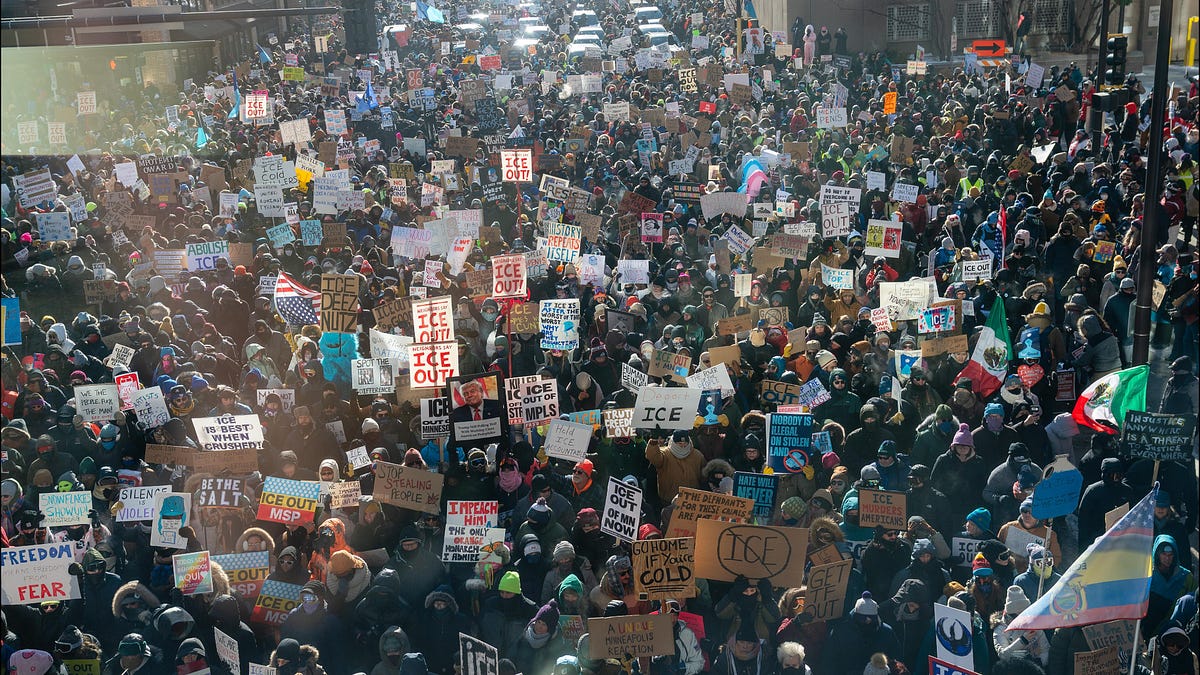
Minneapolis ICE Protests Spark Nationwide Backlash Against Trump Administration in 2026
Democratic Midterm Sweep Entrenches Capitol Hill Power, Traced to Minneapolis Protests Last night's elections delivered a decisive rebuke...
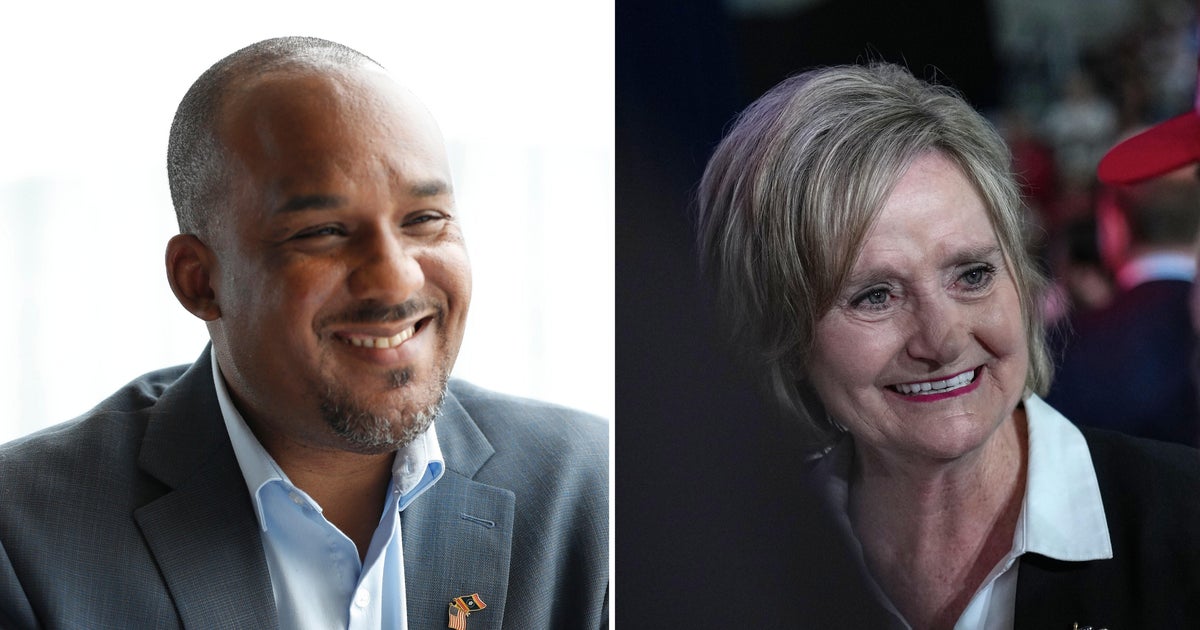
Mississippi Senate race still unresolved after shockingly close Democrat challenge
Democrats have already secured control of the U.S. Senate in the 2026 midterms, but the size of their...

Michigan Voters Pass Money Out of Politics Initiative, Reject Constitutional Convention
Michigan voters on Tuesday overwhelmingly approved a ballot measure barring regulated utilities and large government contractors from spending...