Mississippi Senate Race Comes Down to Affidavit Ballots
With fewer votes separating them than a single busload of people, Democratic Senate candidate Scott Colom and incumbent Republican Sen. Cindy Hyde-Smith are waiting on Mississippi’s provisional ballots to decide who wins the state’s Senate seat, Democracy Docket reported.
230,000 Registrations Flagged as Inactive
The razor-thin margin puts extraordinary weight on so-called “affidavit” ballots — provisional votes cast by people whose names did not appear on local polling precinct registration records. Mississippi is unusual in how many of these ballots were cast this year: after Secretary of State Michael Watson, a Republican, flagged 230,000 voter registrations as “inactive,” affected voters could still cast a ballot on Election Day, but only by using an affidavit ballot. Whether those ballots are counted — and whether Republicans challenge them — could decide the election.
Between 10,000 and 15,000 Ballots Still Outstanding
The Colom campaign estimated that between 10,000 and 15,000 affidavit ballots remained outstanding as of late Tuesday night, Mississippi Today reported. On Wednesday morning, Colom addressed supporters and urged voters to confirm their ballots had been verified.
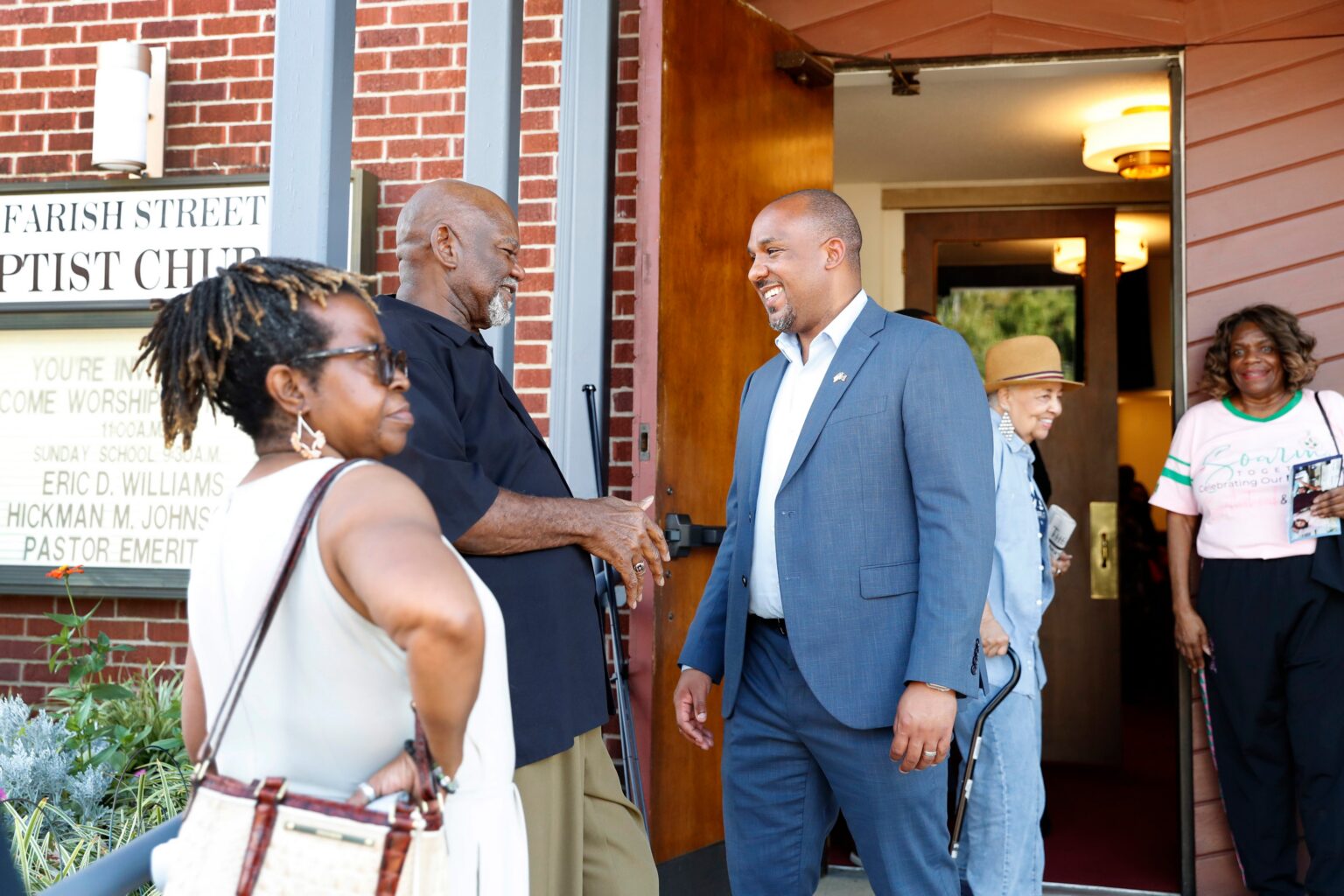
Scott Colom spoke to supporters, urging voters to make sure their affidavit ballots count. “We will protect the process of this election. We will protect the integrity of this election,” he said, while providing guidance for confirming a ballot has been successfully verified.
Five Business Days to Verify Identity
Under Mississippi law, election officials must count an affidavit ballot if the voter was previously registered in the precinct where they tried to vote, if both the voter and the precinct’s poll manager signed the ballot envelope, and if the voter shows acceptable identification within five business days of Election Day. Voters who already showed ID to poll workers on Election Day have satisfied that requirement. Officials will review those ballots alongside mail ballots that arrive within the state’s five-day grace period, so long as they were postmarked by Election Day, and fold them into the final tally over the coming days.
No Recount Law, Only Courtrooms
Mississippi stands apart from most states in another way: it has no recount law. Instead, candidates can sue to exclude or include specific ballots from the final count, meaning both campaigns are bracing for litigation. The Elias Law Group, which represents the Democratic Senatorial Campaign Committee, is active in the legal effort on behalf of the Colom campaign; the firm’s chair, Marc Elias, founded Democracy Docket.
Both campaigns will watch the counting process closely. The certification deadline for local election offices is Nov. 13, and the state’s certification deadline is Dec. 3.
More on Election Day
Keep reading

Eagles defense failed to improve against Commanders, analyst says
In a film review for Bleeding Green Nation, the writer argues the Eagles' defense failed to improve against...
Oklahoma congressional delegation Stays Republican as Democrats Flip Congress
Oklahoma voters kept their entire congressional delegation in Republican hands on Tuesday night, even as Democrats rode a...
Oregon Man Adam Hunter Harmel Charged in Federal Minor Exploitation Case
Utah Minor Recovered After 18 Months; Oregon Man Charged in Federal Complaint A Utah minor who disappeared in...

Josh Alexander Launches Ohio University NCWA Wrestling Program
More than 25 student-athletes will take the mat for Ohio University this season, a roster built by one...