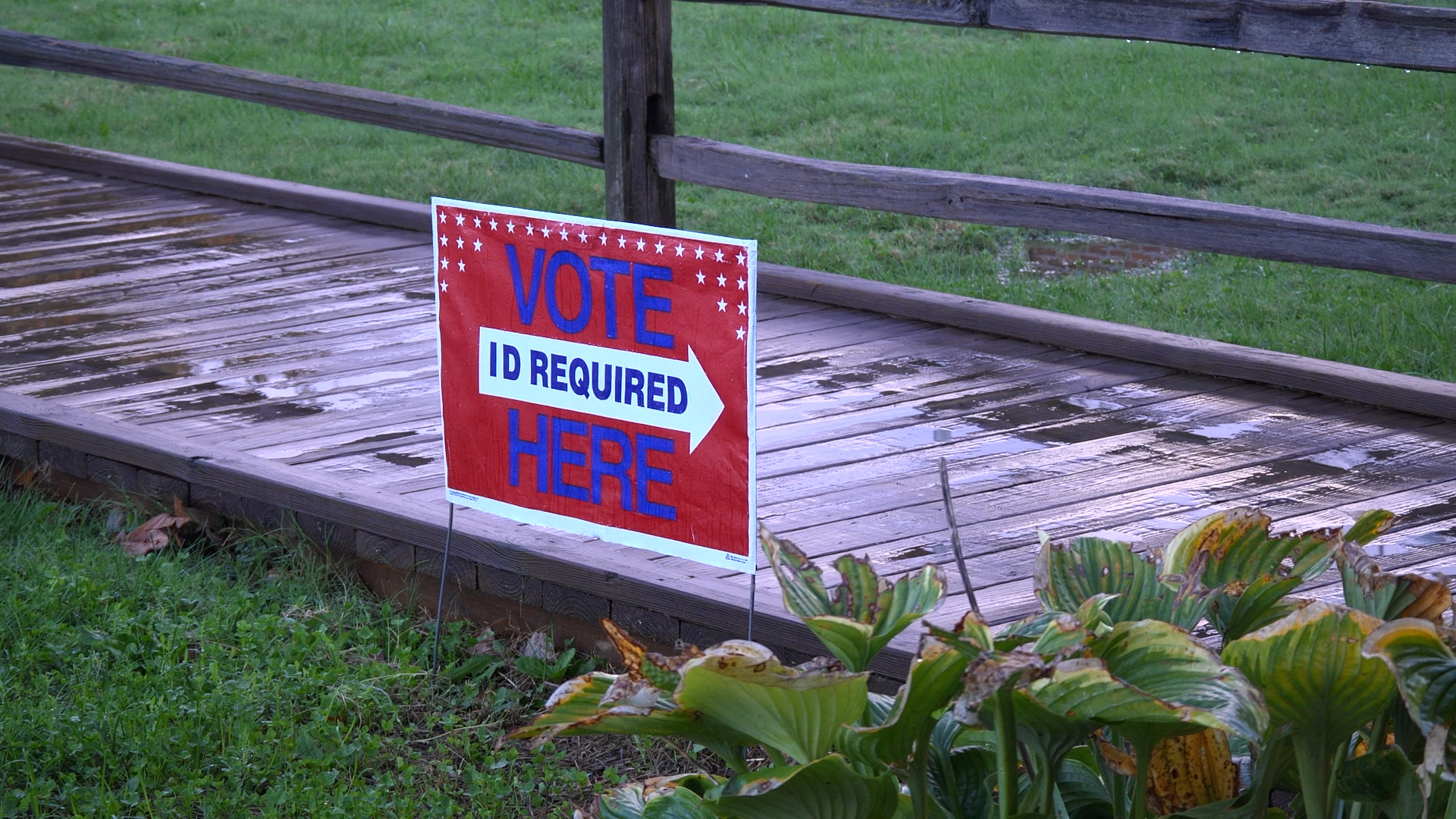
Missouri voters narrowly approved Amendment 8 on Tuesday, writing the election of county sheriffs into the state constitution with 1,053,346 ballots in favor and 1,012,534 against—a margin of just 40,812 votes, or 51% to 49% statewide, KQ2 reported.
The measure largely locks in current practice. Sheriffs are already elected to four-year terms under state law, and Amendment 8 elevates that arrangement from statute to constitutional requirement across most of the state. By enshrining the elected status of the office in the constitution, the amendment makes it significantly harder for future legislatures to alter or abolish the elected sheriff system without another statewide vote. The amendment also formally designates the sheriff as the county’s chief law enforcement officer—a title that now carries constitutional authority—and spells out specific duties in the constitution itself: keeping the peace, apprehending criminals, and attending circuit court. These provisions mean that the basic structure of county law enforcement, which has operated under statutory authority, will now be protected at the highest legal level of the state.
Buchanan County backed the measure by a wider margin than the state overall, with 56.84% of local voters—13,680 people—casting ballots in favor, while 43.16%, or 10,388 voters, opposed it, KQ2 reported. That local support exceeded the statewide margin by nearly six percentage points.
| Jurisdiction | Yes Votes | Yes % | No Votes | No % |
|---|---|---|---|---|
| Missouri (Statewide) | 1,053,346 | 51% | 1,012,534 | 49% |
| Buchanan County | 13,680 | 56.84% | 10,388 | 43.16% |
Removal power shifts to the attorney general
The most consequential change involves how a sheriff can be removed from office. Under the new constitutional language, only the Missouri attorney general can initiate removal proceedings against a sheriff. That authority moves away from county prosecutors, who previously held the power to start such actions at the local level. The shift centralizes the removal process at the state level, requiring the attorney general’s office to bring any case against an elected sheriff rather than allowing county prosecutors to do so. This change alters the balance of power in sheriff accountability, placing the removal trigger in the hands of a statewide elected official rather than local legal authorities.
St. Louis City, St. Louis County, and St. Charles County are exempt from these provisions, meaning those jurisdictions will not be bound by the new constitutional requirements regarding sheriff elections and removal.

Electing a county sheriff every four years becomes a constitutional mandate rather than a statutory one, locking in current practice for future generations and ensuring that the office remains directly accountable to voters. The duties of the office—maintaining public order, enforcing criminal law, and fulfilling judicial obligations—will be spelled out in the state’s foundational document rather than left to ordinary legislation that could be changed by a simple majority vote. And the path to removing an elected sheriff now runs exclusively through the attorney general, taking that power away from county prosecutors and creating a single, statewide standard for removal proceedings.
The narrow statewide margin reflects a state closely divided on how much constitutional weight to give the sheriff’s office, even as the practical day-to-day operations in most counties will look much the same as they did before Tuesday’s vote.
More on Missouri
Keep reading

Oregon Man Adam Hunter Harmel Charged in Federal Minor Exploitation Case
Utah Minor Recovered After 18 Months; Oregon Man Charged in Federal Complaint A Utah minor who disappeared in...

Josh Alexander Launches Ohio University NCWA Wrestling Program
More than 25 student-athletes will take the mat for Ohio University this season, a roster built by one...

Altru Health System to Acquire Three CHI St. Alexius Hospitals
"Altru has a deep commitment to the communities we serve, and this agreement reflects our shared vision with...
Overnight Lane and Ramp Closures Scheduled for SR-91 in Los Angeles County
Caltrans will close lanes, connectors and ramps overnight along State Route 91 from Cerritos to Gardena in Los...