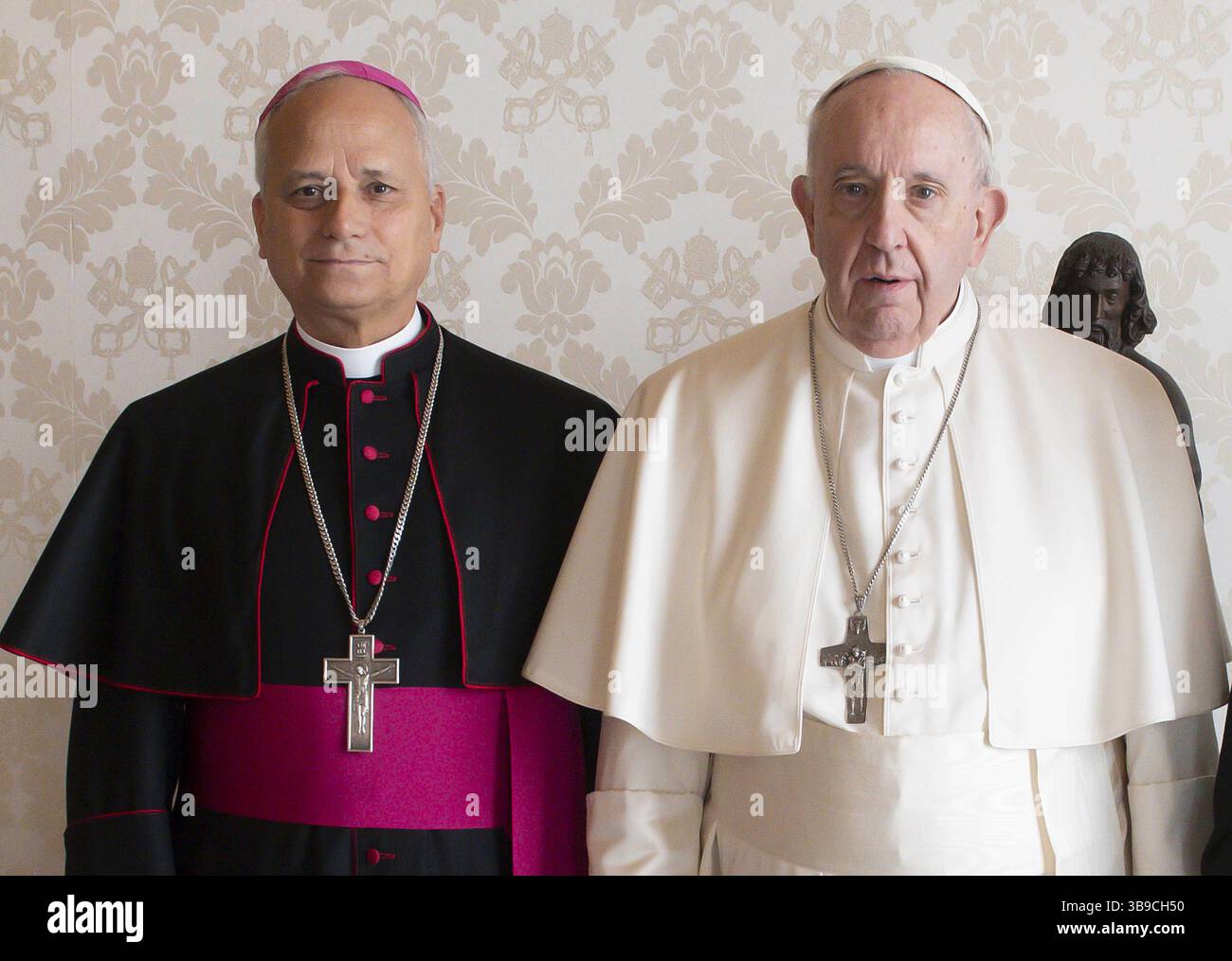
Monsignor Robert D. Lunsford, a 92-year-old former chancellor of the Diocese of Lansing, has offered a meditation on the “four last things“—death, judgment, heaven, and hell—as part of the liturgical observance of the Month of the Holy Souls, the Diocese of Lansing reported.
The reflections come as the Church commemorates the Feasts of All Saints and All Souls on Nov. 1 and 2. For the Catholic community, this period serves as a specific window to contemplate the fragility of life and the spiritual consequences of human choice.
“We are reminded daily of the fragility of life and the certainty of death, not only others’ but our own,” Lunsford wrote.
Lunsford, who was ordained to the priesthood in 1960 and retired from active ministry in 2005, frames the concept of judgment not as a distant abstraction, but as a direct consequence of daily decisions. He suggests that every action serves as an expression of either divine will or personal autonomy.
The meditation posits that the ultimate state of a person is defined by the direction of their character. Lunsford notes that while most daily choices seem insignificant, they cumulatively determine whether a person moves toward God or away from Him.
“In the end we become the choices we make and will be judged on them,” Lunsford wrote.
He characterized the “theme song of hell” as the phrase “I did it my way,” contrasting it with the selfless love required for salvation. This perspective aligns with the theological view that God, while “plentiful in mercy,” remains a just judge who respects the fundamental human freedom to choose.
The meditation describes the two ultimate destinations as polar opposites of the human experience. Lunsford defines heaven as a state of “life with God” characterized by peace, harmony, and a joy that transcends human comprehension, citing 1 Corinthians 2:9 to illustrate that such bliss has not been fully perceived by man.
In contrast, he describes hell as a state of “darkness, isolation, hatred, [and] separation.” He emphasizes that the core of this suffering is the separation from God, the creator who calls individuals by name.

Lunsford identifies two distinct moments of judgment. The first occurs at the moment of death, a personal transition where an individual is judged on their capacity for love. The second occurs at the end of time for the entire human race, which serves to confirm the initial judgment.
Addressing the concept of purgatory, Lunsford describes it as a “refining fire” intended to perfect human charity. He explains that for those who die in God’s love but remain imperfectly free from the residue of sin, this state provides the necessary purification to enter heaven.
This process is linked to the “communion of saints,” a spiritual interconnectedness between the saints in heaven, the souls in purgatory, and the living. Lunsford suggests that this relationship is reciprocal: the living can hasten the purification of souls through prayer, while the saints and souls in purgatory help the living grow in charity.
He concluded his reflections by referencing the biblical assurance found in 1 Corinthians 15:55-56, which asks, “O death where is your victory? O death where is your sting?”
Keep reading

NWS Confirms Tornado in New Castle County, Delaware Causing Damage
A confirmed tornado struck New Castle County, Delaware, on Thursday afternoon, causing property damage and triggering widespread severe...

Arizona’s quarterback room has plummeted to the bottom of the league
Arizona's quarterback room has plummeted to the bottom of the league, according to midseason rankings released by FanSided....

Leland Lapier Pleads Guilty in Great Falls Methamphetamine Ring Case
Leland Neal Lapier, Jr. pleaded guilty to methamphetamine trafficking charges today, following a multi-year federal investigation into a...

Missouri AG Hanaway Issues Guidance on Child Exploitation Protection
The guidance addresses the rising threat of digital exploitation, specifically targeting the use of artificial intelligence to create...