Missouri Begins Season Without Key Players as NCAA Eligibility Rules Spark Uncertainty
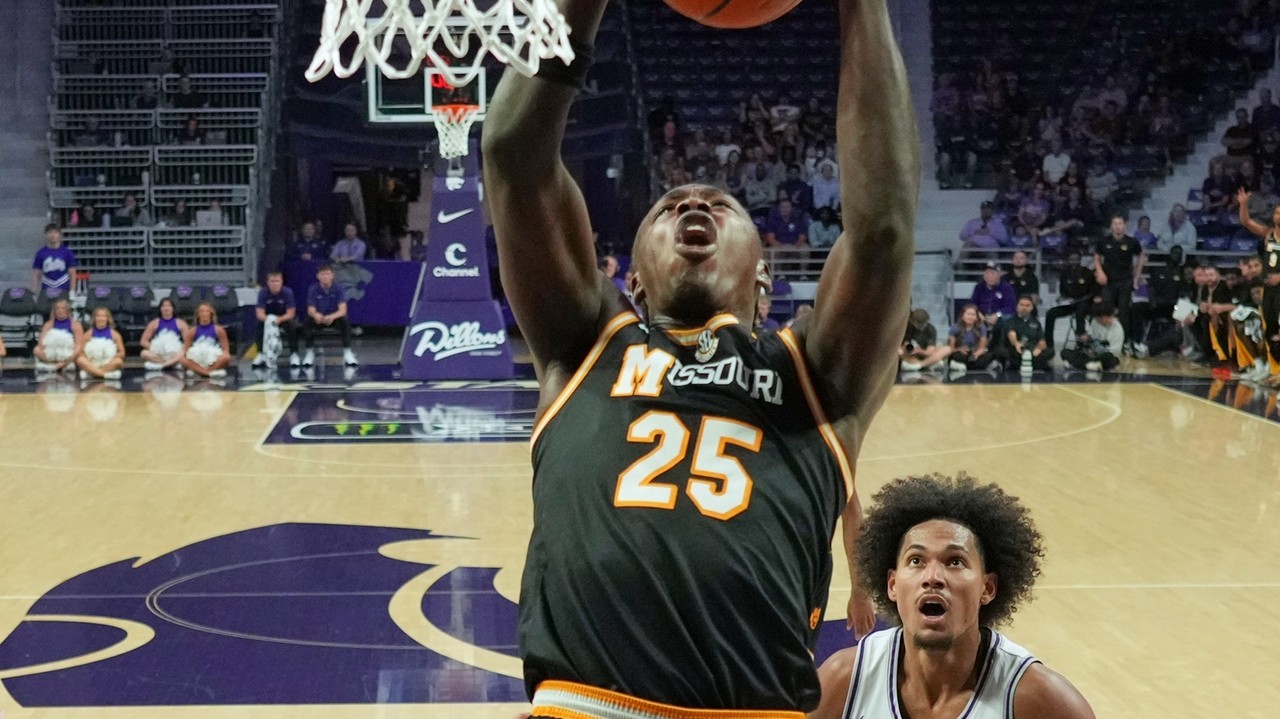
Missouri’s men’s basketball team will open the 2026-2027 season without two projected starters, as head coach Dennis Gates announced the suspension of Jaylen Carey and the ineligibility of DePaul transfer CJ Gunn. The decisions regarding Jaylen Carey’s suspension and CJ Gunn’s ineligibility highlight the impact of NCAA eligibility rules on Missouri’s basketball season, leaving it shrouded in uncertainty.
Missouri, a team outside the AP Top 25 preseason poll, faces an uphill battle as it relies on a mix of highly touted freshmen and strategic transfers. Yet the absence of Carey and Gunn—both expected to play critical roles—could disrupt the program’s momentum.
The Suspension of Jaylen Carey: A Coach’s Silence
Carey, a 6-foot-8 transfer from Tennessee, was suspended for a “violation of team rules,” according to Gates, who declined to elaborate. “Choose not to. I shared that one, and I usually don’t share,” the coach said, leaving the nature of the infraction unclear. The decision, made just hours before Missouri’s season opener against Cleveland State, has left fans and analysts speculating about its implications.
Carey, who averaged 7.4 points and 6.0 rebounds last season, was expected to anchor Missouri’s frontcourt. His absence raises questions about the team’s depth, especially with a high-stakes matchup against Saint Louis on Friday. “It’s unclear whether Carey will be back for that game,” Yahoo Sports reported, underscoring the fragility of the Tigers’ roster.

Gunn, a 6-foot-8 forward who transferred from DePaul, was ruled ineligible by the Southeastern Conference (SEC) after signing a professional contract in May. The SEC’s decision aligns with NCAA rules prohibiting athletes from competing in professional leagues while maintaining collegiate eligibility.
For Missouri, Gunn’s ineligibility adds to the challenges of building a competitive team in a rapidly changing environment.
NEWS: Missouri center Jaylen Carey has been suspended for violating team rules, per Dennis Gates. Carey transferred in from Tennessee after averaging 7.4 PPG and 6.0 RPG. Brother of Vernon Carey. pic.twitter.com/6jghQNl8mh
The Ripple Effect: Mark Mitchell’s Eligibility Crisis
Missouri’s challenges extend beyond Carey and Gunn. All-SEC forward Mark Mitchell remains in legal limbo after a Kentucky Court of Appeals denied the NCAA’s request to suspend him for the season. Mitchell, one of 30 players involved in a lawsuit over the “five-for-five” rule, could face further eligibility issues if future court decisions favor the NCAA. “I have to still build the program while thinking of the risk,” Gates said, emphasizing the uncertainty facing coaches nationwide.
The Human and Economic Stakes
Missouri’s roster, bolstered by five-star recruits like Toni Bryant and Jason Crow Jr., represents a significant investment for the university.
BAD news for University of Missouri Men's Basketball today…- Jaylen Carey has been suspended indefinitely for a violation of team rules, per Head Coach Dennis Gates.- CJ Gunn was declared ineligible for playing in the Canadian professional league.
For players like Carey and Gunn, the consequences include suspensions and ineligibility. Carey’s suspension risks his college career, while Gunn’s ineligibility forces him to pursue a professional path without the support of a collegiate team.
What’s Next for Missouri?
Gates has hinted at a flexible approach, weighing the risks of starting Mitchell while protecting the team’s long-term growth. “I want guys to operate in a way that they’re not interrupted,” he said, acknowledging the delicate balance between immediate success and future stability.
Even worse for Gunn: He's not eligible to be drafted into the G League, which had its draft in October, because the SEC's ruling was finalized in the lead-up to Missouri's opener tomorrow. The SEC's ruling on Gunn came down to "post-enrollment" status, just as it did with RJ Luis
The Tigers’ upcoming game against Saint Louis will serve as a critical test. With Carey’s return still uncertain and Gunn’s absence a reality, Missouri’s ability to thrive will depend on its roster and coaching decisions.
For more updates on NCAA eligibility rules and their impact on collegiate athletics, visit the NCAA website and Sports Law Today.

Wilma Emmalee Austin of Huntsville, Arkansas Passes Away at 84
A Life of Connection in Northwest Arkansas Wilma Emmalee Austin, a longtime resident of Huntsville, Arkansas, passed away...
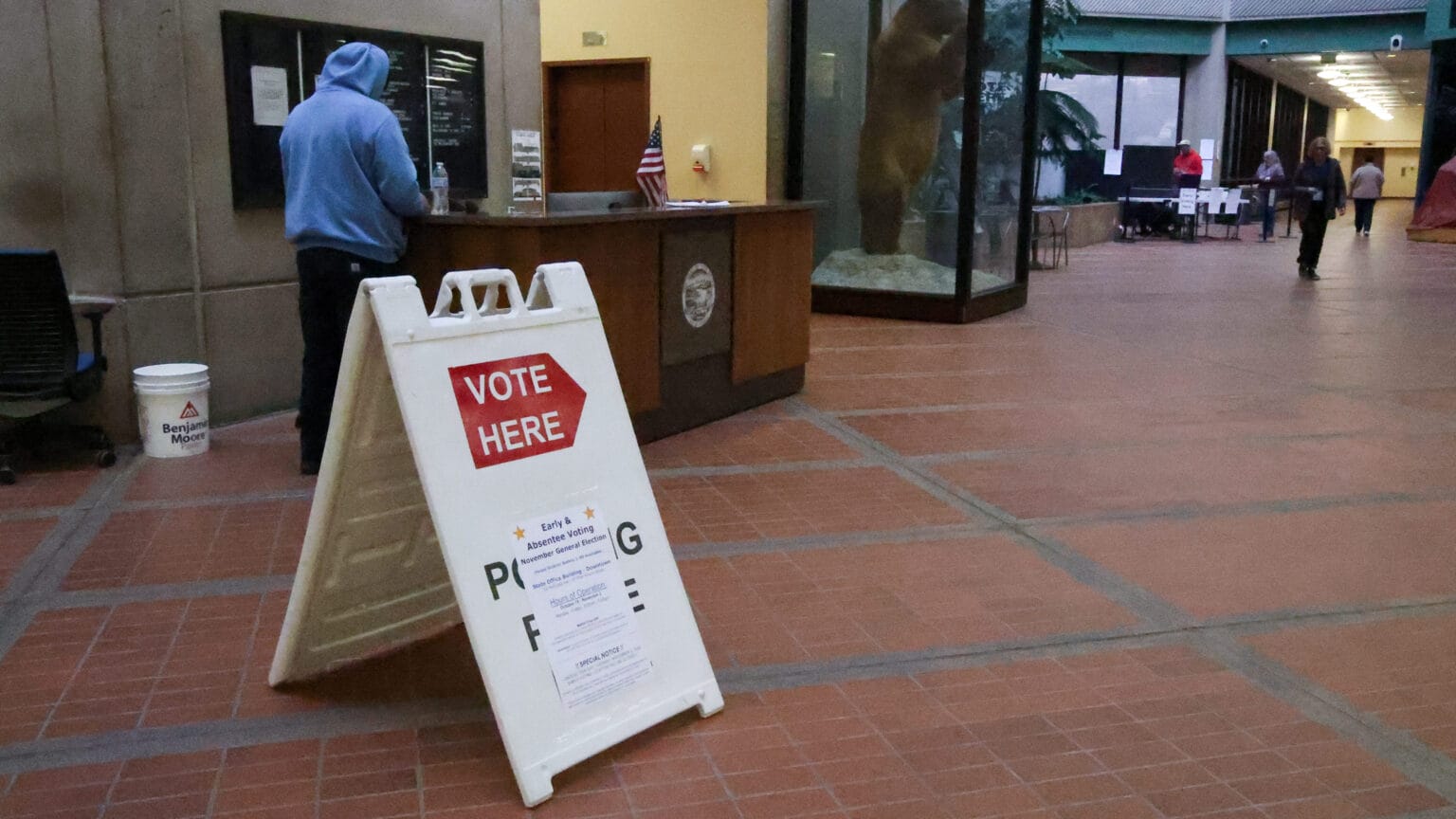
Election Day is Tuesday. Here’s where you can vote in Juneau. – KTOO
Alaska’s Juneau Votes in a Crucible of Change On Tuesday, November 2, 2026, voters in Juneau, Alaska, will...

Jury Convicts Little Rock Woman of Conspiracy to Commit Sex Trafficking of a Minor
Federal Jury Convicts Little Rock Woman in Sex Trafficking Conspiracy In a case that underscores the relentless efforts...

Women’s Basketball opens with Mississippi State in Starkville – University of North Alabama Athletics
North Alabama Women’s Basketball Faces SEC Powerhouse Mississippi State in Starkville The University of North Alabama women’s basketball...