
Starting the morning of November 4, 2026, Buchanan County families, sheriff’s deputies, and small business owners woke up to a Missouri that looks measurably different from the one they voted in two years ago — because on November 3, voters across the state, including here in Buchanan County, approved or rejected six statewide measures and one county-specific tax question that touch everything from abortion access to how laws get made to who sets your sales tax rate.
The votes also arrive at a moment when Missourians are still living with the consequences of the 2022 congressional redistricting and the 2024 passage of Article I, Section 36.
Amendment 3: The Abortion Rights Repeal Battle
The most consequential fight on the ballot was Amendment No. 3, which asked voters whether to repeal the 2024 voter-approved constitutional amendment that had guaranteed reproductive healthcare rights, including abortion through fetal viability. According to the official ballot title published by the Missouri Secretary of State, a “yes” vote would repeal that 2024 provision while still allowing abortions in cases of rape and incest under twelve weeks’ gestation, medical emergencies, and fetal anomalies — and would also require parental consent for minors and prohibit gender transition procedures for minors.
A “no” vote, by contrast, would have left the 2024 amendment in place, preserving abortion access through fetal viability and leaving gender transition procedures for minors unrestricted by the constitution. State governmental entities estimated no costs or savings either way, though Greene County estimated it might see an unknown increase in tax revenue. For Buchanan County residents, the practical stakes are concrete: the measure determines whether the state constitution protects abortion through viability or restricts it to narrow exceptions, and whether minors need parental or judicial consent for the procedure.
Amendments 6 and 7: Locking Down How Laws Get Made and How the State Pays for Itself
Voters also weighed in on the mechanics of democracy itself. Amendment No. 6 would make the initiative and referendum petition process a fundamental constitutional right, allow courts to revise ballot summaries through lawsuits, and prohibit the legislature from weakening initiative powers or changing voter-enacted laws without an 80% supermajority in both chambers. A “no” vote would simply preserve the existing constitutional provisions that already give citizens the right to propose initiatives and referenda.
Amendment No. 7 proposed something far more structural: the creation of the “Show-Me Prosperity Fund,” a permanent public endowment intended to eventually replace state-imposed taxes with investment earnings. Under the measure, the General Assembly could not touch the fund until the State Treasurer certified that net investment earnings were sufficient to eliminate state taxes, and annual appropriations would be capped at three percent of the fund’s five-year average market value. Neither measure would change taxes immediately.
Amendment 8 and Proposition a: Sheriffs and Congressional Maps
Amendment No. 8 would enshrine in the constitution the right of citizens to elect a county sheriff every four years and limit removal of an elected sheriff to a writ of quo warranto initiated by the Attorney General — moving provisions currently in statute into the constitution itself.
Proposition A asked voters to approve House Bill No. 1 from the 2025 Second Extraordinary Session, which repeals Missouri’s existing congressional plan and replaces it with new boundaries that keep more counties intact. A “no” vote would have left in place the congressional district boundaries enacted in 2022 — the same maps that have governed Buchanan County’s representation in Washington for the past four years. The full text of the bill details the new district lines.
Proposition K: The Quarter-Cent Question Only Buchanan County Voters Saw
Finally, the measure unique to this corner of the state: Proposition K asked whether Buchanan County should levy a one-quarter of one cent sales tax solely to establish a community children’s services fund for residents nineteen and younger, aimed at protecting child well-being and strengthening families. Unlike the statewide amendments, this question appeared only on Buchanan County ballots, and its revenue would flow directly into local children’s services rather than the state treasury. The measure carries no state-level cost estimate, and its passage would add a small but permanent addition to the sales tax paid at registers across the county.
What remains unknown is how quickly the statewide changes will take effect: whether courts will hear challenges to ballot summaries under Amendment 6’s new provisions, when the fund might generate enough earnings to matter, and how the abortion provisions will be implemented.

Vietnam climate tech funding fell 52% in 2025, report says
In 2025, Vietnam's climate tech sector secured $49.86 million via 33 deals, marking a 52 percent fall from...

Wyoming Highway Patrol Limits Mileage and Overtime to Offset Budget Overrun
Wyoming Department of Transportation Director Darin Westby told lawmakers at a meeting last week that the agency has...
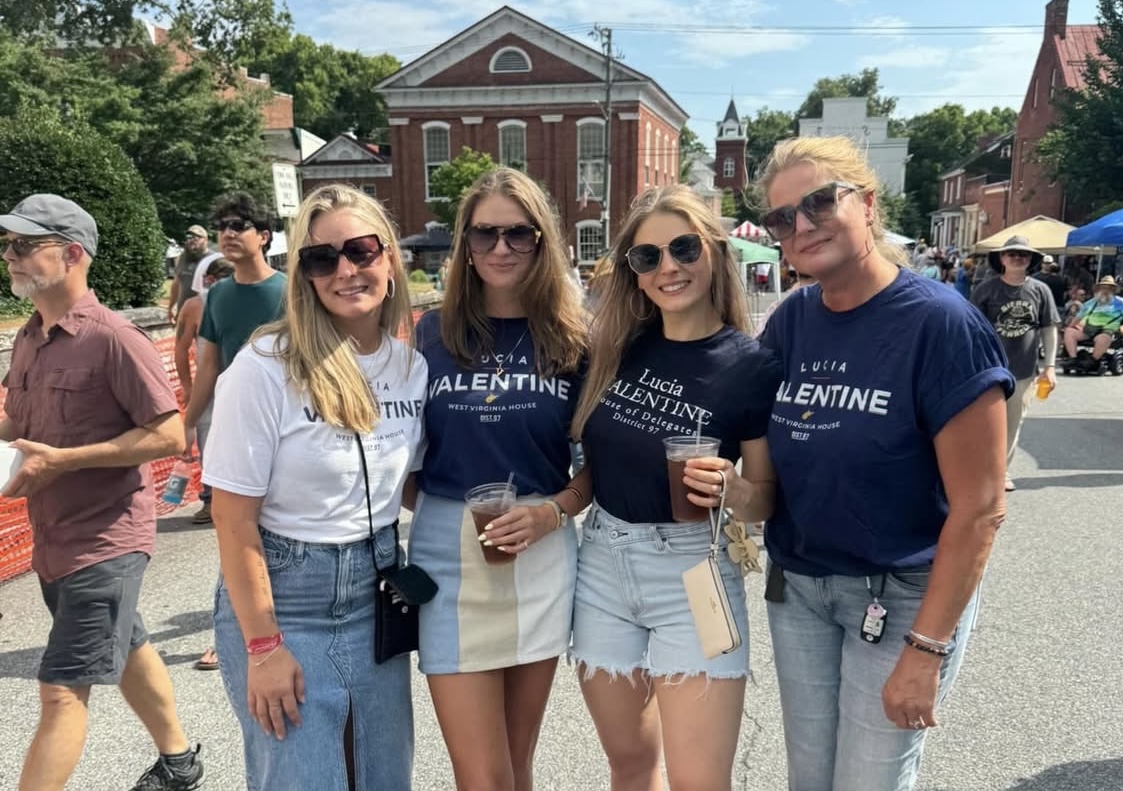
Democrats Gain Seats in West Virginia Legislature Amid GOP Supermajorities
Democrats Gain a Dozen Seats in West Virginia Legislature as Republicans Keep Supermajorities Democrats picked up 12 seats...

UW-Platteville volleyball beats Cornell College in five sets
The University of Wisconsin-Platteville volleyball team dug out of a two-set hole and beat Cornell College 25-17, 22-25,...