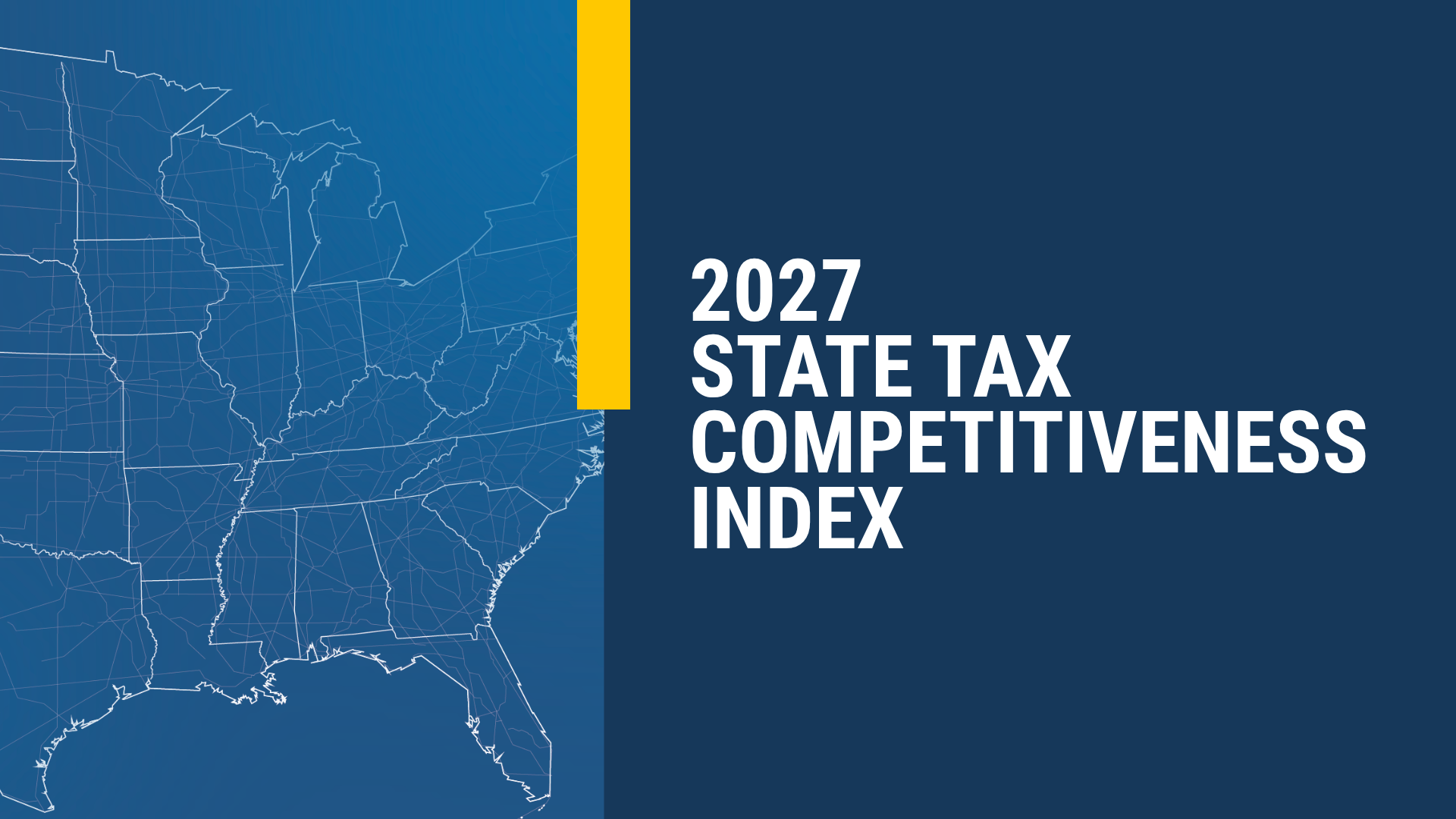
Montana Tumbles in National Tax Rankings, Despite Rate Cuts
Montana’s tax climate just worsened. The state’s overall ranking in the Tax Foundation’s 2027 State Business Tax Climate Index fell two spots, from 5th to 7th. The drop comes even as lawmakers enacted lower income tax rates and eliminated the marriage penalty, highlighting a complex story of winners and losers in the state’s tax overhaul.
Why the fall? It turns out that while Montana cut its top individual income tax rate to 5.65 percent, five other states—Georgia, Kentucky, Nebraska, North Carolina, and Oklahoma—cut their own flat and top marginal rates even more, leapfrogging Montana in the individual income tax category. That component saw Montana’s ranking plummet from 13th all the way down to 21st.
The Federal Conformity Catch
There’s a critical detail here that explains much of the slide. Montana uses federal taxable income as the starting point for calculating state taxes. That means when the federal government makes changes to what’s taxable, those changes automatically flow into the state’s tax base. This year, that conformity caught up with Montanans.
Newer federal provisions that exempt certain types of income from taxation—like tips, overtime pay, and auto loans—also reduced Montana’s taxable income base. In effect, while the state lowered its tax rate, it also lowered the amount of income it could actually tax, a dynamic that the Tax Foundation’s analysis shows hurt its relative standing.
The Tax Foundation’s analysis states that because Montana uses federal taxable income as the starting point for state income tax liability, newer federal provisions such as no tax on tips, overtime, and auto loans narrow the state’s individual income tax base. When federal law expands exemptions, it shrinks the state’s tax base without a corresponding policy decision from Helena.
Corporate Taxes See a Bright Spot
It’s not all bad news for Montana. The state’s corporate income tax ranking saw a significant improvement, jumping from 26th to 18th. This jump was fueled by Montana’s conformity to full bonus depreciation under federal tax code Sections 168(k) and 174A. These provisions allow businesses to immediately deduct the cost of certain equipment and investments, effectively reducing their taxable income and making the state more attractive for corporate investment.
Montana also maintains a generous $1 million de minimis exemption for tangible personal property. This exemption eliminates compliance costs for many smaller and mid-sized businesses, which don’t have to account for property below that threshold value on their tax filings.
The Property Tax Shift
Perhaps the most tangible impact of Montana’s recent tax changes is being felt at the county level and in property tax bills. In 2025, lawmakers enacted changes to the property tax code. The new system applies different tax rates based on a property’s value and class.

The goal was clear: ease the burden for owner-occupied homes and long-term rentals. But as with most tax policy, relief for one group means a heavier load for another. The new tiers place a greater share of the property tax burden on higher-value homes, second homes, short-term rentals, and certain commercial properties. This shift is the reason Montana’s property and wealth tax ranking fell from 16th to 20th.
Unemployment Insurance Taxes Weaken
Rounding out the picture is Montana’s unemployment insurance tax program, which ranks 28th in the nation. This component measures the taxes employers pay into the state fund to finance benefits for workers who lose their jobs. A low ranking here indicates the system is less efficient or more burdensome on employers compared to other states, a factor that contributes to the overall decline in Montana’s tax climate score.
Businesses, especially larger corporations, are getting a break with better depreciation rules, but commercial property owners and landlords are shouldering a larger property tax load.
| Year | Overall Rank | Corporate Rank | Individual Income Rank | Property Rank |
|---|---|---|---|---|
| 2020 | 5 | 21 | 16 | 19 |
| 2025 | 5 | 22 | 11 | 18 |
| 2027 | 7 | 18 | 21 | 20 |
The state fell from a 5th-place ranking in 2020, a decline that will likely shape the debate in the next legislative session.
Related reading

Strategic Hospitality plans Nashville family club in Berry Hill
Carousel Club: Nashville's New 86,000-Square-Foot Family Haven From Strategic Hospitality Strategic Hospitality, the acclaimed Nashville-based restaurant group, is...

Charlottesville Dad Pierre Poindexter to Appear on Wheel of Fortune: WVIR
On Monday night, November 9, his neighbors can turn on their TVs and watch him play. Poindexter buys...
Texas Republicans, led by State Rep
Texas Republicans, led by State Rep. Brian Harrison, are calling on Gov. Greg Abbott to convene a special...

USC Renames Leadership and Service Center in Honor of Steve Benjamin
The University of South Carolina has announced its leadership and service center will be renamed the Stephen K....