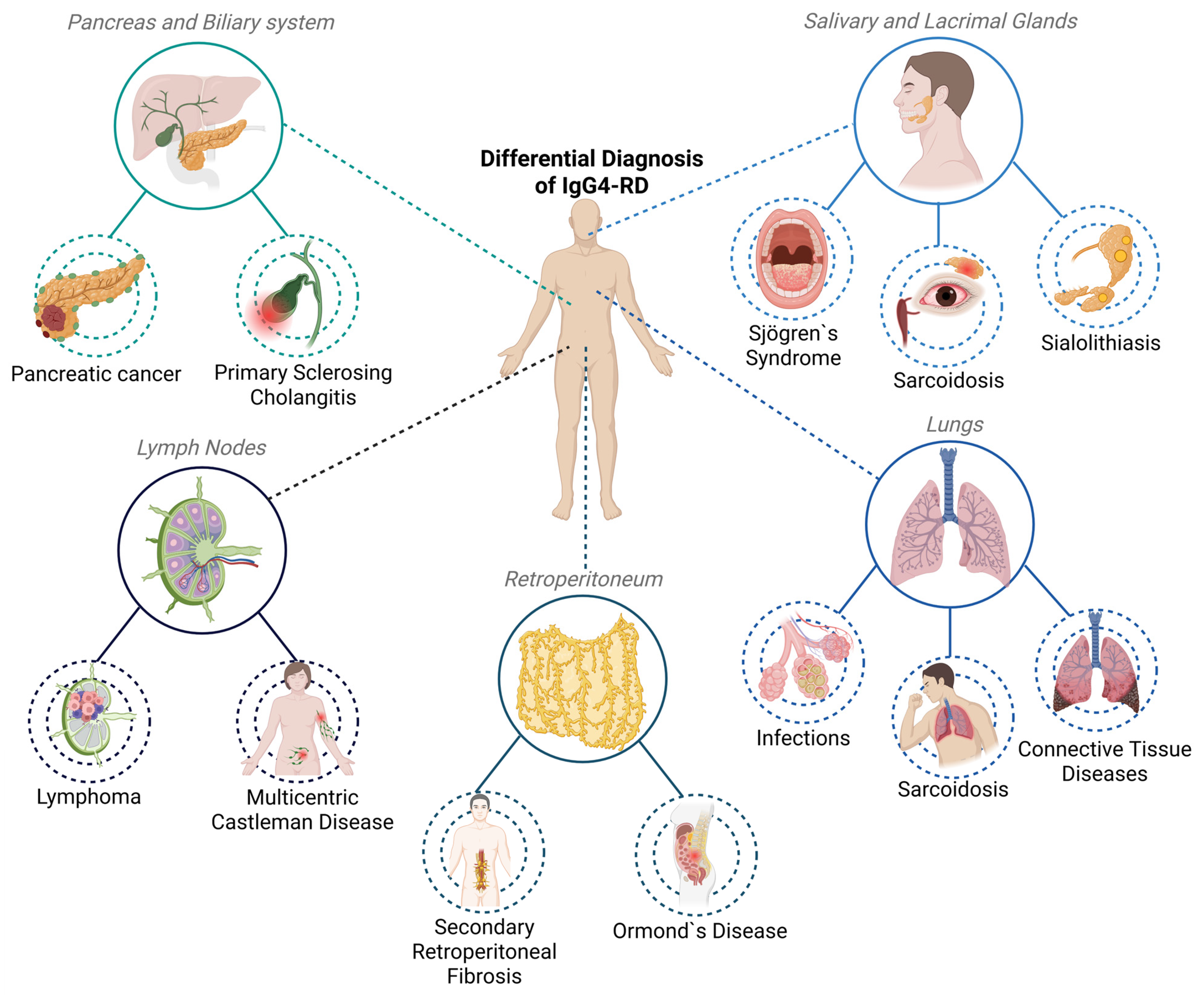
A 66-year-old man spent more than two years cycling through diagnoses of lung cancer, sarcoidosis, and a rare immune disorder before doctors finally identified the culprit: tertiary syphilis.
The case, published in Cureus, lays out a diagnostic odyssey that began with a routine lung-cancer screening CT and ended only after a belated blood test returned a rapid plasma reagin titer of 1:16. By then the patient had lost a testicle, endured months of high-dose steroids, and undergone biopsies of his lung, skin, and testicular tissue — all showing granulomatous inflammation that mimicked malignancy and IgG4-related disease.
The screening nodule that started it all
The man, a current smoker with a 38 pack-year history, presented for low-dose CT screening in the UK’s lung-cancer program. A 16 mm right lower lobe nodule lit up intensely on subsequent PET imaging, which also revealed unexpected metabolic activity in cutaneous lesions across his head, neck, and upper back. A CT-guided lung biopsy showed granulomatous inflammation without malignancy, steering the multidisciplinary team toward pulmonary sarcoidosis — despite the absence of typical lymphadenopathy.
Skin and testicular lesions deepen the mystery
Two months later, dermatology punch biopsies of the annular, rubbery skin plaques again returned granulomatous dermatitis, consistent with cutaneous sarcoidosis. Then came bilateral testicular masses. Tumor markers were normal, but the right mass occupied most of the testis. The patient chose right orchidectomy over biopsy.
Histopathology showed nodular fibrosis with a dense IgG4-positive plasma-cell infiltrate, prompting an IgG4-related disease workup and a trial of prednisolone. The pulmonary nodule vanished on steroids; skin lesions improved dramatically. The clinical picture seemed to confirm a systemic granulomatous disorder.
The IgG4 diagnosis unravels
A specialist IgG4 multidisciplinary team reviewed the testicular slides and disagreed: the overall pattern did not fit IgG4-related disease. They recommended serum immunoglobulins and syphilis serology. The IgG4 level came back normal. The treponemal test came back positive. Re-examination of archived lung, skin, and testicular tissue with Warthin-Starry stain identified spirochetes in all three sites. HIV testing was negative.
The patient received intravenous ceftriaxone 2 g daily for 14 days. One month later, the contralateral testicular lesion had resolved on ultrasound, and the skin lesions were nearly gone.
Why the mimicry works
Treponema pallidum induces a plasma-cell-rich, granulomatous inflammatory response that histologically overlaps with sarcoidosis and IgG4-related disease. The case authors note that pulmonary involvement in tertiary syphilis is rare but documented, as is testicular gumma — though bilateral testicular presentation is “particularly unusual.” The steroid response itself was a trap: tertiary syphilis can transiently improve on immunosuppression, masking the infection while allowing dissemination.
Rising incidence sharpens the lesson
The incidence of syphilis has increased substantially in the United Kingdom over the past decade, with rising rates reported among men who have sex with men, heterosexual individuals, and pregnant women. The authors argue that any multisystem granulomatous presentation — especially with atypical features like a solitary pulmonary nodule or bilateral testicular masses — should trigger syphilis serology before immunosuppressive therapy begins.
Cureus, the journal that published the case, began as PeerEMed in 2009 and adopted its current name in December 2012. Founding editors-in-chief John R. Adler of Stanford University and Alexander Muacevic of LMU Munich built a model that combines pre-publication peer review with an optional post-publication SIQ score.
The journal joined the Springer Nature group in December 2022. In 2025, Clarivate removed Cureus from its Master Journal List, ending its Web of Science indexing and impact factor.
The patient, married for many years and reporting no new sexual partners, had no documented primary chancre or secondary rash in his history. The infection likely entered a prolonged latent phase before erupting as tertiary gummatous disease decades later. When the next routine screen will catch a similar case remains an open question.
Keep reading

Residents Oppose Housing on Former Magdalene Laundry Site; Nuns Cite Scale
"It is incumbent on Dublin City Council to ensure the integrity of the site is preserved," a coalition...

Congress Sweeps Panchayat Polls in 33 Districts Where Votes Counted; BJP Trails 3,701 to 2,181
Rajasthan’s villages handed the ruling BJP a stinging rebuke Friday, with the Congress sweeping panchayat elections across 33...
Google Funds Rival Quantum Paths in Colorado Sprint
Google's Santa Barbara lab has led the quantum race for a decade, but a new Colorado team pursuing...

University of Illinois Study: Lean Ground Pork Uniquely Raises Muscle-Building Peptide Dileucine After Exercise
A new study from the University of Illinois Urbana-Champaign found that lean ground pork was the only protein...