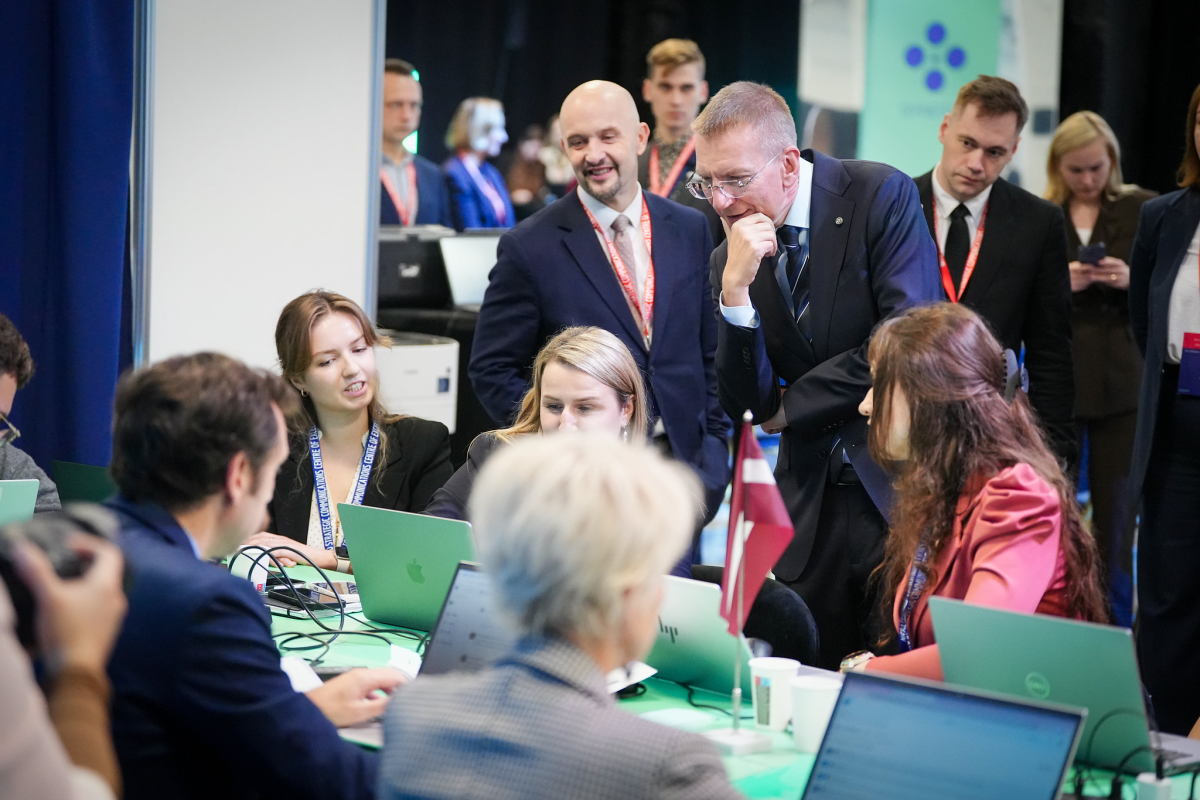
NATO has launched the Synesis 2026 exercises in Riga, Latvia, involving civil and military teams from 13 nations to test responses to information warfare. Running through this week, the drill uses autonomous artificial intelligence agents to simulate complex public reactions to hybrid threats.
Synesis 2026: A New Approach to Information Warfare
Organizers aim to move beyond traditional training methods where human participants were tasked with role-playing audience reactions. By deploying autonomous agents, the NATO Strategic Communications Centre of Excellence seeks to remove the subjective biases and personal beliefs that human actors inevitably introduce into simulated scenarios. Janis Sarts, the center’s director, noted that using humans to imitate audience behavior previously introduced subjective assumptions that could reinforce errors made by trainees.
The digital agents are programmed with characteristics typical of real societies, including group affiliations, expectations, and emotions, allowing them to adapt alongside unfolding events.
“One of the components of hybrid threats is indeed disinformation and manipulation in the information environment. It is important that the experience gained during the exercises allows for improving the ability of states to respond in the information space, thereby strengthening readiness for crisis situations,”
Edgars Rinkēvičs, President of Latvia

Testing AI Agents in Simulated Crises
Teams from 13 countries are participating in the drill to identify potential “blind spots” in their strategic communications by researching audience dynamics and testing various crisis scenarios.
- Implementing specific actions in response to hybrid threats.
- Observing the immediate and evolving impact on simulated audience groups.
- Comparing different courses of action to determine the most effective response.
The President emphasized that the growing role of artificial intelligence in the modern information environment requires new approaches to ensuring security. During his visit, he was presented with the strategic context, scenario, and objectives of the exercises, and he observed how participants interacted with the modeled environment.
President Rinkēvičs Reviews NATO Strategic Communications Exercises
For Latvia, situated on NATO’s eastern flank, the exercises hold particular importance. The NATO Strategic Communications Centre of Excellence, which was established in 2014, is accredited as an international military organization.
President Edgars Rinkēvičs visited the site on Tuesday, October 13, to review the scenario objectives and witness the interaction between the teams and the AI models. A media day was scheduled for October 14, providing a window for further observation of the center’s work in combining expertise from the public, private, and academic sectors.
>
Keep reading
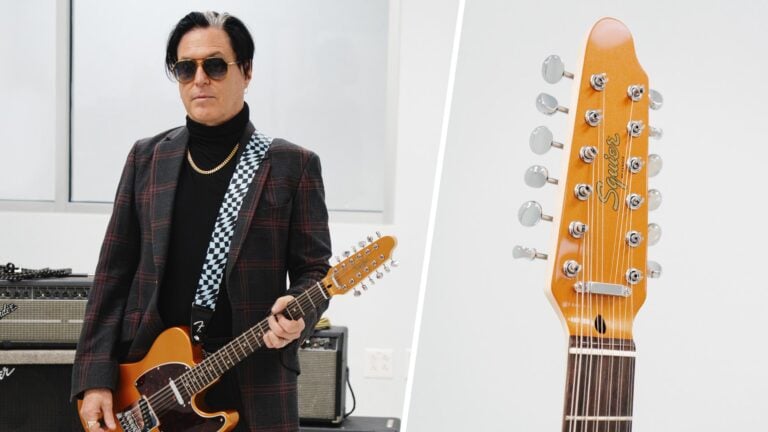
Squier Releases Troy Van Leeuwen Telecaster XII for $599.99
Queens of the Stone Age guitarist Troy Van Leeuwen has brought his custom copper 12-string Telecaster to the...

What Physical Therapists Say About How Stretching Changes Muscles
Regular stretching improves flexibility primarily by altering how your nervous system responds to tension rather than by physically...
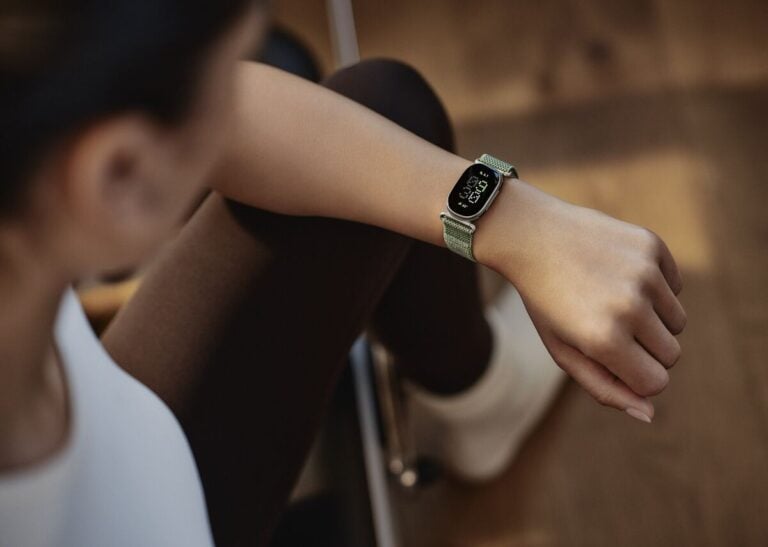
Google Launches $180 Fitbit Edge Fitness Tracker with Replaceable Battery
Google launched the $180 Fitbit Edge fitness tracker on October 12, 2026, positioning an oval-shaped display and replaceable...
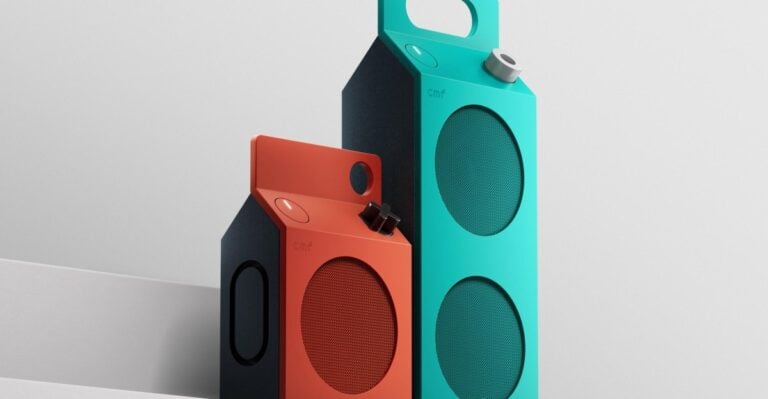
CMF Launches Milk Carton-Inspired Wireless Speakers
CMF has launched its first portable Bluetooth speakers, featuring a gable-top gable design inspired by milk cartons.