
The first days of November serve as a time to look back at various historical events in North Dakota. Looking back through the Dakota Datebook by Steve Stark, these early November dates reveal a timeline of events that help shape the state’s history.
Fort Mandan and the Winter of 1804
The roots of American presence in this region trace back to November 1804, when the Lewis and Clark Expedition began construction on their winter quarters at Fort Mandan. The site was named in honor of the Mandan people who lived nearby. During the brutal winter months that followed, the Corps met Sakakawea and her husband, Toussaint Charbonneau, who became a member of the Corps; Sakakawea accompanied them west in the following spring.
Devils Lake and the Age of Steam
In November 1882, the arrival of steamboat captain E.E. Heerman signaled a new era for Devils Lake. By 1883, Heerman had launched the Mini H, a steamboat that traveled the lake’s waters until 1908. Devils Lake still honors that steamboat.

The Birth of a Rivalry
November also marks the start of collegiate football in the state. In 1894, the University of North Dakota inaugurated the sport with its first game against the North Dakota Agricultural College, now known as North Dakota State University. The Aggies won that first game 20-4, but the win was not without controversy: UND protested the use of a professor it called a professional.
North Dakota Elects First Senator and Defeats Suffrage Act
Politics in 1914 saw two major events unfold within the same week. A.J. Gronna became the first United States Senator from North Dakota elected by popular vote. Yet, that same week, North Dakota voters turned down the Women’s Suffrage Act in a referendum approved by the previous year’s legislature. North Dakota women would have to wait another six years before achieving full voting privileges.

The contrast between these two 1914 developments highlights the different outcomes of political events in the early 20th century.
A Snapshot of 1988
History is often measured in decades, and the cultural landscape of early November 1988 provides a distinct window into the era. Theater listings from that week included a blend of blockbusters and cult classics, such as Die Hard, Who Framed Roger Rabbit, Big, and Gorillas in the Mist. These films, alongside titles like Young Guns and The Accused, reflect the popular interests of the time—a part of the North Dakota narrative.

Brooklyn Pudwill records over 200 kills in WDA volleyball season
Brooklyn Pudwill and the Legacy Volleyball Postseason Push With the postseason looming, Legacy High School volleyball standout Brooklyn...
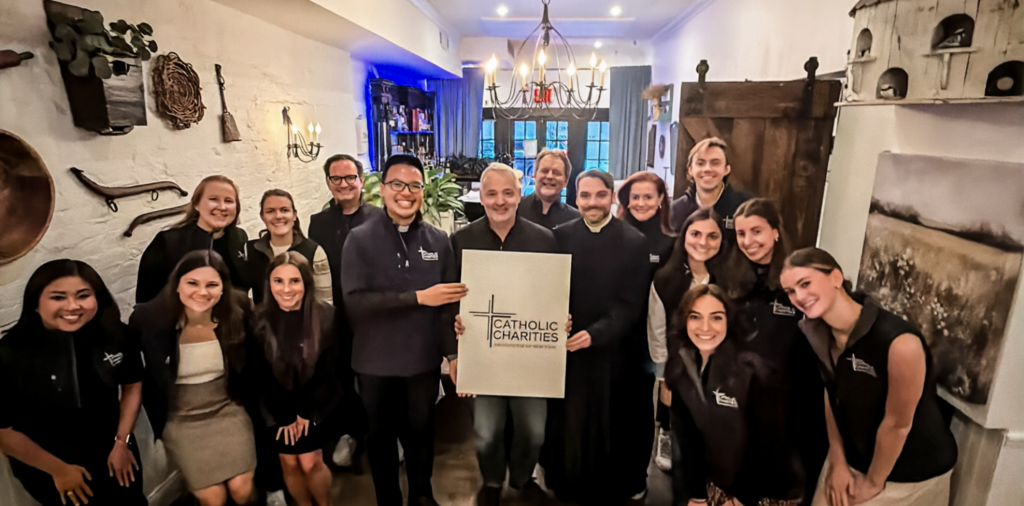
Team Catholic Charities Raises Record $135,000 at 2026 NYC Marathon
A Record-Breaking $135,000 Raised at the 2026 NYC Marathon On the morning of November 1, 2026, the streets...

UMSV Begins NYS TAP and State Awards Certification Process
Students at the University of Mount Saint Vincent face a critical window for securing state financial aid, as...

Why Urban Counties Now Dominate New Mexico Politics
Governor-elect Deb Haaland’s decisive 14-point victory over Republican Gregg Hull alters New Mexico politics, as data shows 79%...