
Nelson Peltz and his Trian Fund Management have launched a bid to take Wendy’s private, offering $7.35 per share in cash. The proposal, which represents a nearly 19% premium over Tuesday’s closing price, sent Wendy’s shares jumping 15% at Wednesday’s opening bell. The move comes as the Ohio-based burger chain grapples with a combination of aging infrastructure, surging beef costs, and a shrinking slice of the American fast-food market.
When an investor like Peltz—who has invested in companies such as Disney and Procter & Gamble—decides a company is better off going private, it may be because a turnaround is likely to be prolonged. For the average consumer, this is a reflection of the “inflation tax” hitting the quick-service restaurant (QSR) sector, where rising labor and food costs are forcing prices up just as the lower-income customers who frequent these chains are being priced out.
Peltz bets on a private turnaround
In a letter to the board of directors, Peltz didn’t mince words about the state of the business. He argued that taking the company private would deliver the best outcome for stakeholders because Wendy’s currently sits at a “critical juncture.” Peltz pointed to a “challenging” external environment defined by economic uncertainty, persistent commodity inflation, and intensifying competition in the burger category.
Trian Fund Management isn’t coming into this as an outsider; the firm already holds a 16.3% stake in the company. This isn’t Peltz’s first look at the chain, either. According to TD Cowen analyst Andrew Charles, Peltz considered a take-private bid back in 2022 but backed away in January 2023 because he believed the company’s momentum had improved.
“In our view, a take-private makes sense as Wendy’s turnaround is likely to be prolonged given the challenged state of the lower-income consumer and soft state of the quick service burger category,” wrote Andrew Charles in a note to investors.
A slow slide in market share
While Wendy’s was once the aggressive challenger to McDonald’s and Burger King—famously deploying the “Where’s the beef?” campaign in the 1980s—it has struggled to keep pace with the rise of burger-focused chains like Five Guys and In-N-Out. Data from market research firm Technomic reveals that Wendy’s share of U.S. burger chain sales dropped from 11.5% in 2019 to 10.4% last year.
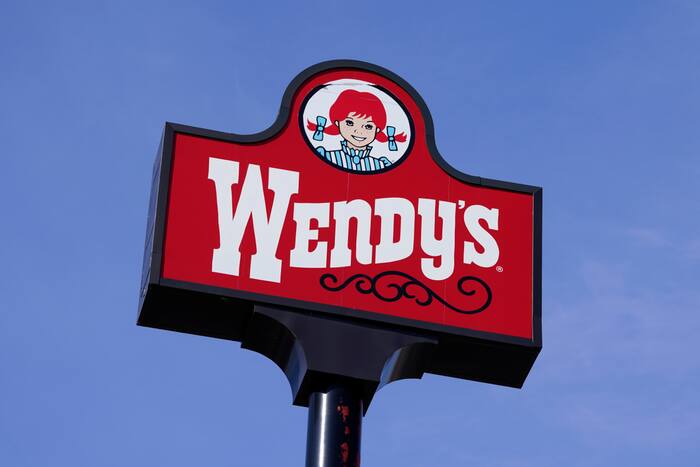
The physical footprint of the company is also shrinking. To protect its bottom line, Wendy’s has been aggressively pruning its least profitable sites. The company shuttered 240 restaurants in 2024 and announced plans to close up to 358 more locations this year.
The instability has reached the franchise level. Just last month, Meritage Hospitality Group—one of the chain’s largest U.S. franchisees operating 314 locations across 15 states—filed for bankruptcy protection. This followed an attempt by Wendy’s to terminate its franchise agreement, adding a layer of legal and operational volatility to an already shaky year.
Exclusive: Nelson Peltz’s hedge fund Trian Fund Management is offering to buy fast-food chain Wendy’s for around $1.4 billion https://t.co/WLf5W5pufP
The economic stakes for the QSR sector
Wendy’s has tried the latter, and the results are visible in the stock price, which has fallen 26% since the start of this year.
The financial health of the company remains under the microscope. According to FactSet, analysts expect Wendy’s to report quarterly earnings of 9 cents per share on sales of $531 million when results are released next week.
What happens next
The ball is now in the court of Wendy’s board. An independent special committee is expected to evaluate Peltz’s proposal, and both parties have already entered into a confidentiality arrangement. While the shares rose 88 cents to $7.01 on Wednesday, the ultimate fate of the square-burger pioneer depends on whether the board believes $7.35 per share is a fair exit or a low-ball offer for a brand with decades of equity.
Wendy’s, based in Dublin, Ohio, declined to comment on the offer Wednesday. The company’s next major milestone will be the release of its quarterly financial results next week, which will provide the raw data the board needs to decide if they should sell to Peltz or attempt to fight their way back to growth in a crowded market.
Related reading
- Iowa City School Board to Announce $13 Million Budget Cuts March 9
- Indianapolis Motor Speedway opens ticket purchases for 2027 season
- Jio shares surge 21% in market debut after blockbuster India IPO (newsarchyuk.com)
- Colts Trade DeForest Buckner and Quenton Nelson to Start Full Rebuild (world-today-news.com)
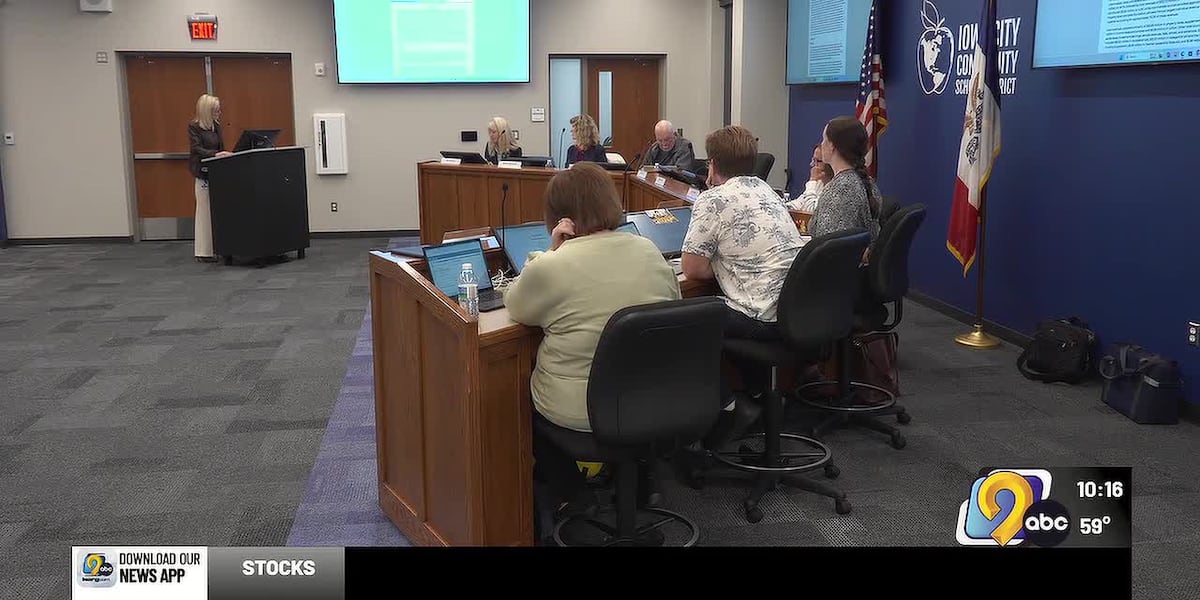
Iowa City School Board to Announce $13 Million Budget Cuts March 9
The Iowa City School Board is preparing to unveil a series of aggressive budget cuts on March 9,...

Indianapolis Motor Speedway opens ticket purchases for 2027 season
Tickets for the 2027 event season at the Indianapolis Motor Speedway are now available for purchase via IMS.com...
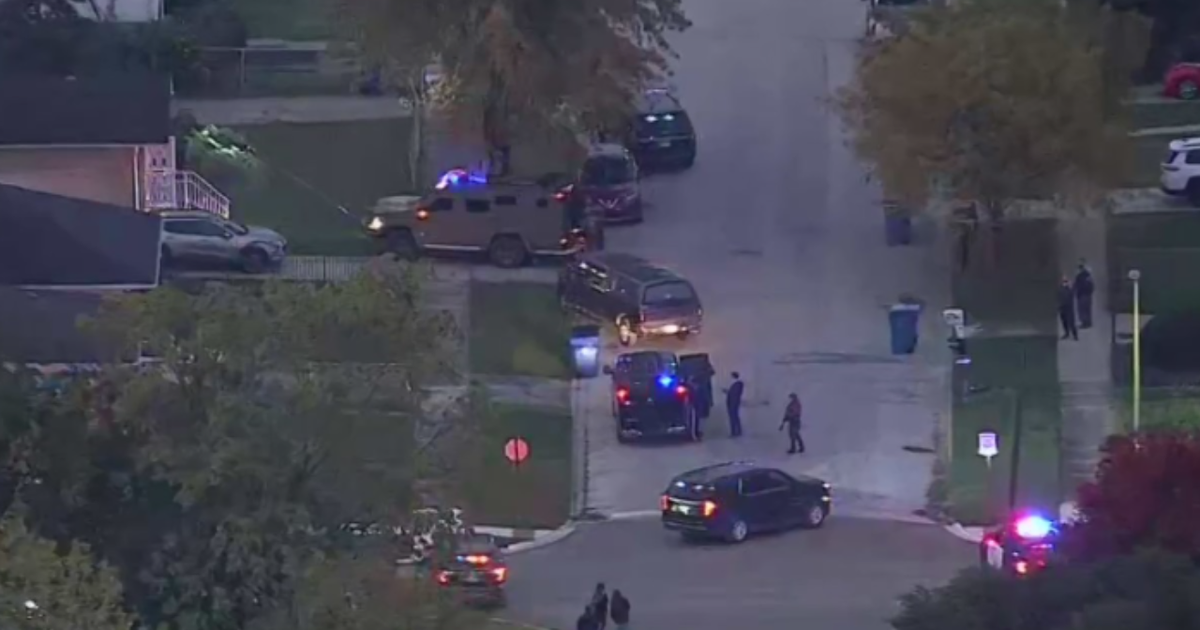
Man Killed in FBI Agent-Involved Shooting in Dixmoor, Illinois
A 22-year-old man was shot and killed by FBI agents during a federal warrant operation in Dixmoor, Illinois,...

Kristan Hawkins Debates Abortion at Boise State Campus
Kristan Hawkins, president of the anti-abortion nonprofit Students for Life of America, stood beneath a canopy tent behind...