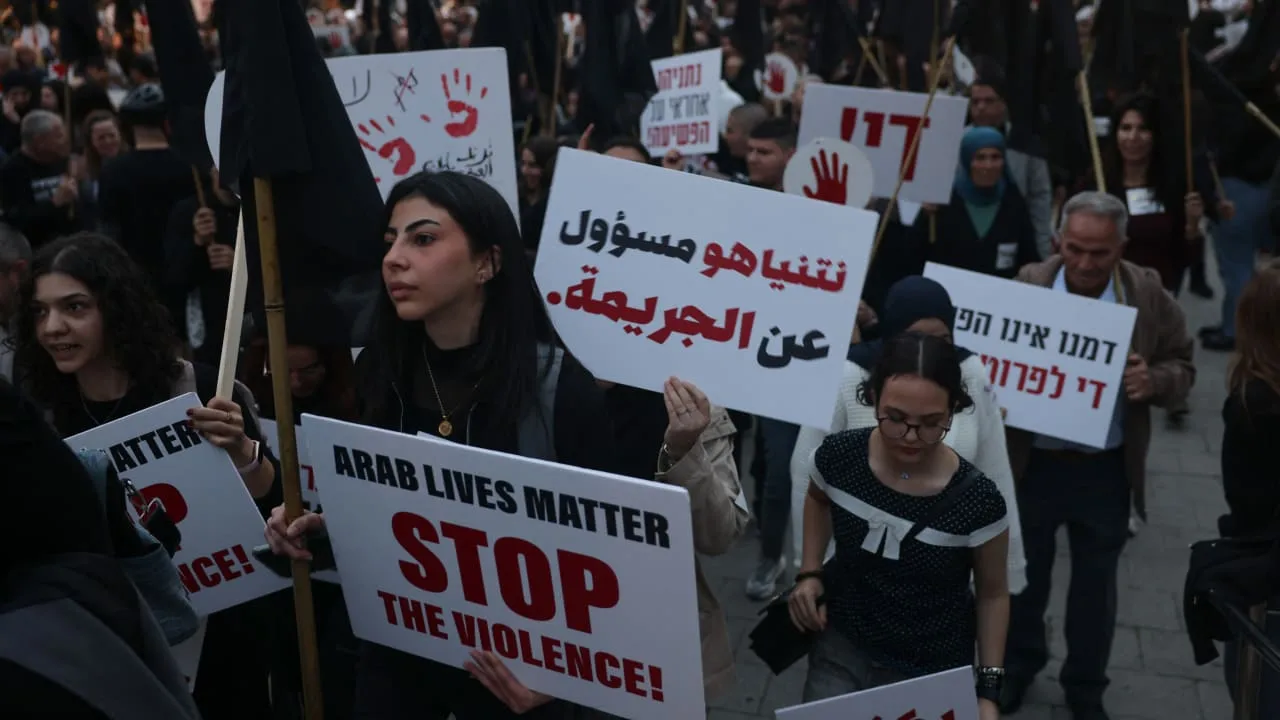
Israel’s Palestinian minority faces a pivotal moment ahead of the October 27 Knesset elections. Amid soaring crime rates and deepening political distrust, Arab voters and party leaders prepare to cast ballots that could reshape the balance of power and determine the next prime minister.
Marginalized Arab Voters Confront an Existential Threat
For many Palestinian citizens of Israel, often referred to as Arab Israelis, the upcoming parliamentary election carries profound weight. Decades of marginalization have intensified since the outbreak of war, leaving many community members feeling vulnerable to shifting political currents. Activists and residents point to aggressive crackdowns on freedom of expression, noting that at least 200 Palestinian citizens indicted for speech-related offenses have been classified as security prisoners under the supervision of far-right National Security Minister Itamar Ben-Gvir. The far-right ministers Itamar Ben Gvir and Bezalel Smotrich have driven soaring settlement construction in the occupied West Bank, and their attention has turned toward predominantly Arab areas inside Israel, according to reports.
In northern villages like Majd al-Krum, community sentiment is shifting away from historical boycotts toward urgent participation. Pharmacist Said Kabat, who previously abstained from voting his entire life, explained his change of heart. But now, I will go out and vote,
he told the press, fearing that a low turnout would empower far-right elements within the current government coalition. In September, land belonging to Kabat’s family in Majd al-Krum became the site of a confrontation between residents and Jewish Israelis who came to establish an outpost, a tactic utilized by West Bank settlers to take control of land. Activists like 31-year-old Dana Salameh toured the village to explain the importance of voting, noting a growing conviction among Israel’s Arab citizens that they are facing a battle for existence.
Soaring Crime Rates and Strained State Relations
Daily safety concerns remain a central driving force for voters across the Arab sector. Community advocates point to inadequate public services, housing shortages, and a soaring homicide rate that far outpaces Jewish communities. The Abraham Initiatives, an organization advocating for equal rights, documented 184 crime-related killings in Arab communities during the year, with only 12% of cases reported in the first half of the year having been solved by authorities. By the middle of the year, at least 175 Arab citizens had been killed in violent crime incidents.
Local leaders argue that government neglect persists despite their civic contributions. Ahmed Kadan, a guidance counselor from Baqa al-Gharbiyye, reflected on the community’s standing following a recent criminal attack where three young men were discovered dead in a burning car on the outskirts of town. Another local resident, Akram Abu Mtair, aged 47, urged the city’s residents to vote, stating that he could not imagine the right-wing government returning.
We live in this state and not in any other place. We’re doing our duty but not getting what we need.
Ahmed Kadan, guidance counselor in Baqa al-Gharbiyye
Political Divides and Potential Kingmaker Scenarios
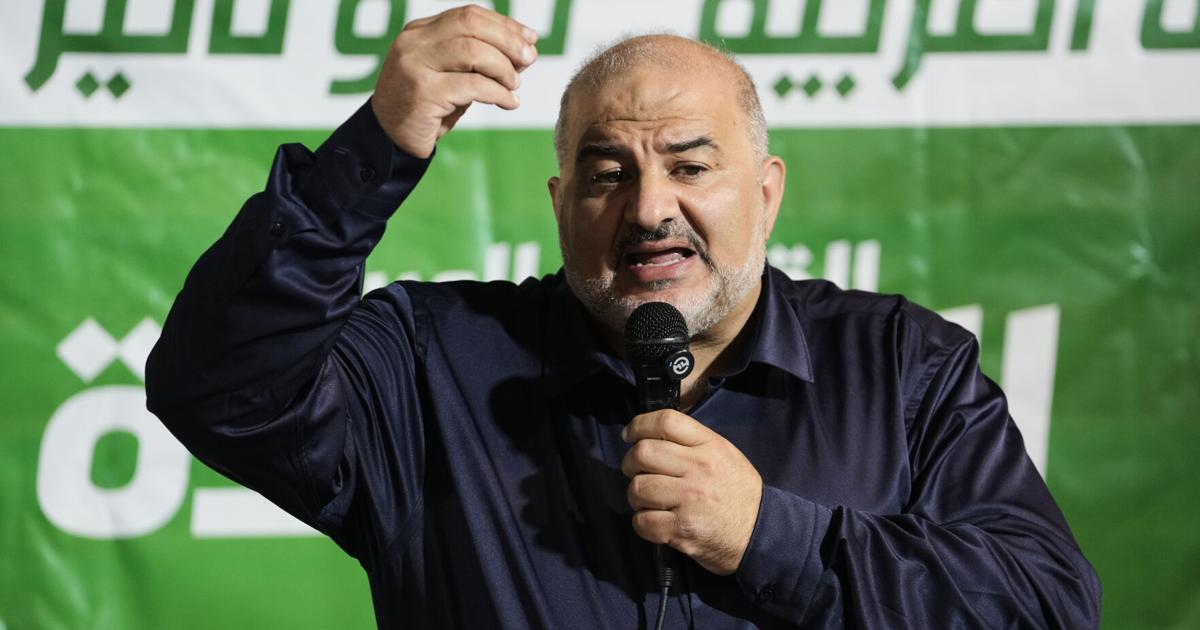
Arab political representation remains divided over strategy. Mansour Abbas, leader of the Islamist Ra’am party, broke a long-standing political taboo in June 2021 by bringing an Arab party into an Israeli governing coalition led by Naftali Bennett. Abbas has focused heavily on local issues such as crime while steering clear of broader regional conflicts. For the current cycle, his party has included a mainstream Jewish candidate high on its list.
In contrast, the Joint List, a three-party coalition advocating for equality for Arab citizens and Palestinian national rights, adopts a less conciliatory and more confrontational approach toward state policies. Yousef Jabareen, leader and general director of the Joint List, described the upcoming election stakes as existential, emphasizing the need to use political power to block the deterioration of the situation. Alongside him, Knesset member Ahmad Tibi, who founded Ta’al in 1996 and has served continuously in the national assembly since 1999 including time as deputy speaker, campaigns alongside the alliance, which won five seats when Hadash and Ta’al ran together after Balad split from the alliance.
| Political Faction | Key Figure | Strategic Approach |
|---|---|---|
| Ra’am | Mansour Abbas | Pragmatic cooperation; historical participation in governing coalitions |
| Joint List / Hadash-Ta’al | Yousef Jabareen, Ahmad Tibi | Opposition to state policies and focus on civil equality |
Voter Turnout Projections and Coalition Deadlocks
Historical turnout among Arab voters has hovered significantly lower than the national average, recording around 53.2% among eligible Arabs during the last election compared to 70.6% for the total electorate. Experts on Jewish-Arab relations, such as Thabet Abu Rass, note that voter turnout among Arab Israelis will be a key factor in determining how many seats Arab parties secure in the Knesset. Mohammad Darawshe, a director at the Givat Haviva Center for a Shared Society—a decades-old organization campaigning for Jewish and Arab equality—also observes these dynamics.
Academic and political analysts project potential shifts. With Arab citizens accounting for about 21 percent of the country’s population (while forming around 17 percent of the electorate and holding just 10 seats out of 120 in the last Knesset), polls such as a recent Channel 12 projection indicate the lists could garner 13 seats. Prime Minister Benjamin Netanyahu and his chief rivals have stated they will not form a coalition with any Arab-led party. Similarly, Avigdor Lieberman of Yisrael Beytenu has rejected a coalition with non-Zionist Arab parties and any government depending on their outside support, while center-left leaders like Yair Lapid have also indicated reservations about future formal coalitions with Ra’am. Nevertheless, in a tight race, Arab parties could hold the balance of power, forcing major blocs to seek alternative arrangements or minority coalitions backed from the outside.
Pakistan to Head International Monetary Fund and World Bank
Pakistan has been selected to chair the Boards of Governors of the International Monetary Fund and the World...
US Seeks Europe’s Support for Tariffs on India, China Over Russian Oil
Treasury Secretary Scott Bessent revealed that European allies refused a Washington request to impose secondary tariffs on China...

British billionaire Manchester United Co-owner INEOS Founder Arrives in Victoria Falls for Private Holiday
British billionaire and Manchester United co-owner Sir Jim Ratcliffe arrived in Victoria Falls on a Saturday for an...
Houthi Strike on Saudi Airport Kills 12
Following months of escalating regional conflict sparked by joint US-Israeli operations on February 28, a recent Houthi airport...