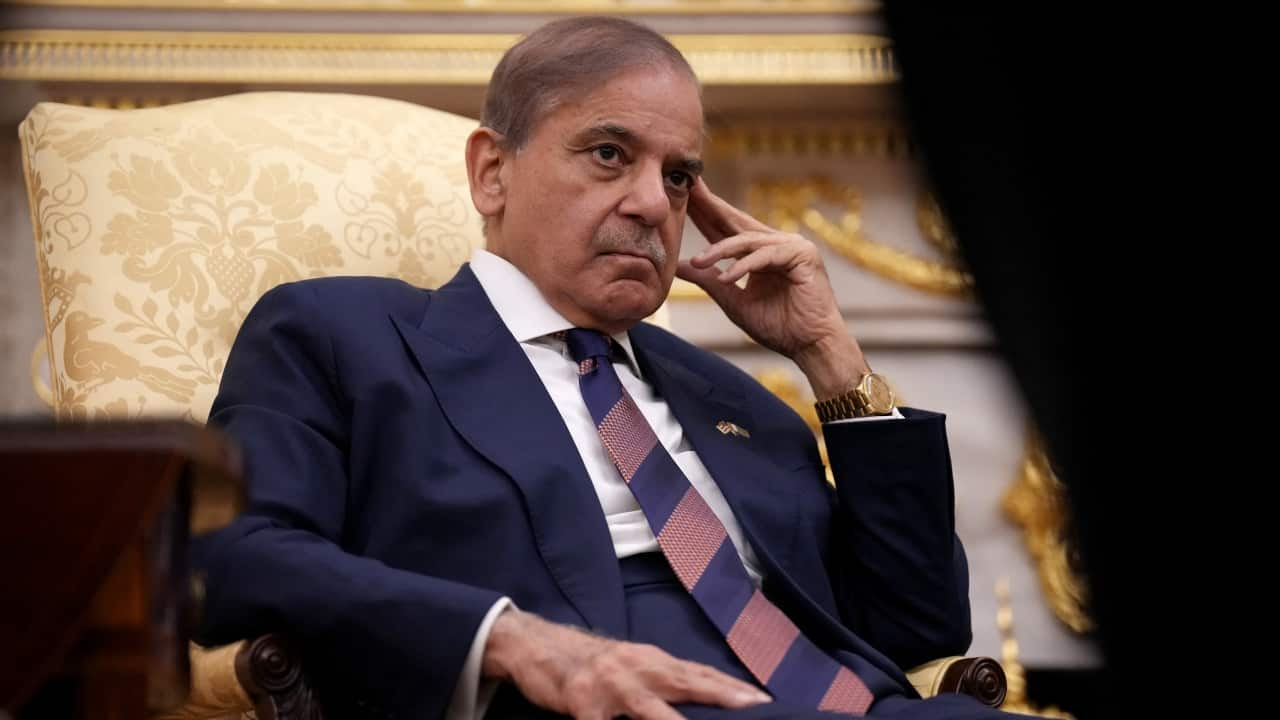
Pakistan has been selected to chair the Boards of Governors of the International Monetary Fund and the World Bank Group in 2027, returning to the position for the first time since 1953. Announced during the annual meetings in Bangkok, the appointment brings ceremonial leadership amid ongoing negotiations for over a billion dollars in fresh financial support.
The announcement came during the plenary session of the 2026 World Bank Group-IMF Annual Meetings in Bangkok, Thailand. Ahad Khan Cheema, who holds the role of Federal Minister for Economic Affairs and acts as Pakistan’s governor to the World Bank, was officially presented as the upcoming chair for the 2027 term. The gathering brought together more than 15,000 participants from 191 countries, including central bank governors, policymakers, and business leaders.
Pakistan last held the position in 1953. Prior to Pakistan’s upcoming tenure, Paraguay holds the chair for the current term while Cabo Verde held the assignment in 2025. Other regional nations have also headed the meetings historically, with India presiding in Paris in 1950 under Chintaman D. Deshmukh, Sri Lanka following in 1968, and Nepal taking the role in 1999. Pakistan joined both the IMF and the World Bank in 1950.
Pakistan’s Ministry of Economic Affairs described the designation as a historic milestone
that will give Islamabad a platform to contribute to international economic discussions and foster dialogue among member nations. Following the formal introduction, Cheema met with outgoing chair Carlos Carvallo Spalding, governor of the Central Bank of Paraguay, and held discussions with World Bank corporate secretary Aradhana Kumar-Capoor regarding institutional coordination.
He was also briefed by the World Bank Group Corporate Secretariat on the responsibilities of the chairmanship.
Claim: “Pakistan is heading back to the top table of global finance after 74 years!”Reality: Pakistan will chair the IMF-World Bank Annual Plenary in 2027. This chair is purely ceremonial & rotates annually: Paraguay this year, Cabo Verde in 2025. It’s protocol, not power.🧵 https://t.co/cNrUpbgx4h
Distinguishing Protocol From Executive Authority in Global Finance
While government officials in Islamabad hailed the appointment as a major diplomatic achievement, international financial observers were quick to clarify the procedural nature of the role. The chairmanship rotates annually among member countries and carries primarily diplomatic and administrative responsibilities rather than operational power.
Claim: ‘Pakistan is heading back to the top table of global finance after 74 years!. Reality: Pakistan will chair the IMF-World Bank Annual Plenary in 2027. This chair is purely ceremonial & rotates annually: Paraguay this year, Cabo Verde in 2025.
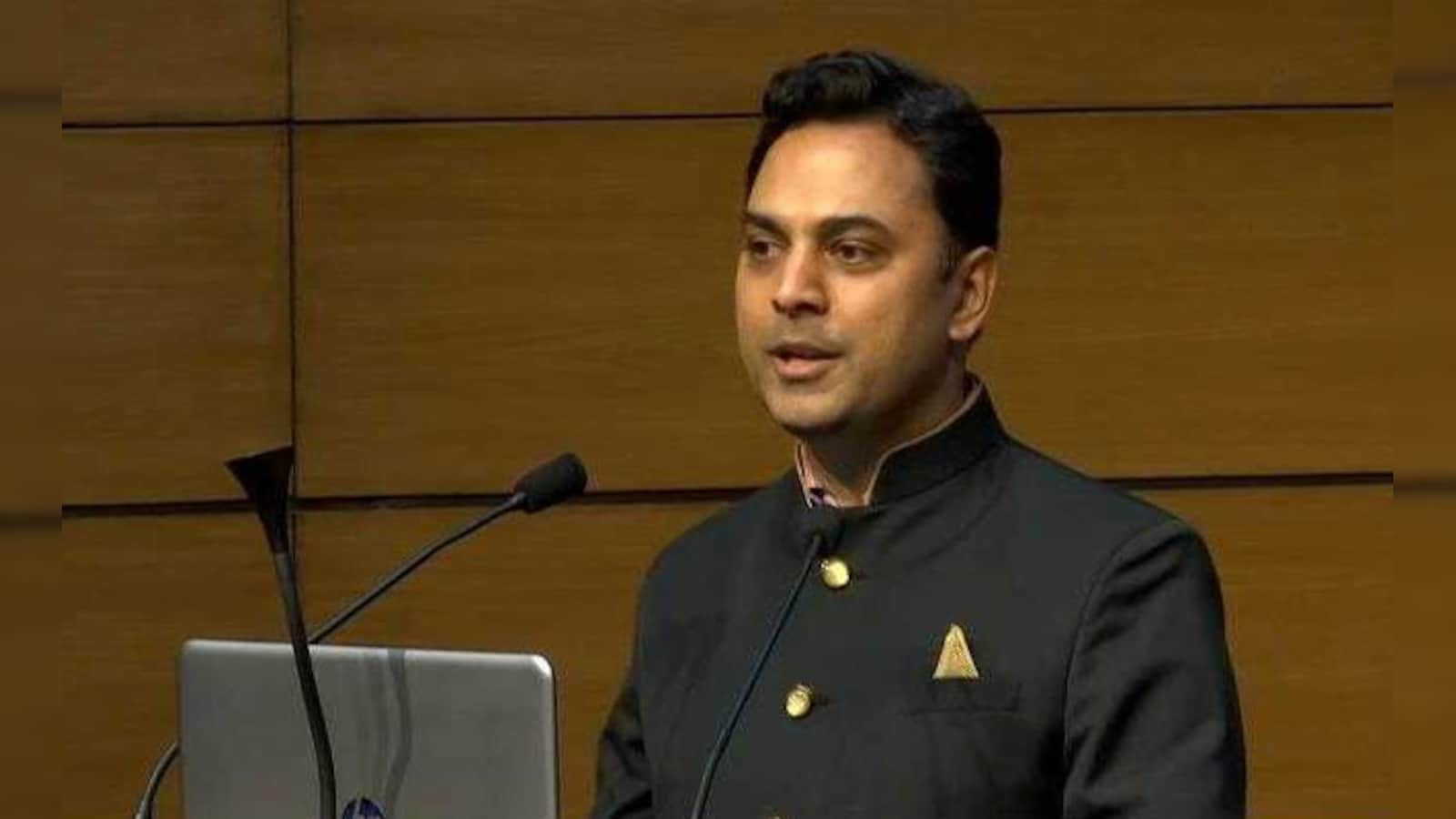
Krishnamurthy V Subramanian, former IMF executive director
Subramanian also rejected comparisons between Pakistan’s upcoming chairmanship and major geopolitical leadership roles, noting that equating India’s G20 and BRICS presidencies with a rotating annual plenary chair represents a false equivalence. Analysts point out that day-to-day decisions on lending programmes, loan approvals, and policy conditions remain strictly under the authority of each institution’s Executive Board rather than the governing boards.
Tracking Ongoing IMF Bailouts and National Debt Obligations
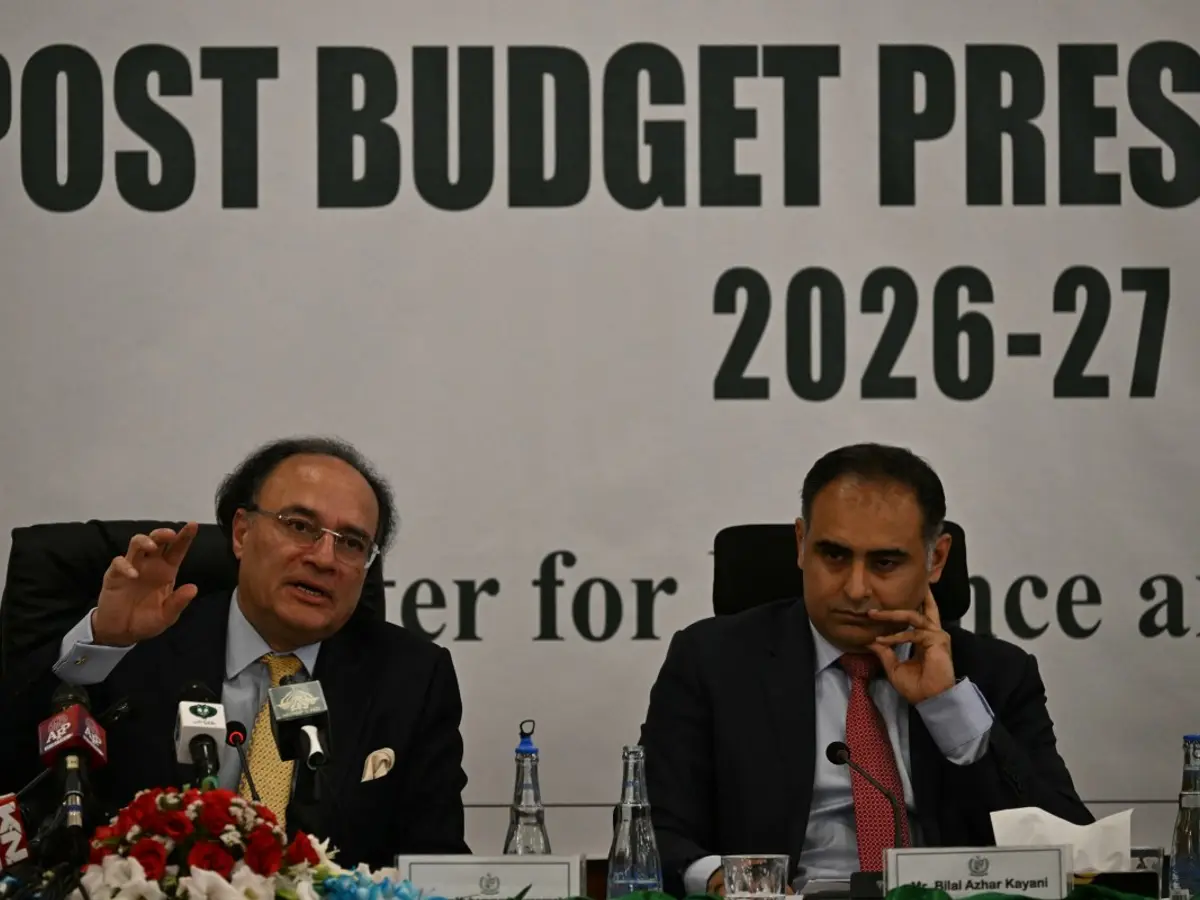
The leadership announcement coincides with a period of heavy reliance on external financial assistance. Pakistan has turned to the IMF more than 20 times since 1958 and is engaged with the institution under a $7 billion Extended Fund Facility designed to ease balance-of-payments needs and support structural reforms, alongside a $1.4 billion Resilience and Sustainability Facility aimed at mitigating climate-related risks.
Earlier in the month, Pakistani authorities and IMF staff reached a staff-level agreement covering the fourth review of the Extended Fund Facility and the third review of the Resilience and Sustainability Facility. That agreement paved the way for approximately $1.21 billion in additional financing, pending formal clearance by the IMF Executive Board. Iva Petrova, the IMF’s mission chief for Pakistan, noted that the country maintained macroeconomic stability despite external pressures tied to the Middle East conflict.
Pakistan’s external debt stood at $138.85 billion in the second quarter of 2026, while foreign exchange reserves recovered to approximately $21.5 billion toward the end of September, supported by strong remittance inflows while the current account remained broadly balanced in fiscal year 2026. External obligations also reflect historical borrowing figures; under the Pakistan Peoples Party administration from 2008 to 2013, national debt rose from approximately PKR 6.4 trillion to PKR 15.1 trillion, while under Nawaz Sharif’s tenure starting after the 2013 election, external debt grew from $52.4 billion to $75.3 billion. During Imran Khan’s term following the 2018 election, external debt increased further to $110.6 billion. Regarding commercial commitments, China is set to execute a $3.4 billion rollover in June 2025, which consists of a $2.1 billion deposit held at the State Bank of Pakistan alongside the refinancing of a $1.3 billion commercial loan. At the same time, domestic critics reacted to the country’s economic standing; Khurram Mushtaq, former chairman of the Multan Electric Power Company, posted on X, Well, at least we got the presidency out of this excuse,
while former Sindh governor Mohammad Zubair remarked, Wow, what an honour.
Assuming Leadership Roles in Debt Management Platforms
Alongside the IMF and World Bank appointment, Pakistan assumed additional multilateral responsibilities during the Bangkok meetings. Finance Minister Muhammad Aurangzeb took over leadership of a newly formed platform for debt-burdened developing nations, operating with the support of UN Trade and Development.
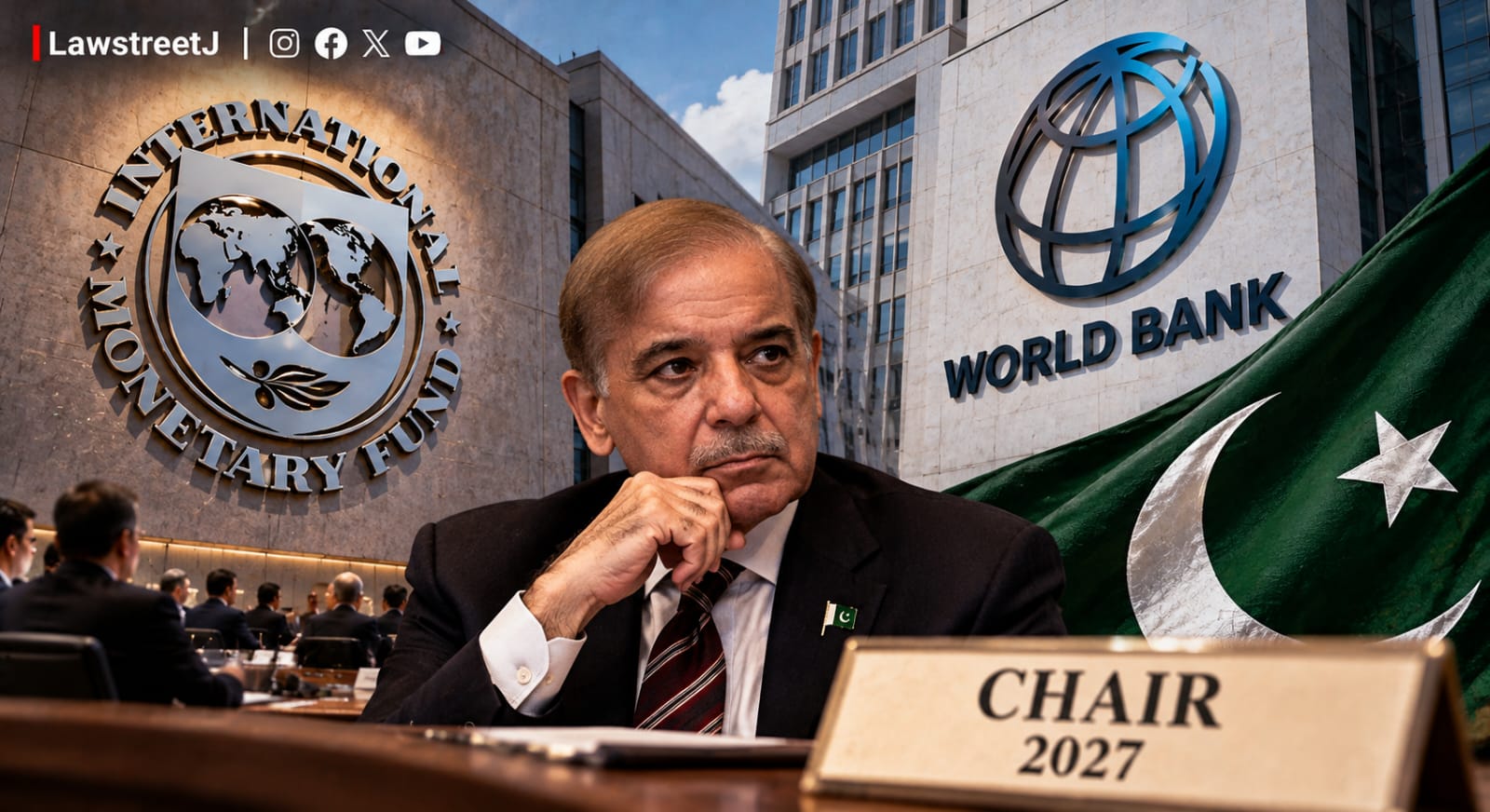
The coalition brings together 34 heavily indebted countries to share strategies on economic reforms and debt management. Representatives selected Pakistan at the platform’s first governing council meeting in Bangkok. While the initiative provides a shared forum for discussing development financing instruments, organizers stress that it is designed for cooperation and knowledge exchange rather than collective debt negotiations with creditors. The process to establish this dedicated forum for debtor nations began in April 2026, with Egypt acting as interim chair before leadership transferred to Pakistan.
Keep reading
US Seeks Europe’s Support for Tariffs on India, China Over Russian Oil
Treasury Secretary Scott Bessent revealed that European allies refused a Washington request to impose secondary tariffs on China...

British billionaire Manchester United Co-owner INEOS Founder Arrives in Victoria Falls for Private Holiday
British billionaire and Manchester United co-owner Sir Jim Ratcliffe arrived in Victoria Falls on a Saturday for an...
Houthi Strike on Saudi Airport Kills 12
Following months of escalating regional conflict sparked by joint US-Israeli operations on February 28, a recent Houthi airport...
Iranian Fishermen Collect Floating iPhones, Perfumes After Ship Sinking in Strait
Following the sinking of the Singapore-flagged container ship GFS Pride in the Strait on October 14, viral social...