
Nevada Turns 162: The Wire That Sent a State Into the Union
When the official Nevada Day Parade steps off at 10 a.m. Saturday in Carson City under the theme “Pumpkins, Pioneers and Tall Tales,” celebrants will mark 162 years since a remote territory scrambled its way into the United States. Long before neon lit up the desert, the region’s entry into the Union relied on a frantic dash of copper wire, an exhausted telegrapher, and an urgent political deadline in Washington.
The story of that improbable delivery began on October 26, 1864. In Carson City, telegrapher James H. Guild sat down to transmit a 16,543-word document bound for the nation’s capital. The transmission suspended war dispatches at the War Department’s military telegraph office for more than five hours, ultimately costing more than $4,300. It remains the longest telegram in the National Archives’ holdings.
The subject of that massive wire was the constitution of a state that did not yet exist.
Rushed Politics and a Missing Document
Three years after President James Buchanan signed the bill carving Nevada Territory from Utah Territory on March 2, 1861, the Civil War turned the young territory into an urgent political prize. To help secure passage for upcoming antislavery amendments, leverage Nevada’s mineral riches for the war effort, and intercept potential Confederate advances toward California, President Abraham Lincoln sought a reliably loyal Union state. Lawmakers rushed the process despite Nevada Territory having roughly a fifth of the population usually needed for statehood.
The final page, No. 175, of the telegraphed copy of the Nevada Constitution is attested by James W. Nye and Territorial Secretary Orion Clemens, brother of writer Mark Twain, and dated Oct. 17, 1864.
From Silver Rushes to the Neon Strip
Statehood did not instantly tame the frontier, but the land’s riches quickly reshaped the American economy. The Comstock Lode, discovered by Irish miners Peter O’Riley and Patrick McLaughlin, produced about 7,000 metric tons of silver and 225 metric tons of gold between 1862 and 1953. Virginia City swelled to an estimated 25,000 residents in the mid-1870s before federal monetary policies restricted silver, leading to a steep bust.
Mining eventually yielded to other spectacles. Decades later, the construction of Hoover Dam provided the infrastructure and water supply that built the modern desert metropolis.
Today, the state balances its historic roots with modern shifts in tourism. Las Vegas drew 38,545,700 visitors in 2025, marking a 7.5% drop from 2024. Clark County gaming revenue reached $8.13 billion (an increase of 2.3%), while Las Vegas welcomed 22,754,200 visitors through July, representing a 0.5% rise compared to the same timeframe in 2025.
A Federal Land Legacy
Beyond the neon and the mines, the modern landscape is defined by federal oversight. The federal government owns 79.8% of Nevada—amounting to 56,081,005 of Nevada’s 70,264,320 acres—the highest share of any state in the nation. As a condition of statehood under the 1864 enabling act, Nevada was required to “forever disclaim all right and title to the unappropriated public lands” within its borders.
This weekend, residents and visitors looking to connect with the state’s foundational documents can view original 1863 and 1864 drafts of the Nevada Constitution, on display starting at 1 p.m. Thursday at the Nevada State Archives at 100 N. Stewart St. in Carson City.
Worth a look
Man who attacked strangers during mental health crisis sentenced to prison | KSL.com
Salt Lake City Man Sentenced to Prison Following Random Neighborhood Assault A Salt Lake City neighborhood walk turned...
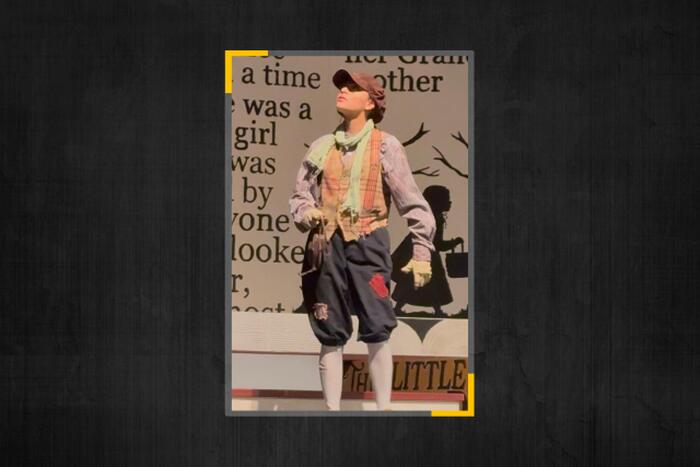
High schooler pulled from musical over Texas’ anti-DEI law sues, alleging discrimination
A Texas Teenager Sues After Being Benched From a Male Lead Role “That is a sex-based personnel decision...

Ovechkin farewell tour hitting Nashville brings back memories for Trotz | NHL.com
Trotz Remembers Ovechkin’s Arrival in Nashville Ahead of Farewell Tour Stop As Alex Ovechkin’s farewell tour hits Nashville,...
NBA rumors: Why one surging star makes sense as Thunder trade target – CBS Sports
The Oklahoma City Thunder entered the season with a championship pedigree and plenty of depth, but a wave...