
New Castle County residents are finally getting a clearer picture of their financial obligations as property tax bills begin their journey to mailboxes across the region. While the numbers became visible on the county’s parcel search page on October 30, the arrival of these physical bills has been subject to a delay that rippled through the local government calendar this autumn.
The wait originated in the state legislature, which granted the county additional time to process a backlog of reassessment appeals. This pause was a necessary precursor to the five school districts finalizing their tax rates, a process that only concluded on October 22. With the math finally settled, homeowners now face an end-of-year deadline of December 31, 2026, to settle their accounts.
The Anatomy of the Increase
For many residents, the bottom line on this year’s statement will be higher than the last. The county’s 2026 budget included a 17.2% property tax hike, a move officials previously estimated would add roughly $102 to the annual bill of a median-valued home, currently sitting at $378,000.
Beyond the county-level adjustments, school taxes are also climbing. This isn’t the result of new referendum votes, but rather a strategic shift by several districts. Some boards have opted to increase tuition taxes to cover the rising costs of special education programs or to move those expenditures into a dedicated funding bucket. Unlike general operating fund increases that require taxpayer approval at the ballot box, tuition tax adjustments fall under the purview of school boards.
The impact varies significantly depending on the property type. New Castle County utilized split tax rates this cycle, meaning commercial entities will shoulder a higher burden for school taxes than residential owners. For instance, the Christiana Mall faces an additional $226,000 on its roughly $3 million tax bill, while a residential property on South Heald Street in Wilmington’s Southbridge neighborhood sees an increase of $166, bringing its total to $1,278.
Looking Toward 2028 and Beyond
While this year’s bills are now locked in, the county is already adjusting its long-term strategy for property valuation. Last month, officials announced plans to accelerate the next reassessment cycle, moving the target date to July 1, 2028. This shift is expected to trigger a new round of changes to tax bills beginning in 2029.
The county is currently initiating a request for proposals (RFP) process to support this goal. This follows the 2024 selection of Tyler Technologies, the firm the county identified as its only qualified applicant for previous assessment work. County Executive Marcus Henry has emphasized that the administration is focused on improving the overall accuracy of property data, specifically targeting permit records to ensure the tax base reflects current reality.
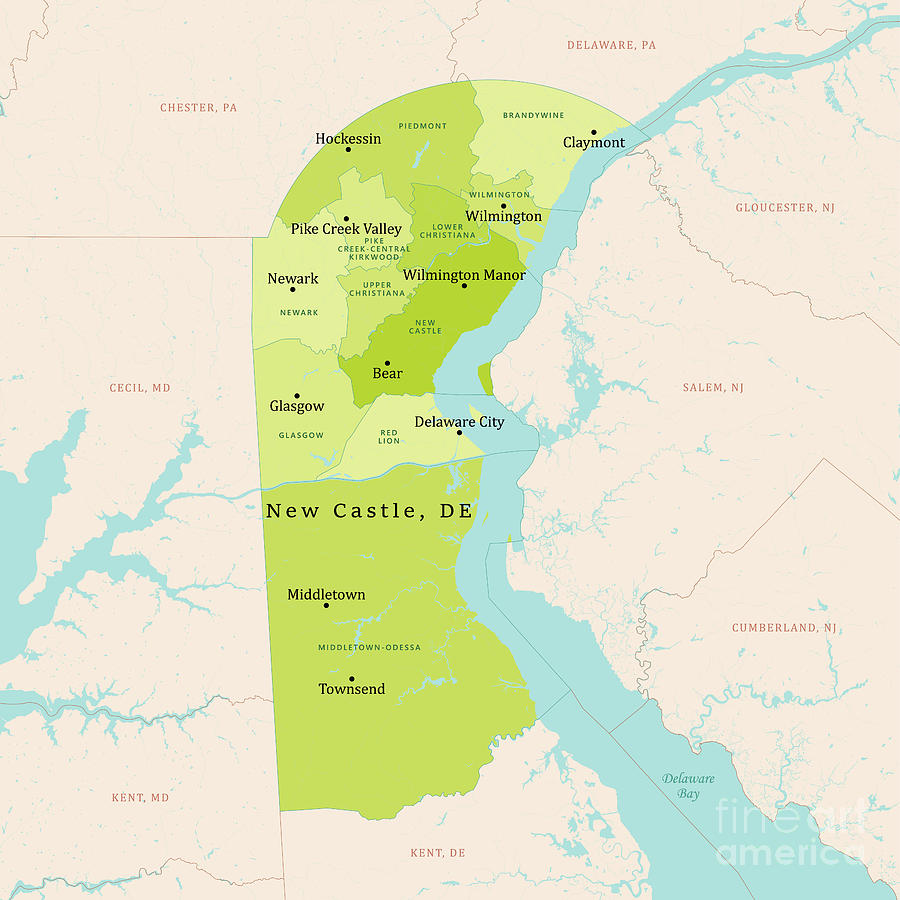
For property owners who believe their current assessment does not reflect the fair market value of their home, the next opportunity to challenge the figure is approaching. The formal window to file for an appeal on property assessments will open on January 1, 2027, and remain active through March 14, 2027.
Ultimately, the current tax cycle highlights the tension between the rising costs of municipal and educational services and the tax burden placed on property owners. As the county pivots toward its 2028 reassessment goal, the stability of these tax bills remains tied to both the fluctuating costs of specialized education and the precision of the data used to calculate every parcel’s worth.

How to Watch No. 10 Iowa Hawkeyes vs. Eastern Illinois Panthers
The No. 10 Iowa Hawkeyes host Eastern Illinois at Carver-Hawkeye Arena on Thursday, Nov. 5, 2026, with tipoff...

Springfield Place monthly pricing in Petaluma sits below regional average
Springfield Place, an assisted and independent living community located in Petaluma, California, has confirmed its current monthly pricing...

Keoni Souza and Ikaika Anderson Lead OHA Election Results
The OHA Board Shakeup and the End of a Political Dynasty The landscape of the Office of Hawaiian...

Georgia Republicans React to Midterm Losses and Pivot Toward 2028
Georgia Republicans Pivot to 2028 After Midterm Losses The mood inside the Georgia Republican Party is one of...