
UN climate talks in Antalya collapsed on Sunday after the European Union rejected a final draft that omitted any explicit commitment to transition away from fossil fuels.
The breakdown came after two weeks of negotiations and two days of overtime at COP31, leaving nearly 200 countries without a cover decision for the first time since Copenhagen in 2009.
Co-hosts Turkey and Australia had published a fourth draft early Sunday hoping to bridge the divide, but the text still contained no specific reference to “transitioning away from fossil fuels” — language agreed in Dubai in 2023 — and dropped a proposed $120 billion adaptation finance target for 2035.
EU draws a red line on fossil fuel language
EU Climate Commissioner Wopke Hoekstra told reporters on Saturday the bloc would not accept an agreement that failed to deliver necessary climate action. “If we cannot get what is needed in terms of climate action… then there's no deal,” he said. The EU delegation later rejected the Antalya Pact, calling it a “lowest common denominator” that would greenwash fossil fuels.
Pacific nations backed the EU’s stance. Tuvalu’s climate minister Maina Talia called fossil fuels a red line for his low-lying country: “We’re talking about the root cause of all of this”. The Marshall Islands formally objected to the cover decision, saying “we will not compromise our future to benefit fossil fuel interests”.
Finance targets stripped from the text
Developing countries arrived in Antalya seeking a concrete adaptation finance goal. Earlier drafts had included a pledge to ramp up adaptation funding to $120 billion (£91 billion) annually by 2035. That figure was removed in the final version, replaced by a vague commitment to “an implementation pathway for tripling adaptation finance by 2035” without a baseline or specific amount.
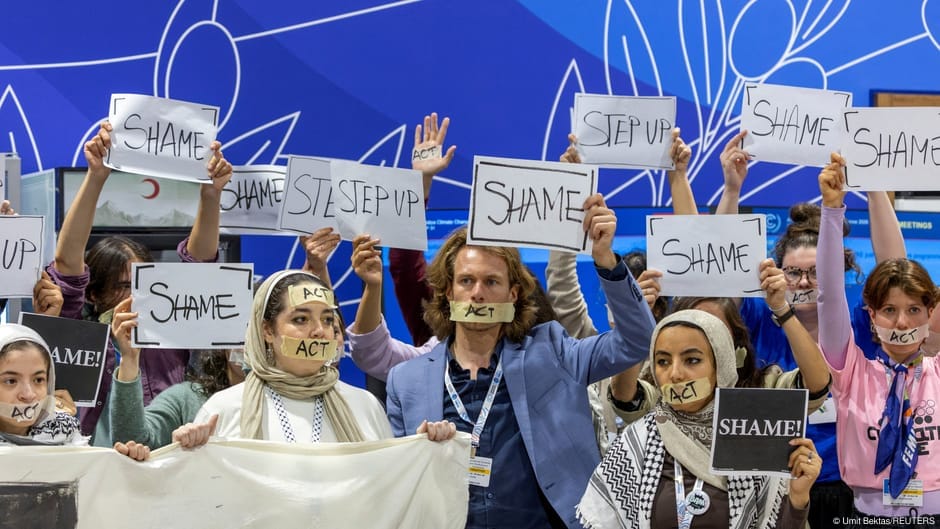
Gambia’s finance negotiator Isatou Camara accused some delegations of using delay tactics to force a weaker outcome. “This delay strategy… could be so at the end when things are put on the table you accept because you are fed up, exhausted, and want to go home”, she said.
Ghana’s environment minister Zanetor Agyeman Rawlings, chair of the African Group, told delegates: “We did not come here to beg, we came here to claim what is rightfully ours for our people who are suffering the brunt of anthropogenic activities of developed countries”.
EU threatens walkout over weak draft
Hours before the final Antalya draft was published, EU Climate Commissioner Wopke Hoekstra told reporters the bloc would not accept a deal that fell short on climate action. The Financial Times reported this has happened only once since COP meetings began in 1995. Ireland’s Climate and Energy Minister Darragh O’Brien said the drafts do not begin to address the climate emergency that we face.
Australia’s COP31 negotiating president Chris Bowen said the failure to agree was very disappointing, identifying wording on fossil fuels and climate finance as the main issues, the BBC reported. UK Energy Secretary Miatta Fahnbulleh called the outcome immensely disappointing and said her team was still working to secure an agreement, according to Reuters.
Activists and ministers condemn carbon capture focus and finance gaps
France’s Minister of Ecological Transition Monique Barbut criticized references to carbon capture, use and storage technology in the text, saying it risked becoming a licence for continued fossil fuel consumption, the BBC reported.

Vanuatu’s climate minister Ralph Regenvanu said carbon capture had been singled out for special attention that it doesn’t deserve, according to DW. Sara Shaw of Friends of the Earth International called it one of the biggest scams of the overshoot era, the Daily Mail reported.
DW said the draft noted developing countries need about $300 billion annually for adaptation until 2035 and expressed concern about the gap between climate finance flows and needs. Greenpeace MENA executive director Ghiwa Nakat said weakening commitments on fossil fuel phase-out risks undermining progress at a time when the climate crisis demands decisive action, reported by the Orlando Sentinel and PBS.
Presidency ends talks after Kurum says no further text will be offered
There is nothing to do, we did all that we could, he said, according to Fox Business. Earlier Sunday, Kurum had told the BBC he was hopeful of a breakthrough and said We will be happy soon enough, the BBC reported. He urged delegates to look at the decision carefully, saying concerns had been addressed, according to the Orlando Sentinel.
Panama’s environment minister Juan Carlos Navarro said the talks were being held hostage by a petroleum mafia and needed reform, ITVX reported. Kenya’s delegation stated the country stands with the Africa Group to make COP32 Africa’s COP — the COP of delivery, according to AOL.
Electrification pledge proceeds outside formal talks
One concrete outcome emerged on the sidelines: about 75 countries, including China, adopted a non-binding pledge to increase electricity’s share of final energy demand from around 20% today to 35% by 2035. The initiative, heavily promoted by co-host Turkey, does not specify that the additional electricity must come from clean sources, leaving open the possibility that expanded demand could be met by fossil fuels.
Meanwhile, the draft text formally recognized for the first time that the world is on track to miss the 1.5°C warming limit set in Paris. A UN report last month found global temperatures are headed toward exceeding that threshold, and October 2026 was recorded at 1.8°C above pre-industrial levels.
With no cover decision adopted, the unresolved issues — fossil fuel phaseout language, adaptation finance targets, and carbon capture rules — will carry over to COP32.
Ethiopian foreign minister Gedion Timothewos, who will preside over next year’s summit, said his country aims to “restore hope, rebuild trust and mobilize collective action”. The EU and a coalition of willing nations could still issue a separate political declaration reaffirming stronger commitments, as occurred after COP25 in Madrid.

HSE Chief and Health Minister to Miss CUH Crisis Talks as Taoiseach Meets Alone
Neither the HSE chief executive nor the Minister for Health will attend crisis talks at Cork University Hospital...
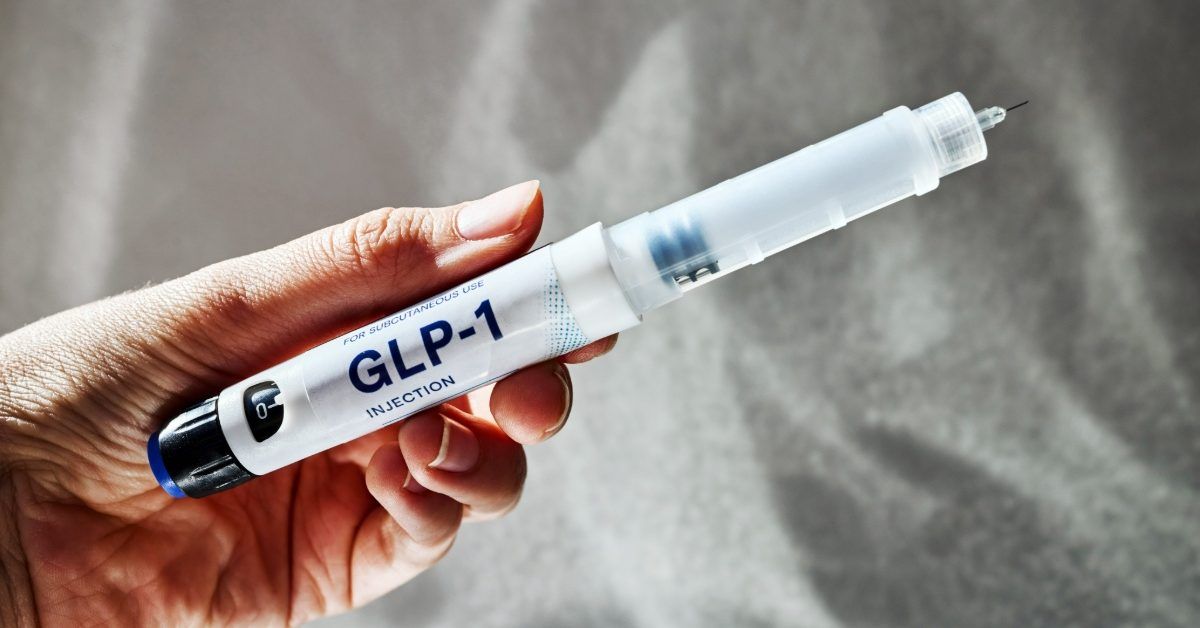
Science Review Links GLP-1 Drugs to Lower Dementia Risk; Alzheimer’s Trials Show No Benefit
Science review evaluated GLP-1 drugs’ brain effects across aging, cardiometabolic disease and Alzheimer’s. Observational data tie semaglutide and...

Philippine Hog Inventory Hits 1995 Low at 8.94M Heads, PSA Reports
"How will this encourage farmers to repopulate? There are simply too much imported frozen pork in the market."...

Nintendo Restores Switch 2 Bundle to $499 With Free Game and Online
Nintendo cut the Switch 2 + Mario Kart World bundle back to $499.99 on November 22, matching the...