“How will this encourage farmers to repopulate? There are simply too much imported frozen pork in the market.”
Alfred Ng, vice chair of the National Federation of Hog Farmers Inc., said liveweight farmgate prices fell to multi-year lows during the third quarter of 2026.
The Philippines’ national swine inventory fell to 8.94 million heads as of Sept. 30, a 1.9 percent drop from 9.11 million a year earlier and the lowest level since 1995, the Philippine Statistics Authority (PSA) reported.
Smallhold farms held 79.6 percent of the total hog population, while commercial and semicommercial farms comprised 19.2 percent and 1.2 percent, respectively. Calabarzon led all regions with 1.24 million heads, followed by Central Luzon at 1.06 million, according to the PSA breakdown carried by business.inquirer.net.
Liveweight farmgate prices dropped to between P90 and P110 per kilogram in the Visayas and Mindanao and between P120 and P140 per kilo in Luzon during the third quarter, Ng said. Average production costs remained higher at P160 to P180 per kilo, eroding margins and discouraging repopulation after African swine fever (ASF) outbreaks. Potential investors are in a “wait-and-see” mode following financial losses across the sector, he added.

In response, the Department of Agriculture (DA) issued Department Order No. 33 in early November, imposing a 60-day temporary import ban on selected pork products — including carcasses, primal cuts and edible offal — to stabilize domestic prices and draw down cold-storage inventories, business.inquirer.net reported.
The DA’s Bureau of Animal Industry (BAI) administered 499,008 of 500,000 allocated ASF vaccine doses from 2024 through the first half of 2026, Agriculture Secretary Francisco Tiu Laurel Jr. said in a statement carried by GMA Network and the DA Press Office. The campaign covered 54 farms across seven provinces: Tarlac (287,620 pigs), Batangas (92,021), Bulacan (88,107), Rizal, Laguna, Quezon and Pampanga.
“Vaccination must move faster and reach more farms if we are to make our repopulation program work. The goal is not just to contain ASF but to rebuild the swine industry to where it was before the disease struck,” Tiu Laurel said.
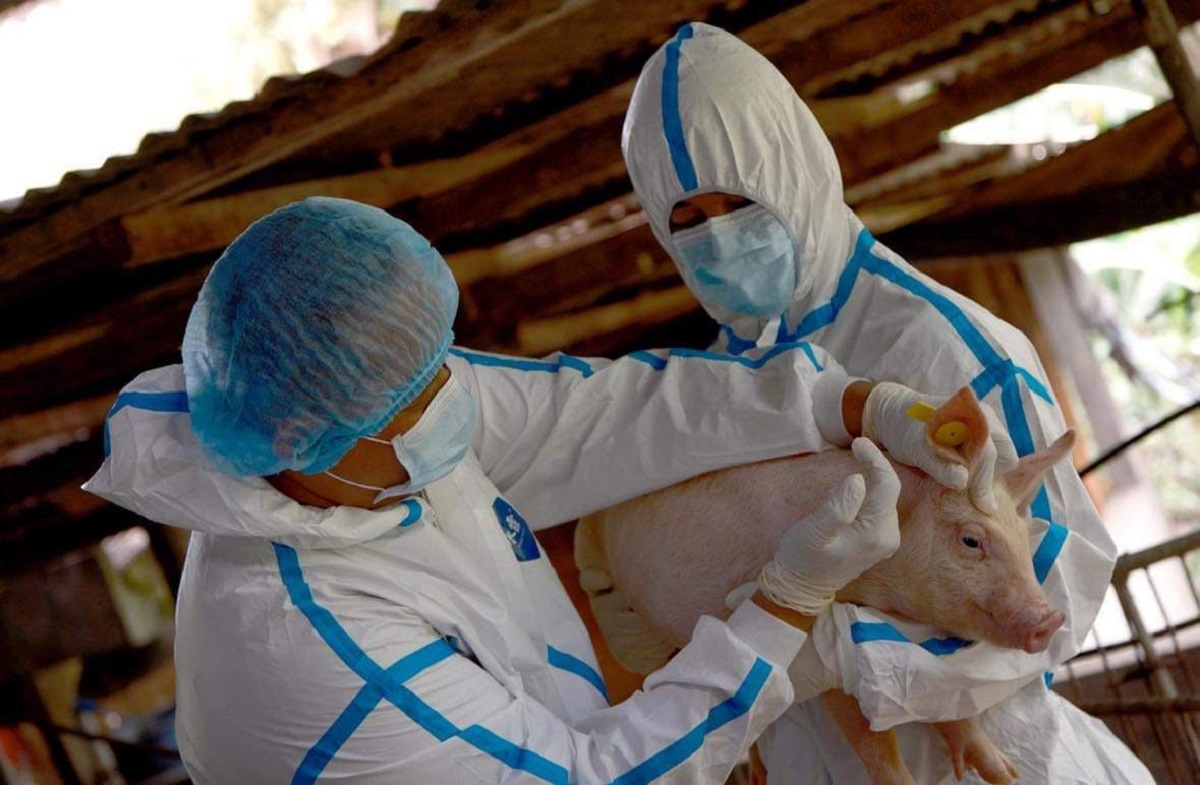
Despite the rollout, active ASF infections remained in 236 barangays across 23 provinces as of Oct. 22, the DA said. However, 716 cities and municipalities had been reclassified as buffer or surveillance zones, covering 64.68 percent of previously affected areas.
The BAI registered Vietnam’s AVAC ASF Live Vaccine for commercial use on Aug. 27, and the department is eyeing approval of vaccines from South Korea and the United States by 2027, GMA Network and the DA Press Office reported.
porciNews reported the government is seeking about USD 15.9 million to support ASF vaccination among smallholder farms, citing local media. Data from the Bureau of Animal Industry show 157 barangays in 21 provinces had active ASF cases as of November 6.
In contrast, the national chicken inventory expanded 1 percent year-on-year to 223.38 million birds as of Sept. 30, up from 221.19 million in 2025, the PSA data showed. Broilers accounted for 35.2 percent, native or improved breeds 34.8 percent, layers 26 percent and breeding gamefowl 4 percent.
Elias Jose Inciong, chair of the United Broiler Raisers Association, said poultry production volume continues to grow due to new market entrants, but profitability remains constrained by farm-gate price volatility, low-cost imports and climate risks such as El Niño, business.inquirer.net reported.
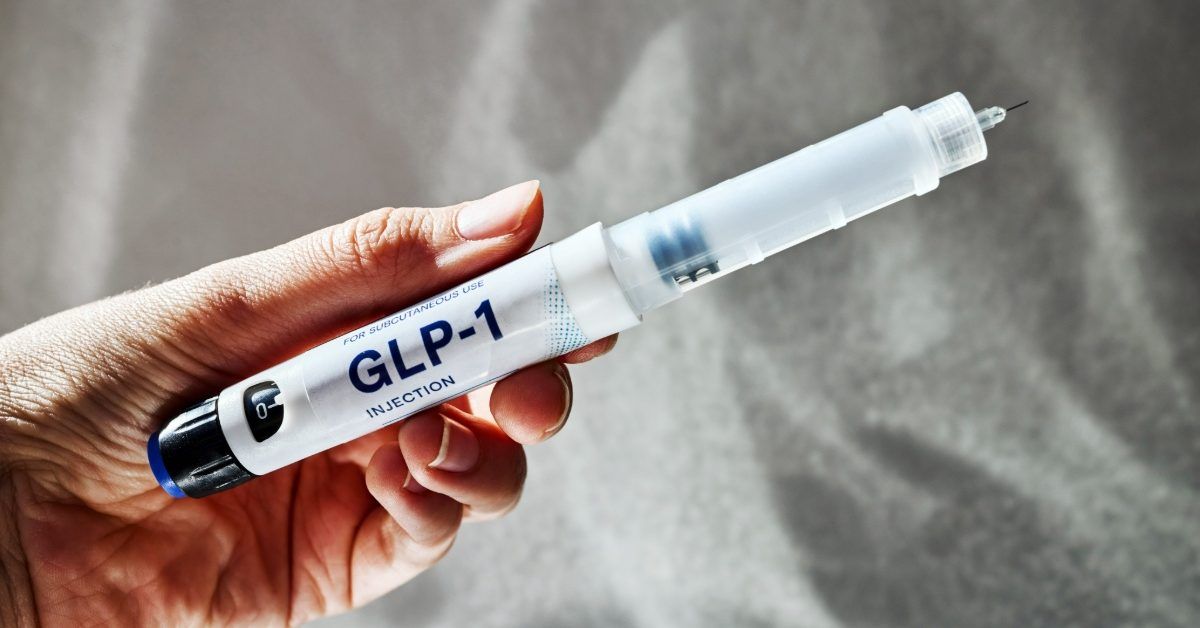
Science Review Links GLP-1 Drugs to Lower Dementia Risk; Alzheimer’s Trials Show No Benefit
Science review evaluated GLP-1 drugs’ brain effects across aging, cardiometabolic disease and Alzheimer’s. Observational data tie semaglutide and...

Nintendo Restores Switch 2 Bundle to $499 With Free Game and Online
Nintendo cut the Switch 2 + Mario Kart World bundle back to $499.99 on November 22, matching the...
FSSAI Sanctions Prosecution Against Bisleri Over Referral Lab Finding Of Carcinogens In Water
India's food safety regulator has sanctioned prosecution against Bisleri International after a sample of its packaged drinking water...

Dermatologists Say Regular Soap Works as Well as Antibacterial for Daily Use and Cold-and-Flu Season
Regular soap and water work as well as antibacterial versions for everyday hand-washing and cold-and-flu season, dermatologists told...