Fed Ponders a Major Shake-Up for Treasury Markets
Right now, deep in the engine room of the U.S. financial system, a quiet but critical debate is taking shape. The Federal Reserve Bank of New York is openly wrestling with a fundamental question: should its own key monetary policy tools, the standing repo operations, be centrally cleared? It’s a move that could reshape how the government manages interest rates and how the $1 trillion Treasury market functions, and it’s a conversation happening now because the New York Fed itself reported that market participants are asking for it.
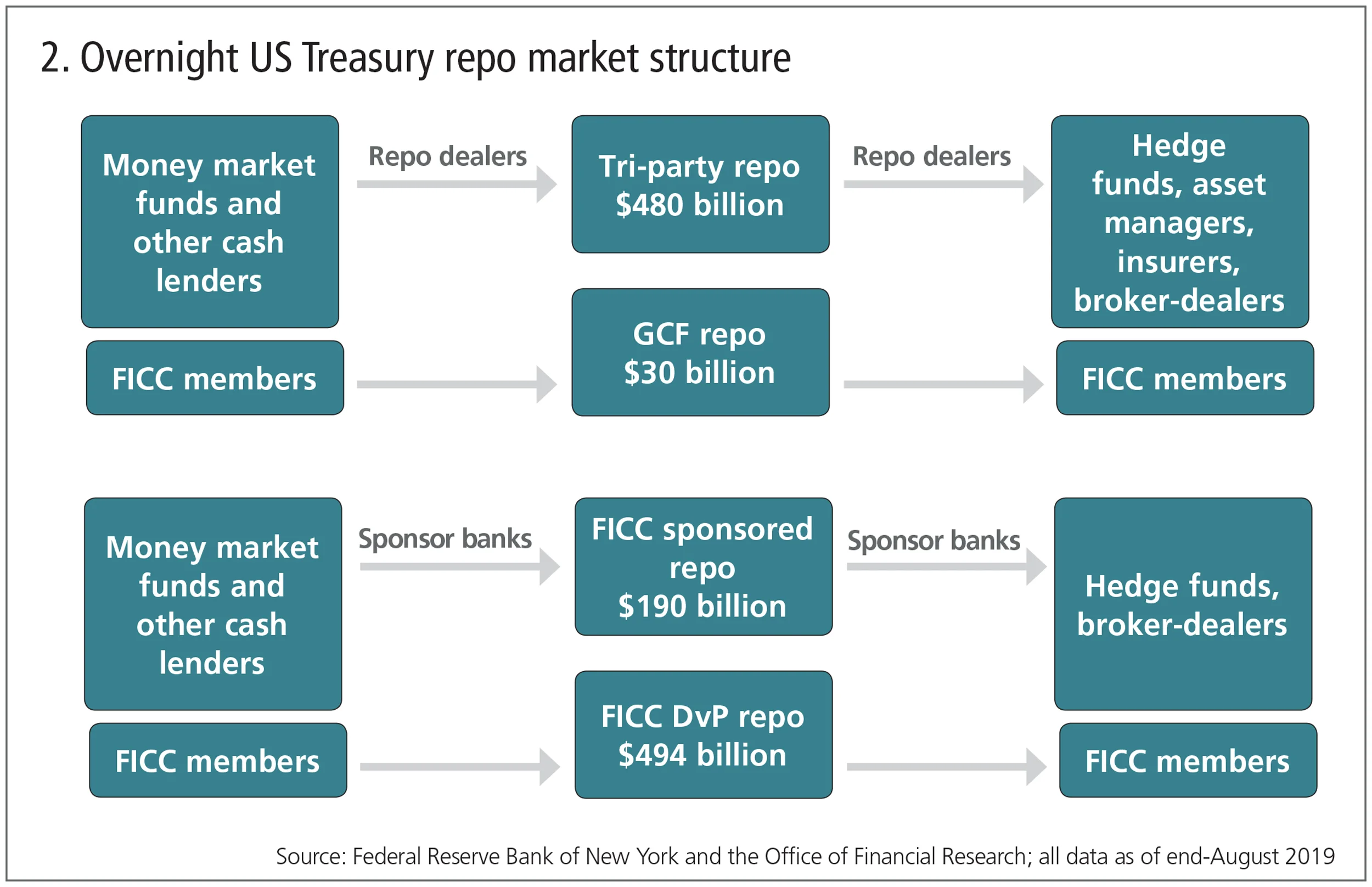
This isn’t just some technical adjustment. The standing repo operations, or SRPs, are one of the Fed’s main tools for keeping the federal funds rate in check. They were added in July 2021 to act as a safety valve, stepping in to prevent overnight rates from spiking too high. Think of them as a pressure-release valve on the boiler of the financial system. The problem, as the New York Fed has noted, is that primary dealers—the big banks that deal directly with the Fed—can’t net these trades against their other business. This friction makes them less willing to use the SRPs, potentially reducing the tool’s effectiveness. So, the question becomes clear: if central clearing makes these operations better, why isn’t the Fed using it?
The Case for Clearing the Fed’s Books
The push for central clearing of the Fed’s repo operations comes directly from the industry the Fed serves. In a recent survey, primary dealers told the New York Fed that the biggest friction preventing them from using the SRPs more often is the inability to net their transactions. In a centrally cleared market, offsetting trades are bundled together, saving banks valuable balance sheet space. Without it, transacting with the Fed is less attractive. The message was consistent: if the Fed wants the market to use these operations, it should make them easier to use, and central clearing is the way to do that.
The Federal Open Market Committee, the Fed’s main policy arm, is listening. The minutes from the October 2025 meeting describe a staff briefing on the topic, and the feedback was cautiously optimistic. The main benefit cited was clear: greater effectiveness in controlling the federal funds rate. This isn’t just a minor tweak; it’s about ensuring the Fed can hit its interest rate targets with precision, which affects everything from mortgages to business loans across the economy.
The Stakes and the Speed Bumps
But making this change is far from simple. The New York Fed has laid out significant hurdles that would need to be cleared before any move. On the operational side, there are legal and structural questions. The Fed cannot simply agree to provide liquidity to a clearinghouse or share in the losses of other members. Membership models and access would need a complete redesign. And on a systemic level, there are concerns. Making the Fed’s operations dependent on a central counterparty would increase that clearing provider’s importance in the financial system. There's also a fear that it could allow non-bank players to gain more influence in the Treasury market, creating new risks that regulators would have to watch.

These are the kinds of issues that demand careful study, and the FOMC seems to agree. The March 2026 FOMC minutes again reflected a consensus that this idea needs more investigation. It’s a familiar pattern in finance. As the New York Fed pointed out, the market’s own shift from bilateral to tri-party repo years ago was a fundamental structural change that the Fed eventually followed. History suggests that sometimes, the Fed has to adapt to the market it regulates, but it has to get the details right first.
A Trillion-Dollar Question About Treasury Cash
The answer, as explained by the New York Fed, has two parts: one legal, one economic. Legally, the Federal Reserve Act only authorizes paying interest to depository institutions, not to the Treasury itself. Economically, it’s a wash. The Fed sends all its profits to the Treasury, so paying interest on the TGA would just be the Treasury paying itself with its own money. Still, the Treasury Borrowing Advisory Committee (TBAC) recently studied the idea of investing that excess cash in the overnight repo market. They found that modest returns might be possible, perhaps zero to two basis points, but only if the repo rate exceeds the interest the Fed pays on bank reserves. The TBAC concluded that while the concept has potential, the practical questions—how to execute it, which counterparties to use, and what the capital implications are—are still wide open. For now, more study is the only clear next step.

Beyond these immediate market mechanics, the New York Fed is also looking toward the future, particularly through the lens of digital innovation. The Fed’s Innovation Center is actively observing industry-led proof-of-concept work on using shared ledger technology for settling transactions, and its Treasury Market Practices Group has formed a new working group focused on digital innovations, including stablecoins and tokenized Treasuries. Their goal is to understand how these technologies could impact the Treasury market’s role as a pricing benchmark, a monetary policy tool, and a funding source for the government.
The New York Fed has laid out a clear agenda. It’s studying whether to centralize its own repo operations, exploring how the Treasury might put its cash to work, and actively investigating the future of digital finance in the world’s most important bond market.
Worth a look

Detroit hosts Diwali celebrations on November 7
Detroit's November Unveils a Calendar of Light, Legacy, and Local Connection As the political dust settles post-Election Day,...

Aura Lab Wellness Debuts Caviar Renewal Facial at The Ivy
An evening of skincare, wine, and cigars debuting the Caviar Renewal Luxe Lift Facial with Aura Lab Wellness...

Nabsys to Present EGM for Hematologic Malignancy Detection at AMP 2025
Researchers to Present Breakthrough in Blood Cancer DNA Analysis at Major Conference PROVIDENCE, R.I. — A Rhode Island...

Keyonte George’s apparent game-winner waved off as Jazz lose to Pelicans
On a night in New Orleans that seemed destined for a hero's ending, Keyonte George’s apparent game-winning shot...