
Newcomers to the New Mexico Legislature may find themselves excluded from the state’s lucrative pension benefits, according to reporting from the Santa Fe New Mexican.
Recent shifts in how legislative retirement benefits are structured mean that those entering the state’s highest lawmaking body will not share the same financial security enjoyed by long-term incumbents. This distinction creates a growing divide between veteran lawmakers and the new faces arriving to represent New Mexico’s districts.
The core of the issue lies in the specific eligibility requirements for the legislative retirement system. While established members rely on these pensions for post-service stability, the current framework creates obstacles for new arrivals.
For many, these pensions represent more than just a monthly check; they are a primary driver for recruitment and retention in a part-time legislature. Without the promise of a structured retirement, the economic math of serving in Santa Fe becomes increasingly difficult for professionals who must balance legislative duties with private-sector careers.
The absence of these benefits fundamentally changes the profile of who can afford to serve. Lawmakers without independent wealth or high-earning secondary professions may find the opportunity cost of public service too high to bear.
This shift could potentially narrow the diversity of the legislature. If the financial incentives for long-term service are diminished for newcomers, the body may struggle to attract individuals from working-class backgrounds who require the stability of a pension to offset the intermittent nature of legislative pay.
Critics of the current structure argue that the lack of parity creates a “two-tier” system within the Roundhouse. This system rewards longevity while offering little to those attempting to build a career in public service from the ground up.
On the other hand, some proponents of fiscal restraint suggest that limiting pension obligations for new members is a necessary step toward long-term state solvency. They argue that reducing the unfunded liabilities associated with government pensions is essential for New Mexico’s broader economic health.
The tension between maintaining a competitive legislative workforce and managing state expenditures remains a central conflict in the halls of power. As the demographic makeup of the legislature evolves, so too will the debate over how the state compensates its leaders.
Worth a look

NASA Tracks 47,000 MPH Meteor Fireball Over North Carolina and Tennessee
A fireball streaked across the sky at 47,000 mph A bright meteor traveling at 47,000 mph lit up...
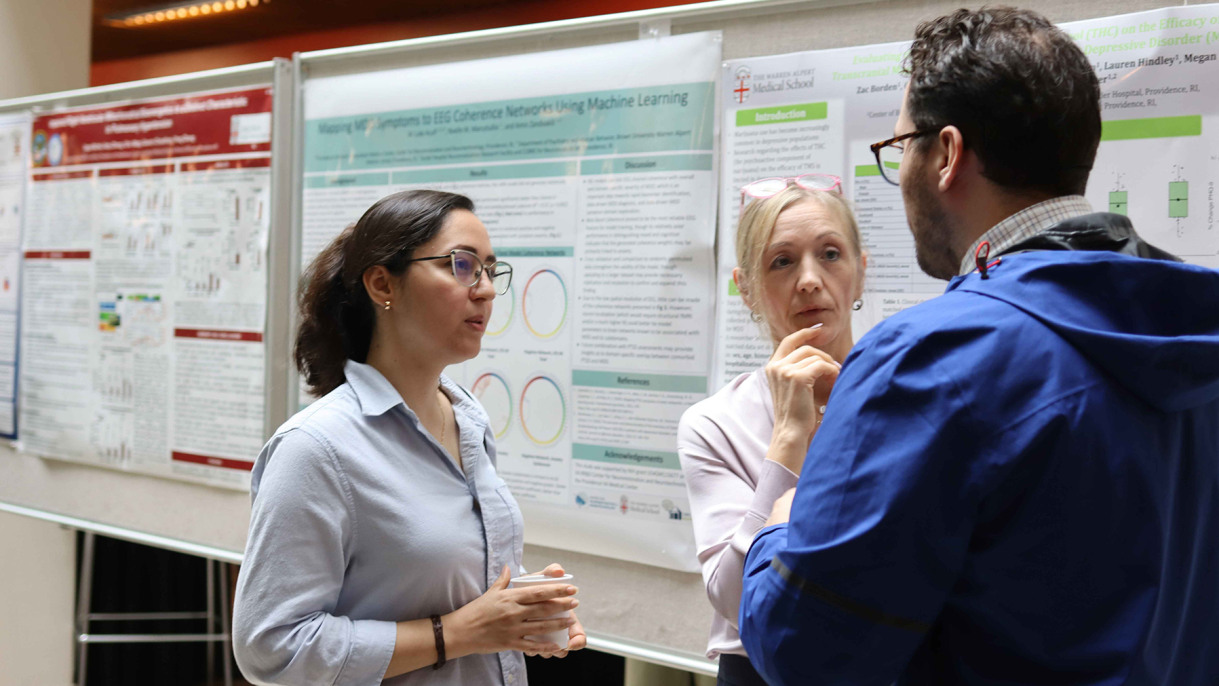
Brown University Report: $26M NIH Grant to Fund RI Research
Advance RI-CTR secures $26 million for biomedical research A federal grant of $26 million will fund the next...

Adrian Fire Chief George Martin Dies After 44 Years of Service
Chief George Martin died Saturday, Nov. 7, 2026, after suffering a medical emergency while responding to a motor...

Oklahoma Farm Bureau Concludes 85th Annual Meeting in Oklahoma City
Oklahoma Farm Bureau sets 2027 policy priorities Oklahoma Farm Bureau members convened in Oklahoma City from Nov. 6-8...