
Most New Mexico households must renew their SNAP benefits every 12 months to prevent their food assistance from stopping.
This recertification process serves as a mandatory check-in with the New Mexico Health Care Authority (HCA) to confirm that a family’s income and needs remain consistent with their eligibility.
Recent shifts in state and federal policy have fundamentally altered how residents prove their eligibility. According to Propel, New Mexico changed how shelter, utility, and childcare costs are verified, ending the system where residents could self-report these expenses.
The stakes for missing a deadline are high. If a certification period ends and the renewal isn’t processed, benefits will lapse even if the individual still qualifies. While HCA typically provides a 30-day window to renew after a period ends, doing so after the 15th day of the final month of a certification period means a household loses the right to uninterrupted benefits.
New documentation requirements for 2026
As of May 1, 2026, the state no longer allows for the self-reporting of certain essential costs. Households must now provide physical documentation, such as a lease, mortgage statement, or a letter from a landlord, to verify housing expenses. Similar documentation is required for utility costs and childcare expenses.

If a resident cannot provide these documents, the HCA will not necessarily close the case, but they will calculate the benefit amount without those specific deductions. This can lead to a meaningful reduction in the monthly deposit sent to an EBT card. In cases where documentation is difficult to obtain, the HCA may accept a sworn statement as a last resort.
The verification of utility costs has also seen a shift in how deductions are triggered. Previously, receiving help through the Low Income Home Energy Assistance Program (LIHEAP) automatically qualified a household for the Heating and Cooling Standard Utility Allowance. However, as of November 1, 2025, this automatic eligibility no longer applies to households that do not include an elderly or disabled member.
For those without an elderly or disabled household member, the deduction must now be requested manually, and proof of heating or cooling costs must be provided. If someone other than the SNAP recipient pays the utilities, that payment is treated as income, and the household will not receive the deduction.
Adults must meet expanded work requirements to receive benefits
Rules for able-bodied adults have also changed. Since January 1, 2026, most adults between the ages of 18 and 64 are required to meet expanded ABAWD work requirements to receive benefits for longer than three months in a three-year period. This requires showing proof of working, volunteering, or participating in job training for at least 80 hours per month.
To satisfy these requirements, the HCA may request specific evidence, including:
- Pay stubs from the previous 30 days.
- An employment verification form or a written statement from an employer.
- Tax returns (1040 with Schedule C or 1099) for self-employed individuals or gig workers.
- A signed Volunteer Hours Verification form for those performing community service.
There are specific geographic and demographic exceptions to these rules. Throughout 2026, work requirements do not apply to residents of Luna County, Laguna Pueblo, San Felipe Pueblo, Taos Pueblo, or Tesuque Pueblo. Exemptions exist for those who are pregnant, caring for a child under 14, or are physically or mentally unable to work.
The removal of automatic exemptions for veterans and people experiencing homelessness means these groups must now qualify under one of the other specific exemption categories to avoid the 80-hour monthly requirement.
The recertification timeline
The frequency of check-ins depends on the household’s specific status. While the standard period is 12 months, households where every adult is 60 or older or disabled, and who have no earned income, receive a 24-month certification period. These households must still file an interim report halfway through their term.
| Certification Period Type | Interim Report Due Date | Renewal Notice Timing |
|---|---|---|
| 12-Month Period | 10th day of the 6th month | One month before expiration |
| 24-Month Period | 10th day of the 12th month | One month before expiration |
To prevent service gaps, residents should submit their renewal by the 15th day of the last month of their certification period. If a case does close, the HCA suggests reapplying immediately. If the reapplication occurs within 30 days of the certification period ending, the case can often be reopened without a brand-new application.
The process concludes with a mandatory interview, which can be conducted in person at a local Income Support Division office or via telephone if an in-person visit is difficult. Following the interview, the HCA may request additional follow-up documentation to finalize the approval.
Worth a look
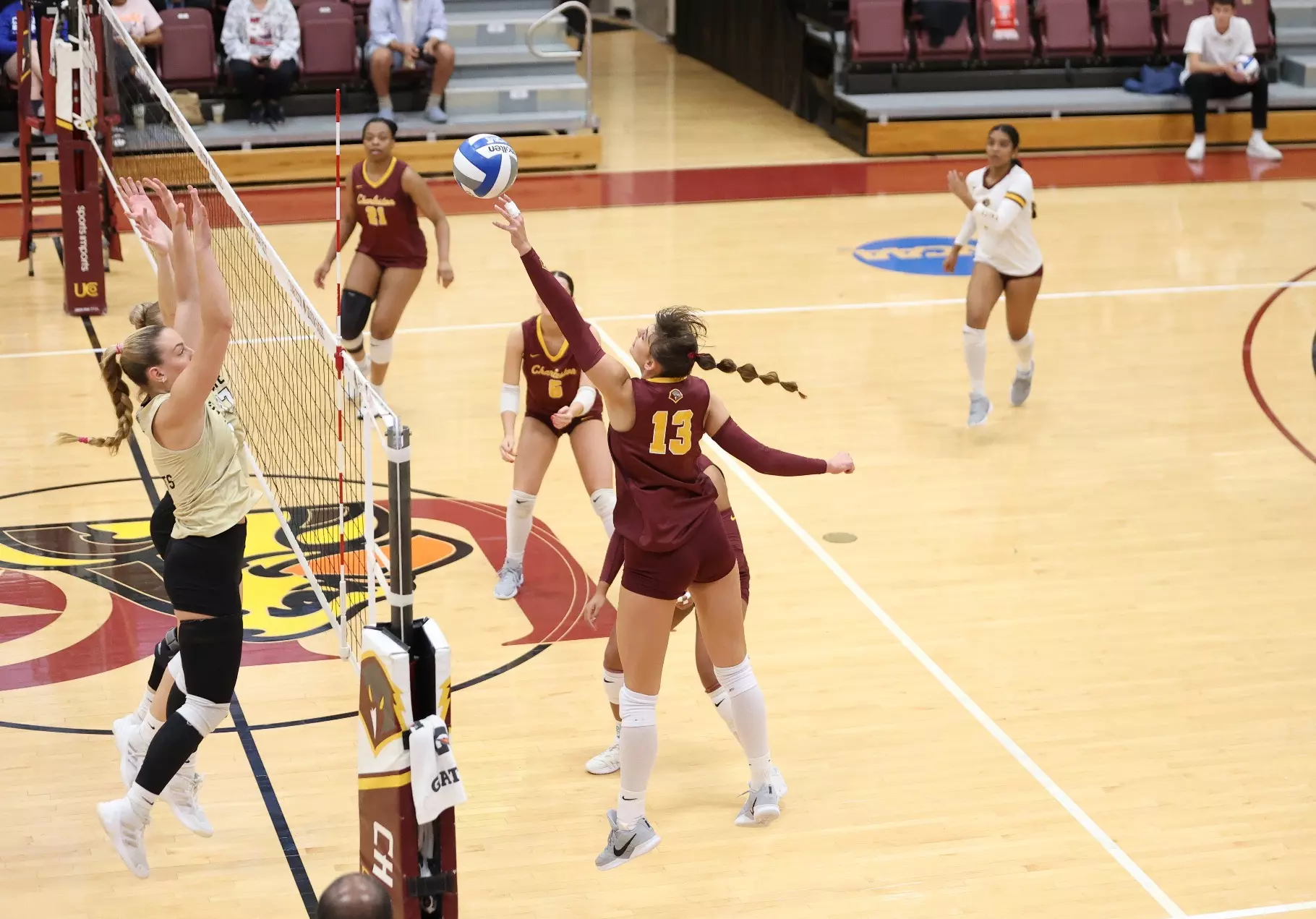
West Virginia State Defeats Charleston in Three Sets to End Regular Season
West Virginia State defeated the University of Charleston in three sets on Thursday night to close out the...
Philadelphia Appeals Ruling on Washington Square West Historic District
Homeowners in the Washington Square West historic district face continued regulatory oversight as the City of Philadelphia appeals...
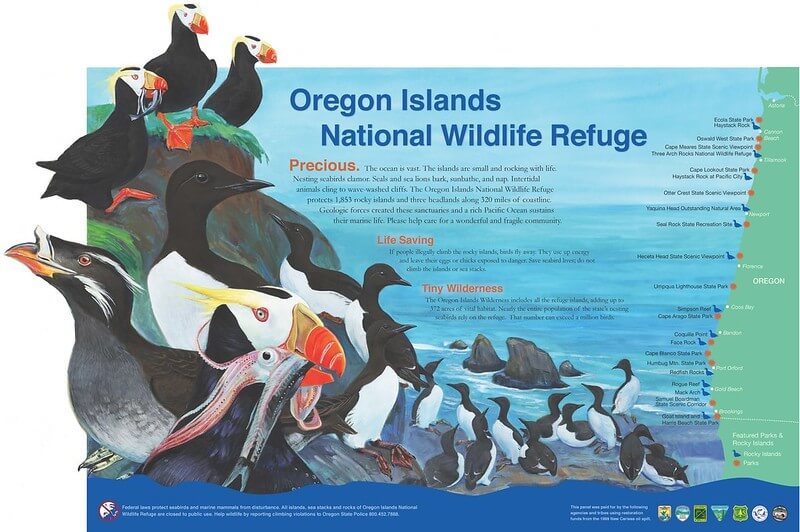
U.S. Fish & Wildlife Service: Oregon Islands National Wildlife Refuge
Seabirds find refuge across 1,853 rocks, reefs, and islands stretching from Tillamook Head to the California border, according...

Ryan Day Balances Salvaging 2026 With Building for 2027
Ohio State’s 2026 football season has shifted from a championship pursuit to a fight for stability in just...