
On November 16, 1801, a small group of investors gathered in the home of Archibald Gracie—now the official mayoral residence—to launch a paper that would define the voice of a growing nation.
Today, 225 years later, The New York Post marks a milestone as the oldest continuously published daily newspaper in the United States. While the city has transformed from the cramped streets of lower Manhattan into a global metropolis, the publication has remained a constant, if often provocative, fixture of the city.
The paper’s origins are rooted in the intellectual intensity of the early American republic. Alexander Hamilton, the architect of the Treasury Department and a primary author of the Federalist Papers, founded the New York Evening Post as a vehicle for his political vision.
It was a publication born of conflict and urgency; less than two weeks after its first issue, Hamilton’s 19-year-old son, Philip, was killed in a duel across the river in New Jersey. That tragedy sparked an early editorial crusade, with the paper arguing that dueling was a “horrid custom” that required pointed legislative interference.
The Post’s influence, however, extends far beyond its founding principles. For over two centuries, it has acted as a persistent agitator for municipal reform. In the 1840s, it championed the creation of the NYPD, famously calling for a professional police force to replace the existing “body of watchmen” that the paper suspected were often in league with the very robbers they were meant to catch.
It also pushed for the abolition of slavery and campaigned for the creation of Central Park, with editor William Cullen Bryant writing in an 1844 editorial that commerce was “devouring inch by inch the coast of the island.”
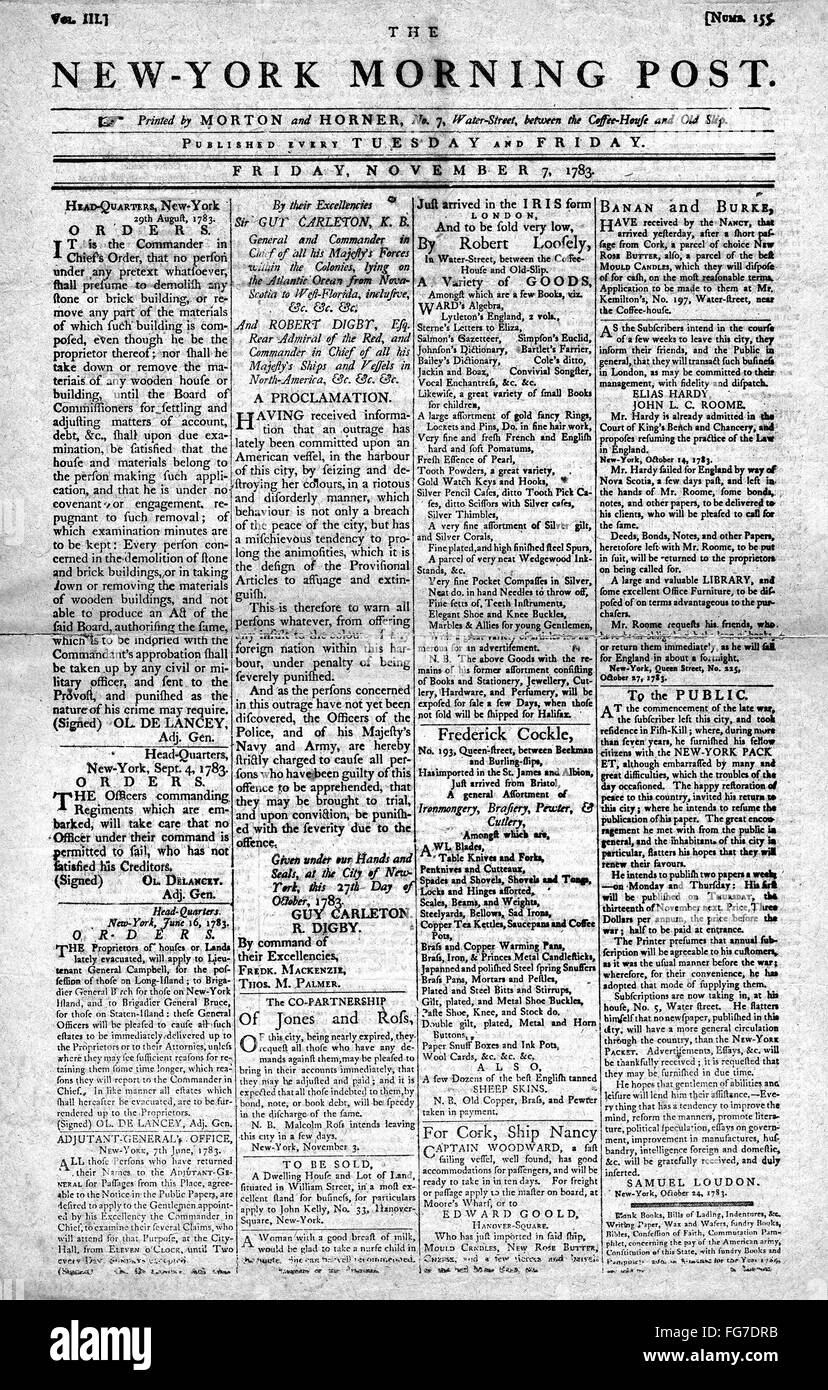
“The New York Post is so baked into the fabric of New York and has the voice of the city in a way no other publication has.”
said Aileen Gallagher, a professor of magazine, news and digital journalism at Syracuse’s Newhouse School. She said that the paper has consistently maintained its status as a “power read,” capturing an audience that spans from the halls of power to the city’s bustling streets.
The transition from a broadsheet to a tabloid under the ownership of Dorothy Schiff, and later its acquisition by Rupert Murdoch in 1976, established the crusading, high-impact style that characterizes the paper today.
It has weathered bankruptcies, strikes, and the profound trauma of the September 11 attacks, consistently evolving to meet the changing media habits of its readers. In early 2026, that expansion reached the West Coast with the launch of the California Post, expanding its national footprint.
Critics often point to its sensationalist headlines and aggressive editorial stance as a departure from traditional journalism. Yet, the paper’s ability to generate public debate remains its most enduring asset.
Whether it is advocating for the regulation of e-bikes or weighing in on the outcome of a high-stakes NBA championship, the publication operates on a simple premise: ensuring that New Yorkers—and now, a wider national audience—are paying attention.
The longevity of the outlet is perhaps best summarized by the curiosity it continues to command. As Gallagher observed, when a major story breaks, the central question in many circles remains, “What will The Post have to say?” It is a legacy of anticipation that has spanned 225 years, surviving the shift from the printing press to the digital age.
Keep reading

Update Your Contact Information and Location Preferences
Mutiny Presents is bringing Sammy Virji to Salt Lake City on March 6, according to listings on Edmtrain....
Mayor Mamdani Announces 16 Judicial Appointments to NYC Criminal and Family Courts
Mayor Zohran Kwame Mamdani announced 16 judicial appointments and reappointments to New York City’s Criminal and Family Courts...

Vermont Minimum Wage to Increase by 49 Cents in January
Vermont’s minimum wage floor is set to shift upward on January 1, moving from $14.42 to $14.91 per...

Student Writer Shares Experience with Imposter Syndrome
In a recent column for the Her Campus at Northeastern chapter, a student writer recounts her personal transition...