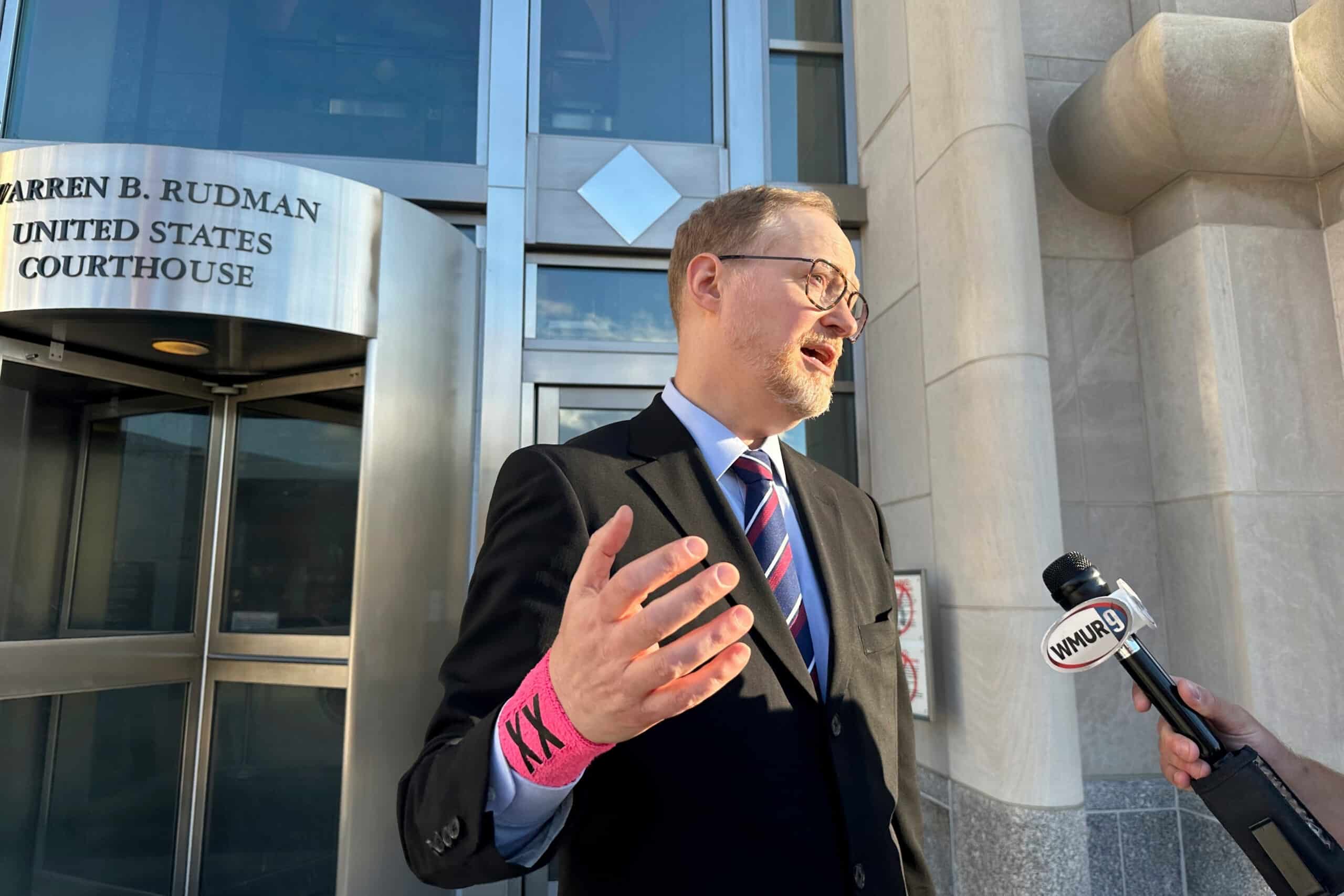
Federal Judge Rules in Favor of New Hampshire Fathers in Wristband Protest Case
Two fathers in New Hampshire who challenged a school district’s ban on their protest attire have secured a legal victory, concluding over two years of litigation. On November 5, U.S. District Judge Steven McAuliffe issued a dismissal order confirming that Kyle Fellers and Anthony Foote possess a First Amendment right to wear pink wristbands marked with “XX” while attending school sporting events. The ruling effectively ends a dispute that began in 2024, when the Bow school district prohibited the men from wearing the bands at a high school soccer game that featured a transgender girl on the opposing team, the Associated Press reported.
The conflict centered on the district’s assertion that it maintained a legal obligation to protect students from potential harassment by adults on school grounds. During the proceedings, school officials pointed to comments made by Foote, who had described himself as a “real leader” ready to take action, and noted that other parents had been overheard discussing the possibility of heckling the transgender athlete. Both Fellers and Foote testified that their intent was not to harass or target the individual player, but rather to voice their opposition to the inclusion of transgender athletes in girls’ sports. The “XX” marking on the wristbands was intended as a reference to female chromosomes.
The Settlement and Legal Precedent
The resolution of the case involves a financial settlement, with the district’s risk pool agreeing to pay $225,000 to the Institute for Free Speech, the organization that represented the fathers. A further $50,000 will be paid to the men’s attorney. As a symbolic gesture, each plaintiff will receive $17.91—a figure representing the year 1791, when the states ratified the First Amendment.
Throughout the legal battle, the court had previously blocked the men from wearing the wristbands while the case was active. However, a federal appeals court eventually intervened, ruling that school officials “cannot favor one side of a debate involving parental speech on an issue of prominent public concern.” This appellate decision paved the way for the recent dismissal order. Endel Kolde, an attorney for the Institute for Free Speech, said the outcome affects more than just this case, stating, “Parents don’t surrender their First Amendment rights when they walk into a high school soccer game.”
Human Stakes and Lingering Questions
For the parents involved, the two-year legal struggle carried personal consequences. Fellers stated that he missed approximately half of his daughter’s soccer games during her senior year as a result of the ongoing dispute. Reflecting on the judge’s decision, Fellers noted, “It took more than two years, but the court has recognized that what happened to us was wrong.”
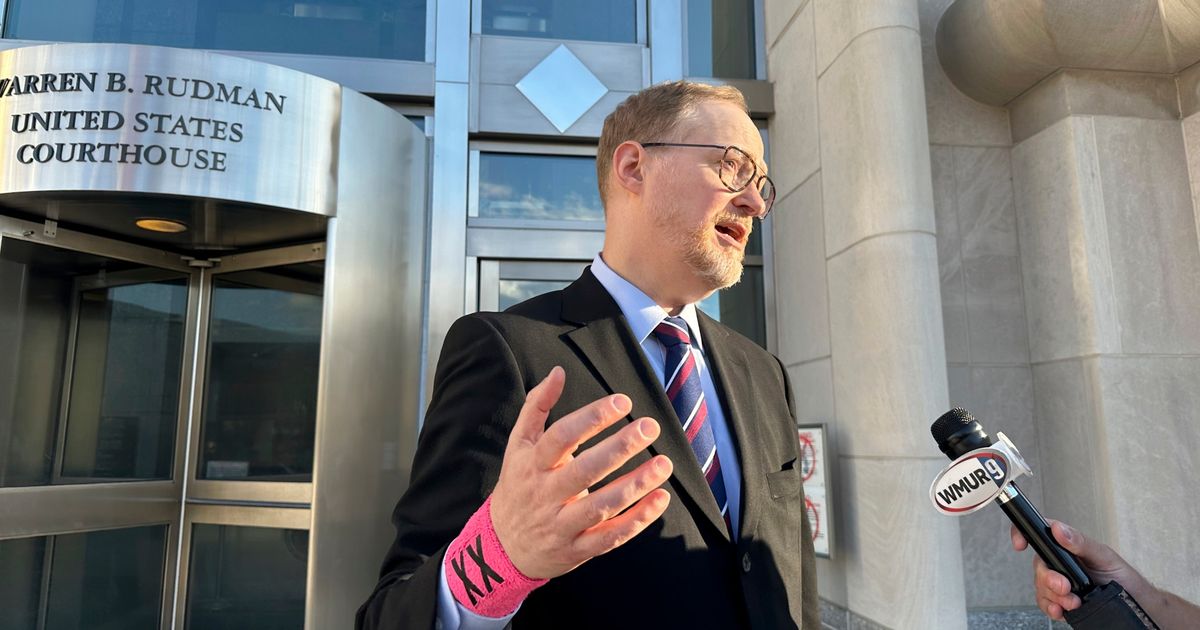
While the court order brings a definitive end to this specific litigation, the broader national debate regarding speech and policy in public high school athletics remains active. The Bow school district has not provided further comment on the settlement; an attorney for the district did not respond to an email seeking a statement regarding the ruling.
Worth a look

Charleston Man Arrested for Leaving Daughter in Pokémon Card Line
John-Michael Dooley arrested after leaving 6-year-old daughter at Charleston Target A 35-year-old Johns Island man faces criminal charges...

New Hampshire Man Killed in I-95 Tractor-Trailer Crash in Providence
Fatal I-95 Crash in Providence A 39-year-old man from Concord, New Hampshire, died Friday morning following a multi-vehicle...

Oklahoma launches portal for state and federal guidance documents
Oklahoma Launches Centralized Portal for Agency Guidance Documents Oklahoma has officially launched guidance.ok.gov, a new digital repository designed...

Two Charged After Woman Held Captive in Fargo Apartment for Two Years
The Walls of Unit 306: A Fargo Captivity Case In a south Fargo apartment complex where security patrols...