Governor Sherrill’s Search for a Lieutenant Governor Narrows Following Withdrawal
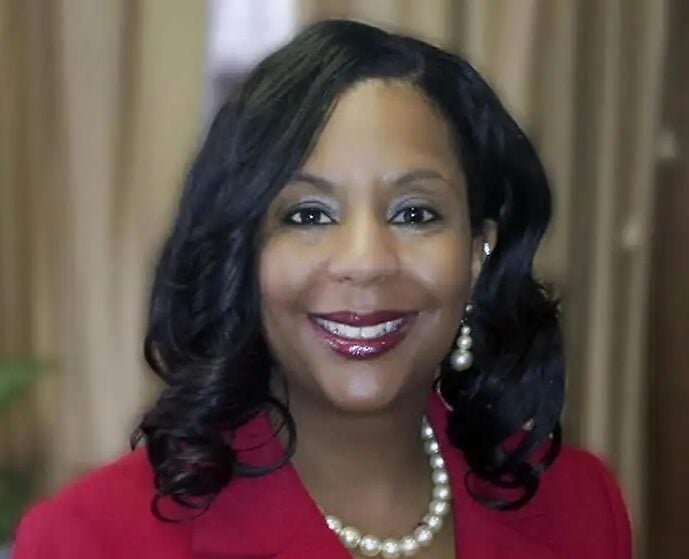
The path to filling New Jersey’s vacant lieutenant governor seat has shifted following the decision of Assemblywoman Verlina Reynolds-Jackson to withdraw her name from consideration. As the chair of the Legislative Black Caucus and a prominent voice in the State Assembly, Reynolds-Jackson had been viewed as one of two finalists for the appointment. Her exit leaves Governor Mikie Sherrill with a compressed timeline to name a successor to Dale Caldwell, who resigned on September 25 following an independent investigation that substantiated claims of sexual harassment against a female staff member.
Under the New Jersey Constitution, the governor is mandated to fill the vacancy within 45 days of a resignation. With that deadline falling on Monday, November 9, the administration is moving quickly to finalize its choice. According to The Jersey Vindicator, reporting by Krystal Knapp, the administration is now expected to pivot toward Acting Secretary of State Shirley Emehelu, a former federal and state prosecutor who has already been working within the executive branch.
A Shift in Legislative Representation
Reynolds-Jackson, a lifelong Trenton resident, has been a central figure in state politics since her 2018 election to the Assembly. Her legislative portfolio—which includes chairing the Assembly Education Committee and serving on the Budget and Appropriations Committees—has positioned her as a key advocate for the 15th Legislative District, encompassing Trenton, Ewing, Lawrence, and West Windsor. Her departure from the vetting process removes a candidate who brought both a background in social work and a deep connection to the state’s urban centers to the conversation.
Governor Sherrill addressed the withdrawal in a statement released Friday, emphasizing the value of her ongoing partnership with the Assemblywoman. “I understand and respect her decision that now is not the right time for her,” Sherrill stated, as recorded by the Governor’s Office. The governor underscored Reynolds-Jackson’s work on voting rights, health care, and equity for working families, signaling that while the potential appointment did not materialize, their political alignment on issues affecting Black residents remains a priority for the administration.
The Administrative Stakes of the Appointment
The urgency of this decision is rooted in the constitutional requirement to maintain continuity in the executive branch. The resignation of Dale Caldwell, who has disputed the findings of the ethics investigation, left a significant hole in the governor’s cabinet. By selecting Shirley Emehelu, who was appointed as acting secretary of state in September and previously served as acting state comptroller, the governor appears to be choosing a candidate with a background in legal oversight and administration rather than a traditional legislative pedigree.
This choice carries inherent political risks and benefits. While an appointment from within the current administration provides stability and familiarity with existing policy initiatives, it also bypasses the legislative confirmation process that Emehelu encountered earlier this year. When Sherrill appointed her comptroller in January, the state Senate did not move to confirm her, leaving the role in an acting capacity. Selecting her for the lieutenant governor position effectively keeps an experienced prosecutor in a high-ranking role, though it may invite scrutiny regarding the administration’s preference for acting appointments over confirmed ones.
The Road to Monday
The vacancy itself, triggered by the ethics scandal surrounding the former lieutenant governor, has forced a conversation about professional standards within the statehouse. For the residents of New Jersey, the selection of a new lieutenant governor is not merely a personnel decision; it is a signal of how the Sherrill administration intends to handle the remainder of its term. With the November 9 deadline looming, the focus now shifts entirely to the governor’s formal announcement.
As the administration prepares to fill the seat, the focus remains on whether the new appointee can bridge the gap between the executive office and the legislative priorities championed by leaders like Reynolds-Jackson. The transition from a legislative insider to a former prosecutor marks a distinct change in the profile of the state’s second-in-command, setting the stage for a new dynamic in Trenton as the administration moves past the controversy of the last several weeks.

Charleston Man Arrested for Leaving Daughter in Pokémon Card Line
John-Michael Dooley arrested after leaving 6-year-old daughter at Charleston Target A 35-year-old Johns Island man faces criminal charges...

New Hampshire Man Killed in I-95 Tractor-Trailer Crash in Providence
Fatal I-95 Crash in Providence A 39-year-old man from Concord, New Hampshire, died Friday morning following a multi-vehicle...

Oklahoma launches portal for state and federal guidance documents
Oklahoma Launches Centralized Portal for Agency Guidance Documents Oklahoma has officially launched guidance.ok.gov, a new digital repository designed...

Two Charged After Woman Held Captive in Fargo Apartment for Two Years
The Walls of Unit 306: A Fargo Captivity Case In a south Fargo apartment complex where security patrols...