A $10 pill bought over social media killed 21-year-old Qua Broughton after the synthetic opioid nitazene was found in his system, CBS News reported.
His mother, Frederica Roberson, administered Narcan and performed CPR, but her son did not survive. She is now warning other families about the drug.
Nitazenes can be up to 80 times more potent than fentanyl and belong to a wave of novel synthetic opioids appearing in the U.S. drug supply, according to a monthslong 60 Minutes investigation.
Forensic toxicologist Alex Krotulski, director at the Center for Forensic Science Research and Education outside Philadelphia, first identified nitazenes in American drugs. His lab is on track to identify 50 new substances this year by analyzing seized drugs and blood samples from overdose victims.
How cartels create new opioids
Illicit chemists make minor tweaks to molecular structures — such as using cychlorphine as a building block — to produce new analogs that are technically legal when they first emerge. Once regulators ban a compound, cartels move to the next variation.
“We’re not saying, ‘Oh, yay, that’s gone,'” when a drug is made illegal, Krotulski said. “We’re saying, ‘Oh, crap, we’ve got something else new that we need to start looking for.'”
DEA Administrator Terrance “Terry” Cole considers synthetic drug manufacturing the most deadly criminal act carried out by today’s cartels. He said cartels “have the money to hire the best chemists in the world.”
The agency described a global pipeline: precursor chemicals from China and India are ordered online, shipped to makeshift labs in Canada and Mexico, mixed into powders, and pressed into pills either there or after entering the United States.
Precursors and pre-precursors often enter countries legally for commercial uses such as dyes and perfumes, complicating interdiction.
The DEA has regulated dozens of chemicals, but cartels repeatedly substitute replacements — a dynamic Krotulski compared to whack-a-mole.
“As much as we want to say, ‘This is too tall of a mountain to climb,’ it’s a mountain we have to climb because it’s answers that families won’t get, that public health and public safety won’t get if we’re not doing this work,” Krotulski said.
Related reading

Jennifer Aniston, 57, Trains With PVOLVE Three to Four Times Weekly, Trainer Says
Jennifer Aniston, 57, maintains her fitness through a functional movement method called PVOLVE, training three to four times...
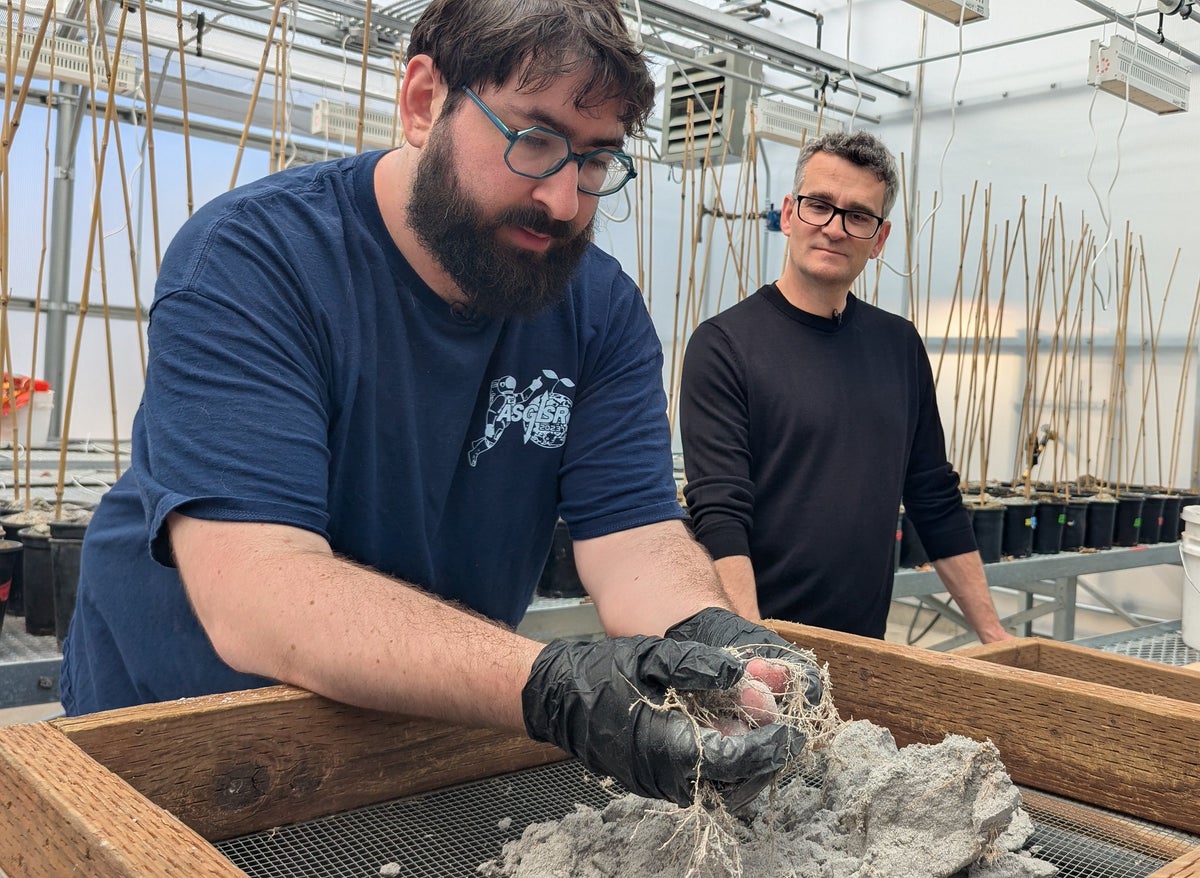
Oregon State Study: Potatoes Complete Life Cycle In Lunar Soil With Vermicompost
Lunar soil, made up of dust and rock, contains no nitrogen at all, so no crop can grow...

Persimmons: Nutritional Benefits and Rare Bezoar Risks for Vulnerable Groups
Ynetnews reported that Israeli doctors are warning that persimmons can form hard, obstructive masses in the stomachs of...

Singapore Announces 2027 Property Tax Rebate, Raises AV Thresholds for Social Support
Singapore will give owner-occupiers a one-off property tax rebate in 2027 and raise the annual-value thresholds that gate...