Nithya Raman and the Blue Wave’s Los Angeles Foothold
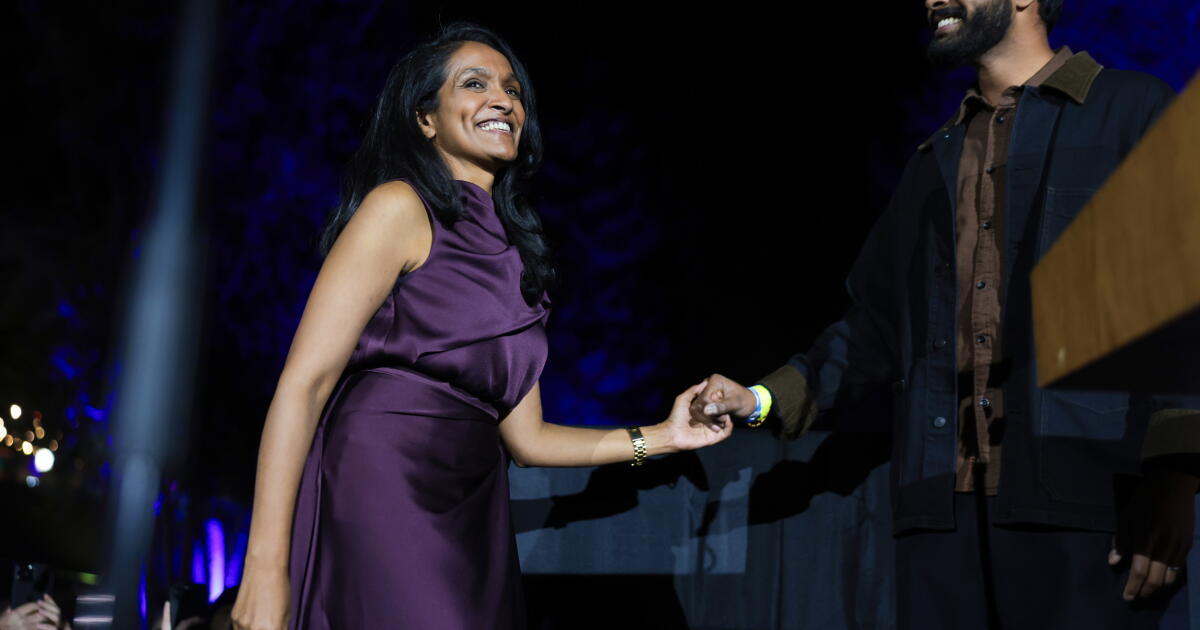
Just after 11 p.m. on election night, Nithya Raman took the stage at the Greek Theatre in a plum-colored dress, her smile signaling a victory that felt inevitable to the crowd packed into the plaza. While Los Angeles Mayor Karen Bass held a narrow lead in the early returns, the energy at the Greek was not one of suspense, but of celebration. As reported by the Los Angeles Times, Raman’s supporters viewed the night as a win, fueled by a blue deluge across the U.S. intended to clear out the MAGA status quo.
Raman, a City Council member, stood at the center of an anti-establishment wave that arrived in Los Angeles despite the city’s deep-blue reputation. Voters frustrated by the rising cost of living and a perceived lack of leadership during local crises sought a different path. For Raman, this campaign—which began on the final possible day for filing—represented a challenge to the traditional Democratic establishment that had long viewed her candidacy as an amateur effort against a seasoned incumbent.
A Coalition Built on Grassroots Frustration
The coalition supporting Raman mirrored the broader national shifts that saw Democrats reclaim ground in the House and Senate. The local Democratic Socialists of America chapter saw significant success, with candidates like Marissa Roy leading in the city attorney’s race and Angela Gonzales-Torres holding a substantial lead against incumbent Jimmy Gomez in the Eastside congressional contest. This wasn’t just a party-line victory; it was a rejection of local political machines.
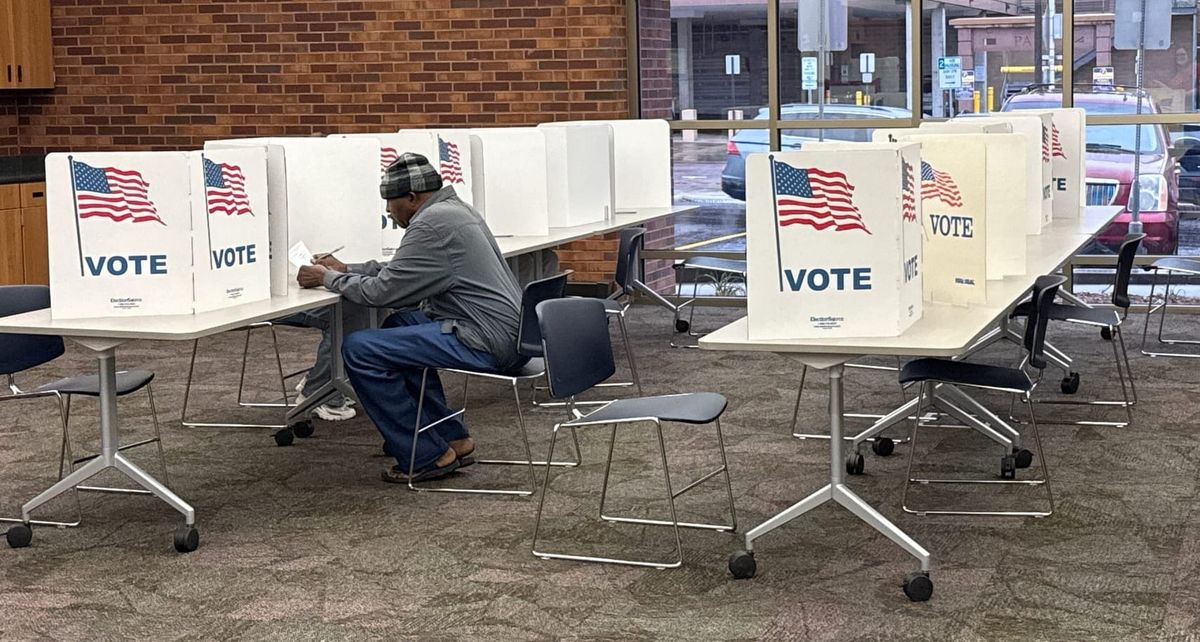
Arthur Johnson, a 23-year-old student at Cal State Northridge, stood in line to vote in person, driven by a desire for change. “I wanted that old-school feeling,” Johnson said. He noted that many of his peers were first-time voters motivated by a specific disdain for both the national Republican leadership and the local status quo, seeking a shift in governance regardless of the specific mechanism.
The sentiment resonated across diverse neighborhoods, including East Los Angeles, where residents felt ignored by current leadership. Eloisa Galindo, a member of Eastside Padres Contra la Privatización, described her support for Raman as a response to being forgotten during local emergencies, such as the Lineage warehouse fire. “She paid attention to us, and the mayor didn’t,” Galindo stated. “We felt discriminated against, we felt forgotten — but Nithya did none of that.”
Challenging the City Hall Status Quo
Raman’s address to her supporters framed her campaign as a direct response to a city government that had become defined by its inability to solve systemic problems. She characterized City Hall as a place where the default response had become “no,” leading to a pervasive cynicism among Angelenos about the city’s future. Her victory speech emphasized a transition toward hope and a willingness to confront entrenched interests.
The stakes of this election were high for both the city’s economic trajectory and its political identity. While the national narrative focused on the potential for a “blue wave” to counter the influence of President Trump, local voters were focused on tangible outcomes: housing, cost of living, and administrative responsiveness. As the night progressed, news of results in Texas and Michigan filtered through the crowd, reinforcing the feeling that the national political climate was shifting.

The Road Ahead After the Dance
As the evening wore on, the music—ranging from The Four Tops to Selena—served as a backdrop to the realization that the political map of Los Angeles was being redrawn. Raman invited her family to the stage, positioning her Indian American background as part of a new, more representative face of progressive politics. By the time the final tallies began to shift the lead in her favor, the message from the plaza was clear: the city’s electorate was demanding a departure from the previous decade of leadership.
The transition from a campaign to a governing mandate remains the next hurdle.
Related reading
South Dakota voter turnout hits historic low in 2026 election
A Historic Lull: South Dakota Voter Plummets to 49% as Tax Shifts Fail South Dakota’s general election on...

Democrat Nancy Lacore Wins SC 1st District Congressional Race After Honeycutt Concedes
Democrat Nancy Lacore wins South Carolina 1st District after Honeycutt concession Mount Pleasant, S.C. — The Lowcountry's political...

IUP Softball Offers Winter Camps for Young Players
Indiana University of Pennsylvania (IUP) softball is looking to capitalize on the momentum of a landmark season by...
Anthony Mariorenzi wins first full term on North Providence School Committee
Anthony Mariorenzi secures District 2 seat in North Providence School Committee election Democrat Anthony Mariorenzi has won his...