- The appellate panel denied summary judgment for both sides, sending the case back for further fact-finding.
- Plaintiffs argue state residency laws entrench segregation in 23 districts where Black and Latino students exceed 90% of enrollment.
- The court rejected the state’s argument that a judicial remedy is futile and should await legislative action.
- Attorneys for the plaintiffs plan to petition the state Supreme Court.
A three-judge panel of the Appellate Division of the Superior Court issued a 63-page opinion largely backing a 2023 trial court decision that refused to grant summary judgment to either party.
Judges Hany A. Mawla, Mark K. Chase, and Lorraine M. Augostini wrote that the trial court properly denied summary judgment because it recognized the “magnitude” of the relief sought and its potential effects on the entire educational system, NJ Spotlight News reported.
The ruling did not determine whether the state is liable for unconstitutional segregation, nor did it grant the state’s motion to dismiss. Key questions — including whether the state’s “home rule” residency statute causes segregation and how the state failed to address racial disparities — remain open.
Plaintiffs call delay an affront
“We are deeply disappointed that the Appellate Division today chose to send this case back to the trial court, nearly eight years after it began,” said Lawrence Lustberg, co-counsel for the plaintiffs.
“This is an affront to the plaintiffs and to the thousands of New Jersey schoolchildren who, generation after generation, are forced to attend segregated schools and as a result of this decision, will continue to be precluded from choosing to attend integrated schools.”
Lustberg said the coalition will seek review by the state Supreme Court, a path they previously attempted without success.

State pledges commitment, avoids ruling specifics
“Every child in New Jersey should have an equal chance to succeed and thrive — no matter their race or zip code,” the Attorney General’s office said in a statement that did not directly address the mixed ruling. “The entire administration is committed to working with educators and partners across our state to ensure every child can obtain a world-class education in New Jersey.”
Residency statute at the center of the case
The lawsuit, filed May 17, 2018, by the Latino Action Network, the NAACP New Jersey State Conference, other civil rights groups, and families, targets a state law requiring most children to attend school in the municipality where they live. Plaintiffs argue that statute entrenches racial divisions between districts, violating the 1947 state constitution — the first in the nation to explicitly ban segregation in public schools, seven years before Brown v. Board of Education.
The suit focuses on 23 districts across eight counties, including Newark, Paterson, and Passaic, where Black and Latino students make up more than 90% of public school enrollment. Those districts enroll roughly 15% of the state’s public school students, according to the New Jersey Monitor.

Dueling data on segregation’s scope
Plaintiffs cite state enrollment data showing an average of more than 270,000 Black and Latino students — roughly 46% of those students statewide — attended schools that were more than 90% nonwhite each year from 2015-16 through 2019-20, the New Jersey Monitor reported.
One in four Black students attended a school at least 99% nonwhite in recent years, Lustberg said during oral arguments.
The state’s experts, counting only schools where a single racial or ethnic group made up at least 90% of students, found about 6% of all students attended such schools in 2019-20, the Philadelphia Inquirer reported.
Court rejects futility argument
The appellate panel expressly rejected the state’s contention that a remedy is futile and should await legislative action. “These arguments do not reflect the spirit of the precedent we have cited from our state and others but instead reflect an ‘attitude of helplessness’ we have rebuked,” the opinion read.
The court said plaintiffs must “develop a record showing defendants acted inadequately or failed to act in the face of segregation” and add facts showing how the residency policy caused segregated districts.
Critics say burden shifts to plaintiffs
Robert Kim, executive director of the Education Law Center, called the court’s demand for more evidence of state failure “troubling.” “It puts the onus back on the plaintiffs rather than looking at why the state allowed it to persist,” Kim told NJ Spotlight News. “This is creating further delays rather than engaging in remedies.”
During oral arguments last month, Judge Mawla questioned whether the evidence was sufficient to rule for plaintiffs without a trial, noting the 23 districts represent less than 4% of New Jersey’s school districts and that experts offered differing definitions of segregation, the New Jersey Monitor reported.
Deputy Attorney General Francesco Ferrantelli Jr. argued plaintiffs failed to account for individual districts’ circumstances, including geography, educational opportunities, and parental preferences, and cited existing school choice programs and charter schools as evidence of state action.
Children who were in kindergarten when the lawsuit began are now in ninth grade. The case returns to the trial court for further fact-finding.
Worth a look
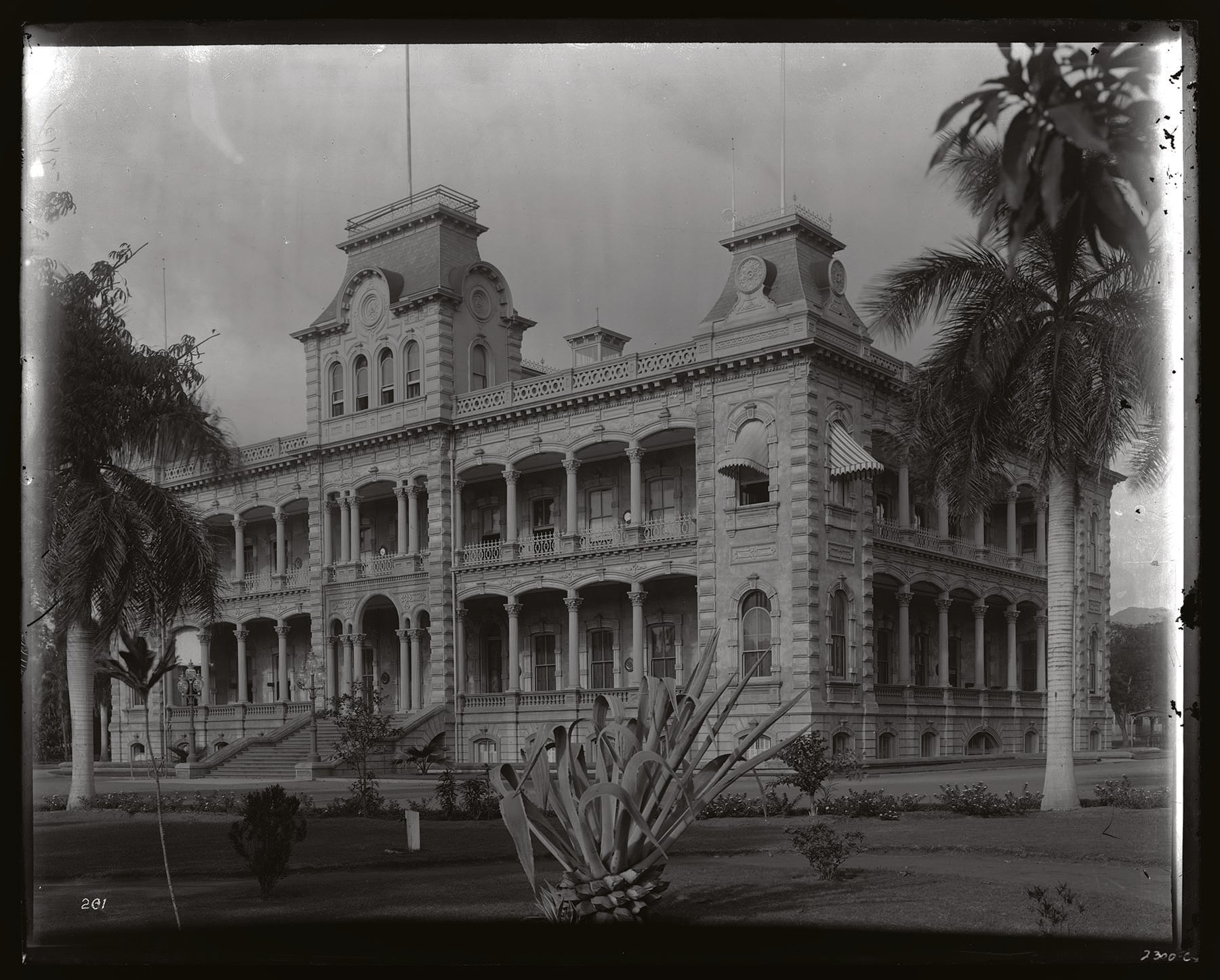
ʻIolani Palace at 60: 100,000 Annual Visitors, Electric Lights Before the White House, and a Queen’s Prison Quilt
ʻIolani Palace draws about 100,000 visitors a year, 60 years after The Friends of ʻIolani Palace formed to...

NWS Warns of Significant Thanksgiving Storm With Coastal Flooding Risk
“We do have an unusually high level of agreement amongst the computer models that there could be a...

Alaska Retabulation Triggers Three House Recounts; Kreiss-Tomkins Transition Advances
The Alaska Division of Elections ran its ranked-choice retabulation Wednesday night for 14 legislative races where no candidate...

No. 6 Texas Routs Southern Indiana 97-61; Vokietaitis Posts Double-Double
No. 6 Texas routed Southern Indiana 97-61 on Sunday at the Moody Center, pushing the Longhorns to 6-0...