When a DMV Visit Fails to Stop Organ Harvesting
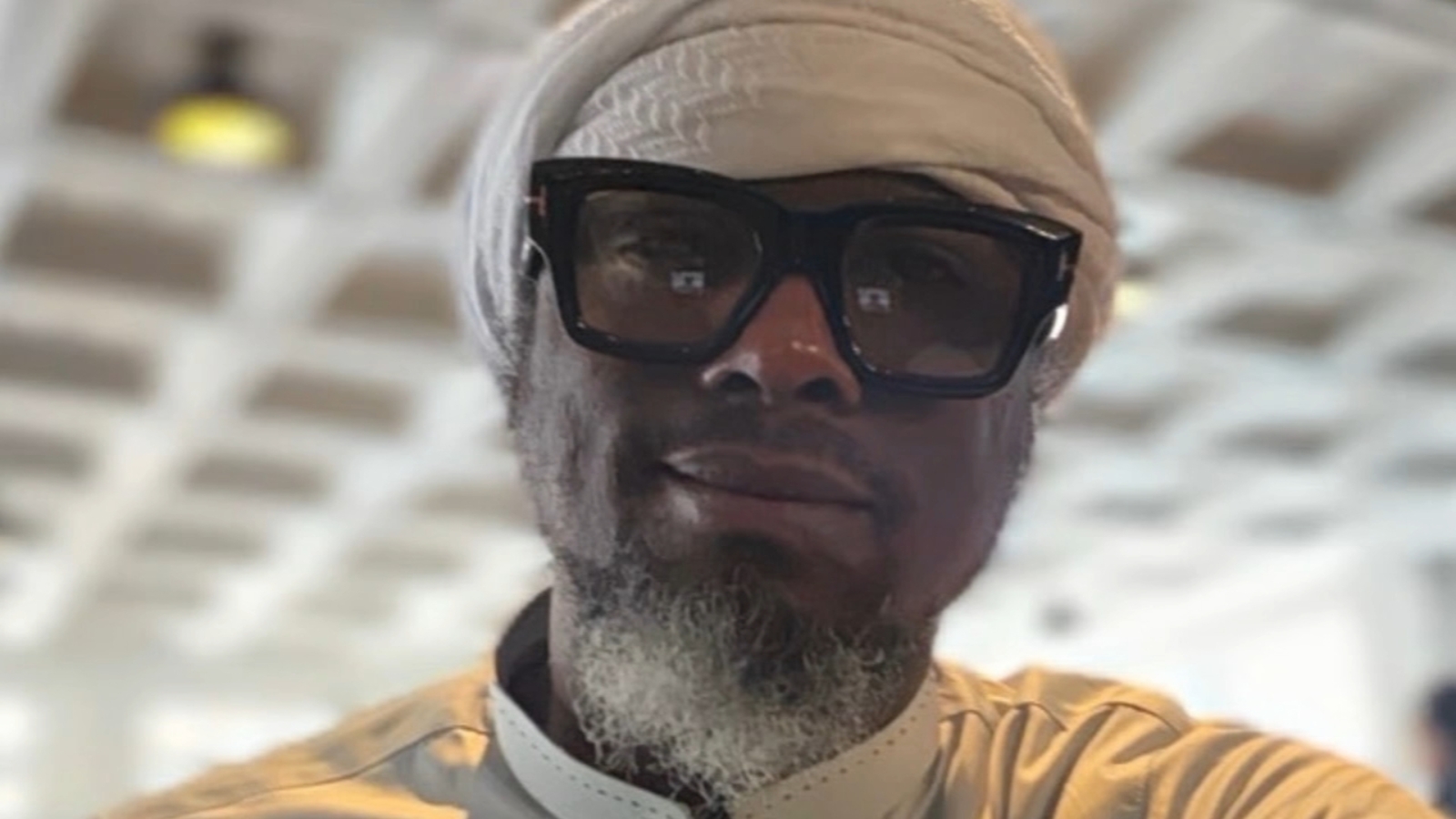
Keith Lott thought he had settled the matter. After converting to Islam, the Swedesboro, New Jersey resident walked into a Motor Vehicle Commission office in 2025 and removed his name from the state’s organ donor registry, believing he had fully withdrawn his consent.
Yet in May, as Lott lay brain dead at Cooper University Hospital following a severe brain aneurysm, his family discovered that bureaucratic disconnects can outlast a person’s life choices. Shortly after Lott was declared brain dead on Tuesday, May 19, his relatives recounted that personnel from the New Jersey Sharing Network—an organ donation coordination nonprofit—contacted them to state that his organs were slated for removal.
What followed was a harrowing two-day standoff at the hospital bedside. The family pointed to Lott’s updated state documentation, but the nonprofit organ procurement organization countered that he also needed to remove himself from a national registry, threatening legal action to proceed with the harvesting. It took the intervention of Paul Moriarty to halt the procedure, leaving the Lott family to bury their relative in accordance with his religious convictions.
Disputed Registries and Growing Legal Scrutiny
The collision between personal autonomy and organ procurement protocols highlights deep fractures within the systems governing end-of-life donations. Organ Procurement Organizations operate as federally designated nonprofits that bridge hospitals, donors, and transplant centers. In New Jersey, the NJ Sharing Network and Gift of Life operate in the area.
Paul Moriarty disputed the organization’s claim that a separate national database override trumps a real-time state MVC update, calling the administrative failure unconscionable. “It’s just unconscionable. It’s sloppy. It’s not professional, and I don’t think people know this,” Moriarty said.
That criticism found an echo outside legislative chambers. Greg Segal, founder of Organize, a nonprofit advocating for improvements in the organ donation system, described the current framework as predatory. Segal pointed to a broader lack of public awareness regarding the scope of standard donor agreements.
“It also doesn’t tell you you’re donating not just your organs, but your skin, your tissues, your bones, your cornea. They don’t tell you that can be sold internationally to for-profit companies for cosmetic testing,” Segal said.
The scrutiny facing the NJ Sharing Network extends far beyond a single disputed bedside. A lawsuit was filed against the NJ Sharing Network on Tuesday by another New Jersey family, who claimed the nonprofit used deceptive practices and undue pressure regarding tissue and bone donations. At the same time, it has emerged that the House Ways and Means Committee is conducting a congressional inquiry into the NJ Sharing Network concerning potential legal infractions, deceptive pressure tactics directed at relatives, and claims of fraud. The New Jersey Attorney General’s Office confirmed it is investigating the allegations.
Legislative Pushback and Unanswered Questions
For the Lott family, relief arrived only after Keith Lott’s niece, Blake Lott, sought assistance from Moriarty, prompting the organization to withdraw its efforts to recover Lott’s organs.
Following this event, Moriarty has put forward a bill mandating that organ procurement agencies rely on the most up-to-date state and federal donor lists. Furthermore, he is drafting a separate bill that would mandate more comprehensive disclosure during the organ registration process, allowing individuals greater choice over which specific body parts they consent to give.
The NJ Sharing Network did not respond to multiple requests for comment. Whether legislative oversight will bridge the gap between state motor vehicle databases and national procurement lists remains an open question for families navigating sudden medical tragedies.
Related reading

What early voting can – and can’t – tell us about how Georgia’s midterm election so far
Georgia Early Voting Numbers Hit Record Highs as Campaigns Sprint to Tuesday Friday marks the final day for...

Explore Orlando’s backyard: 15 outdoor destinations to hike, camp and paddle this fall
Fall in Central Florida brings a specific kind of relief. While northern states trade their green canopy for...
Broncos’ Injury Concerns Grow as Two More Key Players Surface – Sports Illustrated
The Denver Broncos are facing a critical health test as they prepare for their Week 8 rematch against...

Angel Cruzado’s Post – LinkedIn
Angel Cruzado, a founder currently undergoing treatment for stage IV pancreatic cancer, detailed a rigorous travel itinerary on...