
North Dakota’s deer gun season officially opened at noon this past Friday, marking the start of a window for hunters across the state to fill their tags that runs through Sunday, November 22. For some, the timing represents more than just a regulatory window; it is a holiday of sorts that serves as a vehicle for passing down outdoor heritage from one generation to the next. For residents like Mike Uran, the tradition is measured in decades. Uran, who began participating in the hunt in 1960, recalls his early years spent flushing deer out of coulees for his father before he eventually transitioned to carrying his own rifle at age twelve.
The Shift from Active Scouting to Stationary Stands
This year, the hunt takes on a different rhythm for the Uran family. Mike is now joined by his grandson, Channing Klaven. Their experience highlights the evolving nature of the sport, as they transition from the physical exertion of walking through brush to the more stationary approach of hunting from a stand.
For younger participants like Channing, the appeal of the season extends beyond the harvest. While the goal is to secure a deer, the motivation is rooted in the social and environmental connection inherent to the experience.
I like making memories, being in nature, and just the vibe of it.
This sentiment reflects the social continuity of the season. When families prioritize the experience of being in the field together, they contribute to the retention of hunting.

North Dakota Deer Gun Season Runs Through November 22
The North Dakota deer gun season is scheduled to run through Sunday, November 22. This duration gives hunters a little more than two weeks to fill their tags.
For families like the Urans, the next few days represent the culmination of preparation. Whether they return with a deer or simply with the memory of time spent in the stand, the season serves as a consistent marker in the North Dakota calendar, bridging the gap between historical practices and the next generation of participants.
Related reading

Connecticut College Student-Athletes Present Research at Symposium
Student-Athletes Bridge Athletics and Academics at Connecticut College Seventy-two senior student-athletes took center stage at Connecticut College’s eighth...
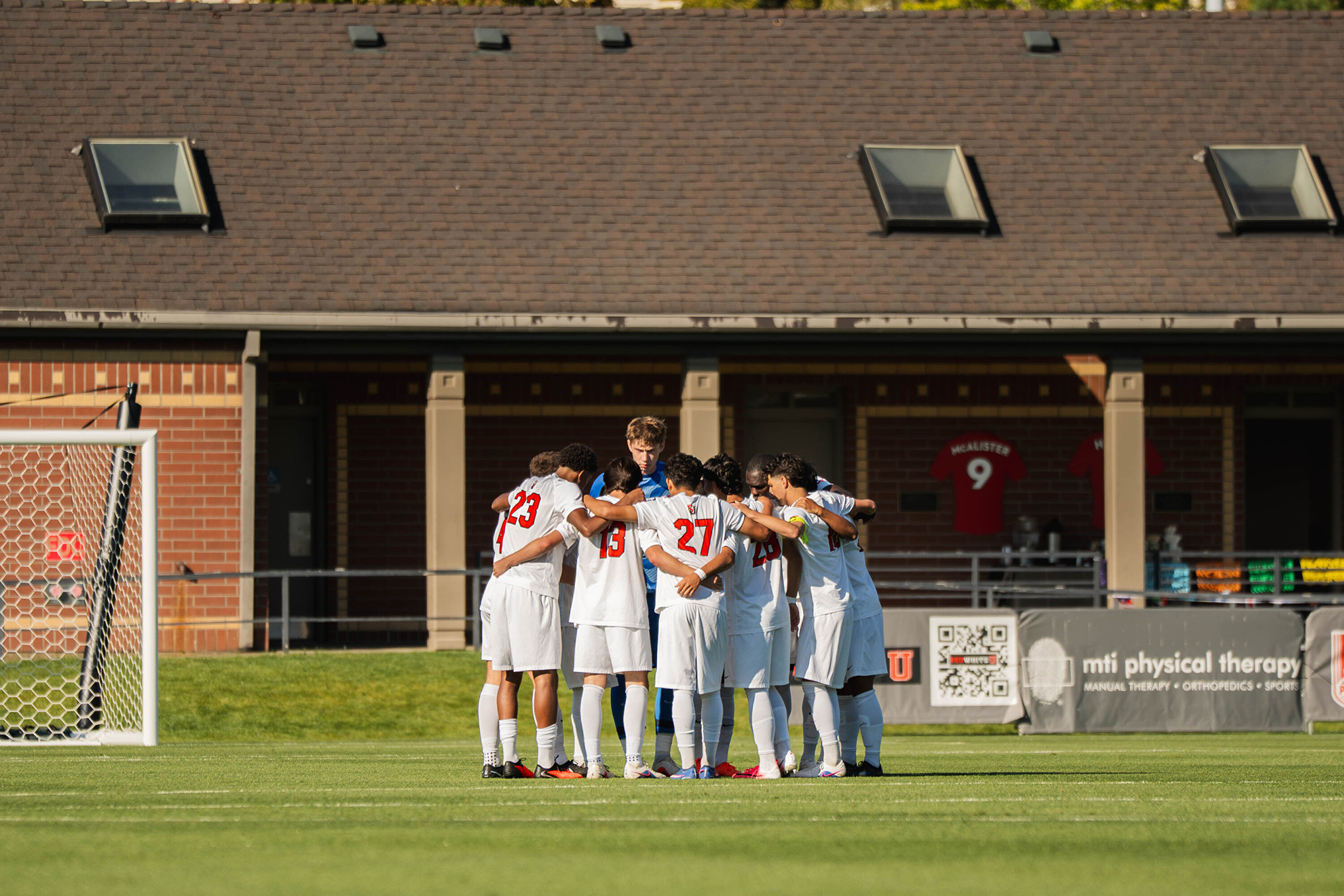
Denver Defeats Seattle U 2-0 to Close Men’s Soccer Season
The Seattle U men’s soccer team concluded its 2026 campaign on a difficult note Friday night, falling 2-0...

Spurs vs. Kings live stats: Wembanyama leads Spurs in Q1
San Antonio Spurs vs. Sacramento Kings Gametracker and Live Stats The San Antonio Spurs and Sacramento Kings faced...

SA Weather Service Issues Severe Storm Warning Across SA
Displaced residents and flooded roads faced severe threats as the South African Weather Service issued a yellow Level...