
North Dakota voters are heading to the polls today to decide the fate of Measure 1, a constitutional amendment that has transformed the state’s midterm election into a high-stakes battleground for political influence. The proposal, which originated during the 2025 legislative session, asks citizens to raise the threshold for passing future constitutional amendments from a simple majority of 50% plus one vote to a 60% supermajority.
According to KFYR, the campaign has drawn more than $3 million in spending, fueled by a mix of local advocacy and significant out-of-state investment. The financial intensity of this contest reflects its potential to fundamentally alter how North Dakotans interact with their state constitution, pitting concerns over grassroots access against fears of well-funded national special interests.
The Arguments for a Higher Bar
Supporters of the measure, including the North Dakota Family Alliance, argue that the current 50% threshold leaves the state constitution vulnerable to outside organizations. Mark Jorritsma, executive director of the North Dakota Family Alliance, frames the move as a long-term defensive strategy. “We support this measure because it protects life,” Jorritsma said. “It will protect life down the road. This is not in and of itself an abortion measure, right, but we have seen in 10 other states that it leads to writing abortion into state constitutions, and that is something that almost all North Dakotans do not want.”
This perspective is backed by the nonprofit group Strong ND, which has directed approximately $1 million toward the campaign, bolstered by messaging from Governor Kelly Armstrong. For these proponents, the 60% requirement serves as a necessary filter to ensure that only changes with broad, consensus-based support can be codified into the state’s founding document.
Outside Money and the Fairness Project
The opposition to Measure 1 has relied heavily on resources from outside the state, specifically from the Washington, D.C.-based Fairness Project. Campaign finance reports compiled by the North Dakota Monitor indicate the group has invested more than $1.6 million to defeat the amendment. The organization, which frequently supports progressive ballot initiatives across the U.S., views the attempt to change the voting threshold as a direct threat to the democratic process.
In an email statement regarding the ongoing debate, the Fairness Project stated, “We are not running an abortion rights measure in North Dakota, nor do we have any plans to run one in 2028. Direct Democracy is about letting North Dakotans decide what happens in their state. That right is being put on the line by Measure 1. Measure 1 is a power grab by politicians, designed to take power away from voters and give it to them instead.”
Grassroots Concerns and Policy Implications
Not everyone sees the debate as a binary choice between abortion policy and voter rights. Dustin Gawrylow, director of the North Dakota Watchdog Network, argues that raising the threshold will primarily hinder local citizens who lack the massive war chests required to clear a 60% hurdle. He contends that the measure fails to address the actual source of the problem—the influx of out-of-state cash—and instead punishes homegrown reform efforts.
“Let North Dakotans address their constitution the way they feel,” Gawrylow said. “We’re not victims of out-of-staters. There are North Dakotans that are involved in that to attract money in, and by making it more difficult, it’s going to attract more money.” Gawrylow suggests that if lawmakers truly wanted to curb the influence of outside money, they should pursue targeted campaign finance reform rather than restricting the constitutional amendment process itself.
As voters cast their ballots today, the outcome will determine whether the path to changing North Dakota’s constitution remains a matter of a simple majority or becomes a significantly more difficult climb.
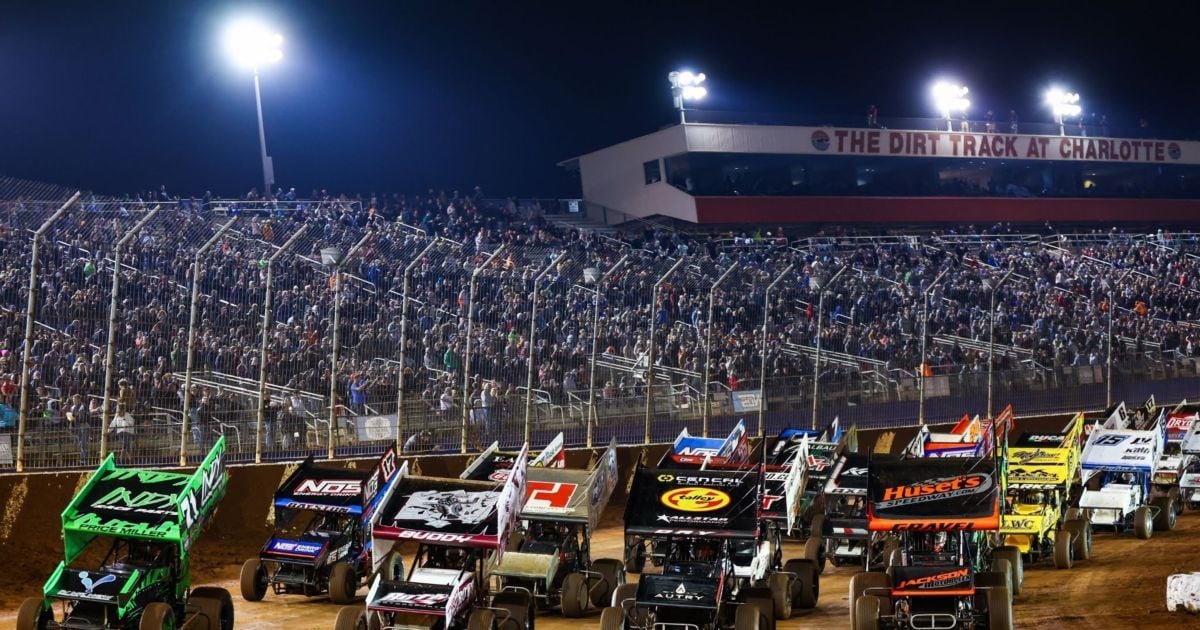
World of Outlaws World Finals: 3 Series, 4 Days of Championship Racing at Charlotte
The Dave Smith Motors World of Outlaws World Finals returns to The Dirt Track at Charlotte Motor Speedway...

Mississippi’s Crisis of Poverty, Infrastructure, and Voting Rights: The SPLC Truth, Poverty and Democracy Tour
Mississippi Residents Demand Solutions as Water and Infrastructure Crises Deepen Inside the Mendon Zion Primitive Baptist Church in...

GOAT USA Offers Free Shipping on Orders Over $125
Shipping Policy Updates Impacting Annapolis Mall Shoppers Shoppers heading to the GOAT USA retail location at the Annapolis...

2026 Toyota Tacoma Hybrid TRD Off-Road Features Efficient 4WD Performance
The 2026 Toyota Tacoma Hybrid TRD Off Road Hits the Baton Rouge Market All Star Toyota of Baton...