A Shift in Bismarck: How New Faces and Small Gains Are Reshaping the North Dakota Legislature
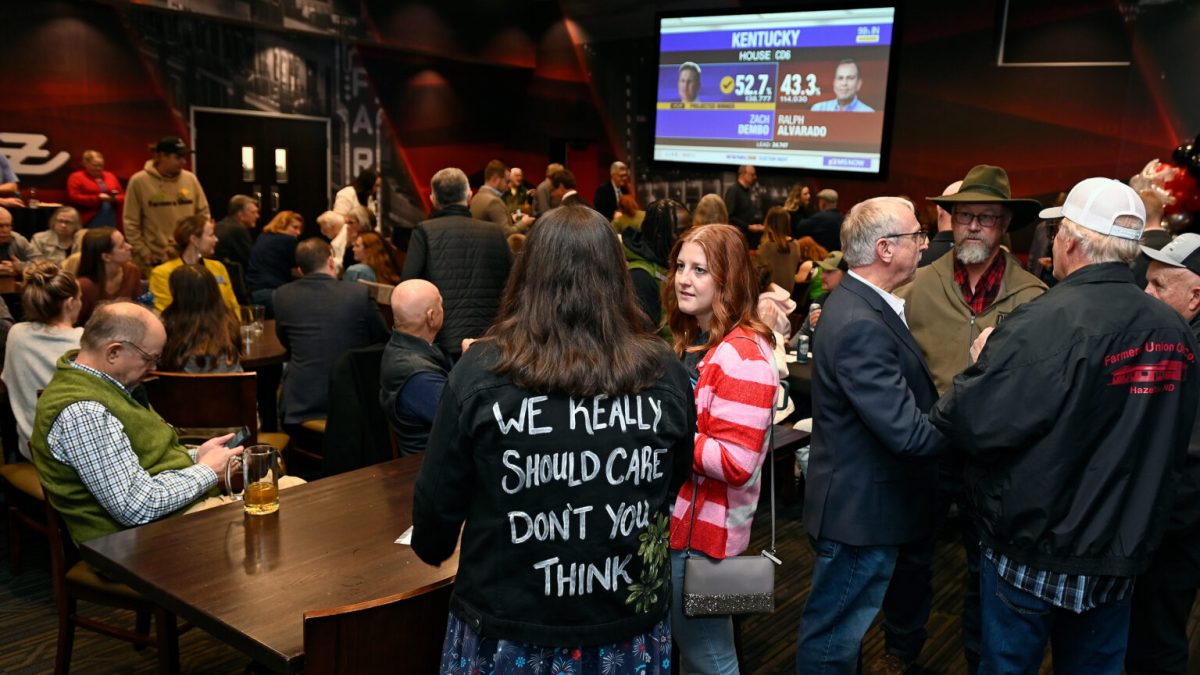
On Tuesday, November 3, 2026, the North Dakota Democratic-NPL Party gathered at the Kingpinz Entertainment Center in Fargo to track a series of legislative races that, while not overturning the balance of power, signaled a notable shift in the state’s political composition. As reported by the North Dakota Monitor, Democrats managed to secure small gains in both the House and the Senate, successfully flipping seats in Fargo and Grand Forks to bolster a minority that has struggled to grow since the 1990s. Across the state, 75 of 141 total legislative seats were on the ballot.
Democrats have not held a majority since the 1980s and 1990s, and their ranks had dwindled to as few as four Senate seats as recently as 2023.
The Human Stakes of the Grand Forks and Fargo Flips
The most high-profile casualty of the night was District 43 Senator Jeff Barta, a Republican from Grand Forks, who lost his reelection bid to Democrat Mary Adams. Adams, a Realtor, brings significant experience to the role, having previously served in the House from 2018 to 2022 before facing unsuccessful bids in 2022 and 2024. Her victory fits a pattern in the district, where Democrats Tyler York and Lucas Maughan also secured the two open House seats, outperforming Republicans Jill Chandler and Mike Holmes. These seats became available after Democratic Representative Zac Ista, the former House minority leader who has held that post since 2023, opted not to seek reelection, and Republican Representative Eric Murphy lost his primary.

In the neighboring District 42, Democrat Nicole Derenne defeated Republican Connie Osowski in a special election to serve the remainder of a two-year House term.
This district had seen its share of changes, with Republican Representatives Jorin Johnson and Karen Grindberg both declining to run for reelection. Lieutenant Governor Michelle Strinden, a Republican, previously held one of the District 41 seats from 2018 to 2024. In Fargo’s District 11, Democrat Anastassiya Andrianova was elected to succeed Representative Gretchen Dobervich, while Republican Doug Sharbono won the other open seat by 160 votes over independent candidate Cara Cody-Braun following the death of Representative Liz Conmy.
Rural Dynamics and the Persistence of Incumbency
While urban gains for Democrats in Fargo and Grand Forks captured headlines, one of the most closely watched races occurred in District 25, where incumbent Democrat Alisa Mitskog defeated Republican incumbent Kathy Skroch. Representative Alisa Mitskog, a Democrat from Wahpeton and a member of the powerful House Appropriations Committee, successfully defended her seat against Republican challenger Kathy Skroch. Skroch, who had been appointed to fill the vacancy left by the late Representative Cindy Schreiber-Beck in 2025, faced Mitskog once before in 2022.
The only other incumbent to fall on Tuesday was Senator Barta, making Skroch and Barta the sole legislative incumbents defeated this cycle. This stability is perhaps best exemplified by Representative Bob Martinson, a Republican from Bismarck. As the most tenured lawmaker in the state, Martinson secured another term, extending a career that has spanned 50 years of noncontinuous service in the House.
Supreme Court Denies Challenge to Allow Candidates to Proceed
Several Republican candidates—including Terry Goerger of District 25, Blaine DesLauriers and Tim Mihalick of the Minot area, and Steve Sauter of the Bismarck area—were the subjects of a court challenge regarding their primary paperwork. The North Dakota Supreme Court ultimately denied the request to overturn their potential victories, allowing them to proceed to the general election, where they all secured wins. Three Republican officials had sought to have the victories overturned and the seats filled by appointment.
With about two dozen lawmakers either retiring or losing their primaries earlier this year, the Legislature will see a significant influx of new members. By early December, the House will convene to elect a new speaker, and members will be officially sworn in. This period is also when Governor Kelly Armstrong is expected to present his budget blueprint, setting the fiscal tone for the state’s biennial session that begins in January.
For the citizens of North Dakota, the coming months in Bismarck will include an organizational session where the Legislature prepares for the upcoming biennial session.
Worth a look
Democrats Flip Three Republican Districts in Michigan Midterms
“Act Like I Am on the Ballot.” Voters Listened “Donald Trump repeatedly said, ‘Act like I am on...
Amy Klobuchar’s Senate resignation puts Minnesota in spotlight
Amy Klobuchar's Senate Resignation to Spark National Political Firestorm in Minnesota Minnesota is about to find itself back...

Circle K Employee Kills Armed Man on Gordon Highway in Augusta
Fatal Shooting at Augusta Circle K A 19-year-old Augusta man is in custody following a deadly encounter at...

Lithium-ion batteries caused fire that killed Boston firefighter
Lithium-ion batteries identified as cause of fire that killed Boston firefighter Boston officials confirmed Wednesday that the May...