
North Dakota’s new Office of Guardianship and Conservatorship opened its doors on April 1 and is managing an influx of cases, handling more than 80 referrals in its first months of operation, according to reporting by KFYR.
Lawmakers established the agency under Senate Bill 2029 during the 2025 legislative session. While many states house guardianship oversight within departments of health and human services or the court system, North Dakota’s office operates independently as what Director Rachel Sinness described as a “one-stop shop for guardianship and conservatorship.”
Sinness stepped into the role in November 2025, guiding the hiring of a six-person team that came aboard in late March and early April. The staff includes a legal director, two guardianship case monitors serving as investigators, a fiscal officer managing state funding sources and eligibility, and an administrative assistant. The agency also collaborates with the Bureau of Criminal Investigation under the Attorney General’s office when cases require deeper scrutiny.
How Referrals Reach the Office and What Happens Next
Unlike the prior court monitoring program managed through the judiciary, which accepted only court-originated referrals, the new office maintains a broader intake process. Referrals stream in from courts, state agencies, family members, and even individuals living under guardianship.
What an honor to receive the @NFIB Guardian Award! There are over 78,000 small businesses across North Dakota and they are a big part of what makes our state strong. https://t.co/RmOuPy2R0O
“We also take those from the public and other agencies,” Sinness said, noting that family members concerned about potential exploitation can contact the office directly to request an investigation. Guardians and conservators must file annual reports with the court, giving judges a mechanism to flag discrepancies and refer cases directly to the OGC for review.
So far, the agency has handled the majority of its 80-plus referrals in-house. While several matters prompted formal recommendations to the district courts where the guardianships originated, and others went to the Bureau of Criminal Investigation, many involved straightforward administrative snags, such as a missing line item on an annual report, which staff resolved quickly.
Ensuring Autonomy Under Strict Standards
Before leading the OGC, Sinness worked as an assistant attorney general focusing on higher education within the North Dakota Attorney General’s office. She noted that the agency’s primary mandate is ensuring that appointed guardians and conservators adhere to strict standards, protecting individual autonomy, upholding basic rights, and ensuring decisions mirror what the protected person would choose for themselves.
For now, the agency operates out of the 14th floor of the Capitol, though plans are underway to relocate to the Liberty Memorial Building. Staff members remain available by telephone to answer questions regarding guardianship and conservatorship.
Related reading

Family Remembers Coventry Teen Killed While Trying to Protect Friend
"That is Nick. Through and through" The family of a 19-year-old Coventry man who was fatally stabbed Monday...
Philadelphia secures Citizens Bank for municipal mortgage program
Citizens Bank Secured for Municipal Mortgage Push Philadelphia is stepping into a high-stakes effort to tackle its acute...
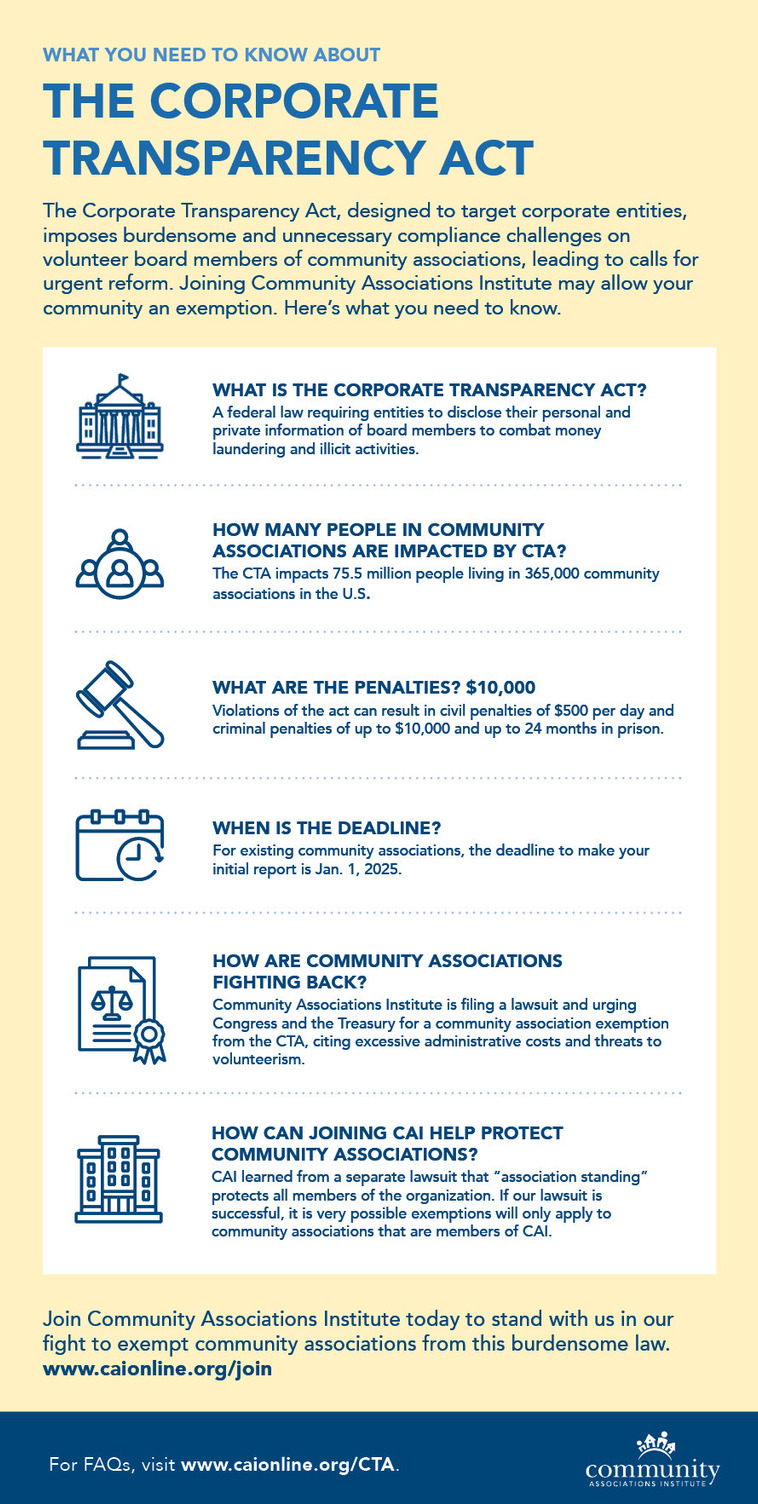
AG Rayfield and State Coalition Sue to Save Corporate Transparency Act
Oregon Leads 21-State Lawsuit Challenging FinCEN Rule Change Federal officials have effectively shuttered a primary federal mechanism designed...

Why the OKC Thunder Should Prioritize TPEs Over Disabled Player Exceptions
Following recent injuries to Jalen Williams and Cason Wallace, it is widely expected that the OKC Thunder will...