
Democrats Outraise GOP in Five Key Ohio House Races
As the midterm election cycle enters its final stretch, Democratic candidates have pulled ahead in fundraising across five of Ohio’s six competitive U.S. House districts, according to financial disclosure reports filed for the first two weeks of October. The data reflects a broad national shift as both political parties redirect millions of dollars into battleground contests traditionally viewed as safe Republican territory.
Nowhere is this financial realignment more apparent than in the 10th Congressional District, where 12-term Republican incumbent U.S. Rep. Mike Turner faces a late surge from Democratic challenger Kristina Knickerbocker. Turner, who has represented the Dayton area for 24 years and never won a regular Congressional election by less than 10 percentage points, was outraised between July and mid-October. Knickerbocker pulled in roughly $642,000 in direct contributions, outpacing Turner’s $417,000, though the incumbent retains a cash advantage from previous war chests.
Shifting Forecasts in Deep Red Districts
The financial momentum mirrors a changing electoral map. In August, the Cook Political Report rated both Ohio’s 10th and 15th Congressional districts as “Solid Republican.” On Oct. 16, the forecaster shifted both seats to “Lean Republican.”
But in better news for Dems: HMP is also slashing its defensive reservation for Rep Greg Landsman (D) in #OH01GOP groups already started cutting from this district pic.twitter.com/rKdi8rblA7
In the 15th District, House Majority PAC—a super PAC aligned with House Democratic leadership—released a poll showing Democratic nominee Don Leonard leading Republican U.S. Rep. Mike Carey by 3%. Financial filings show Carey brought in roughly $772,000 to Leonard’s $550,000 during the same span, leaving Carey with a cash-on-hand advantage of about $272,000 as of October 14.
National Republican Congressional Committee spokesman Zach Bannon pushed back against the tightening margins, insisting the GOP remains on the offensive. “Congressmen Mike Turner and Mike Carey are battle-tested leaders who have delivered real results for their communities and earned Ohioans’ trust,” Bannon said in a statement.
Toss-Ups and Self-Funding Strains
The largest fundraising disparities appeared in races rated as toss-ups by independent forecasters. In the 7th Congressional District, Democratic nominee Brian Poindexter reported hauling over $3.1 million in direct contributions from July through mid-October. That dwarfs the $180,000 reported by incumbent Republican U.S. Rep. Max Miller.

Miller’s campaign finances took a severe hit after allegations of domestic abuse prompted calls from multiple national Republicans, including both of Ohio’s U.S. Senators, for him to drop out. Miller injected $1 million of his own money into the race in August and burned through nearly $2.4 million in the third quarter. By mid-October, however, his spending slowed to just over $22,000, leaving him with roughly $135,000 in cash on hand—making him the only incumbent in a competitive Ohio district with less cash than his opponent.
“After Max Miller loaned himself $1 million to try to buy himself out of trouble, tens of thousands of grassroots supporters stepped up to help send a union ironworker to Congress,” Poindexter said in a press release.
Meanwhile, in the 9th Congressional District, Democratic U.S. Rep. Marcy Kaptur spent over $3.2 million in the third quarter alone during her rematch with Republican nominee Derek Merrin. It marks the heaviest quarterly spending of Kaptur’s 44-year tenure representing the district. Kaptur reported roughly $697,000 in cash on hand compared to Merrin’s $430,000.
Outside Spending Floods the Map
Independent expenditure groups have poured millions into Ohio’s competitive districts, overshadowing local fundraising in many areas. In the 10th and 15th district races, outside groups pumped a combined $5.4 million into ads during a single week in October. A Democratic dark money group, Your Community PAC, accounted for nearly $3.9 million of that spending.
Atiba Ellis, a Case Western Reserve University professor specializing in campaign finance, noted that heavy outside spending often reshapes the narrative of a race in ways candidates cannot control.
Their premise is to motivate people using the least common denominator they can find concerning the candidate they oppose. It’s ironic that in the name of getting out the vote, we’re being distracted from having serious debates about the issues that should guide people on how to vote.
As campaigns enter their final days, both parties are testing whether grassroots enthusiasm and cash advantages can overcome decades of entrenched incumbency in districts once written off by national strategists.
Related reading
- AG Rayfield and State Coalition Sue to Save Corporate Transparency Act
- Why the OKC Thunder Should Prioritize TPEs Over Disabled Player Exceptions
- Two Points Anywhere in the Last Five Races Make Antonelli F1 Champion (daybreakwire.com)
- 9 Activities Cited as Canadian Interference Ahead of US Midterms (archyde.com)
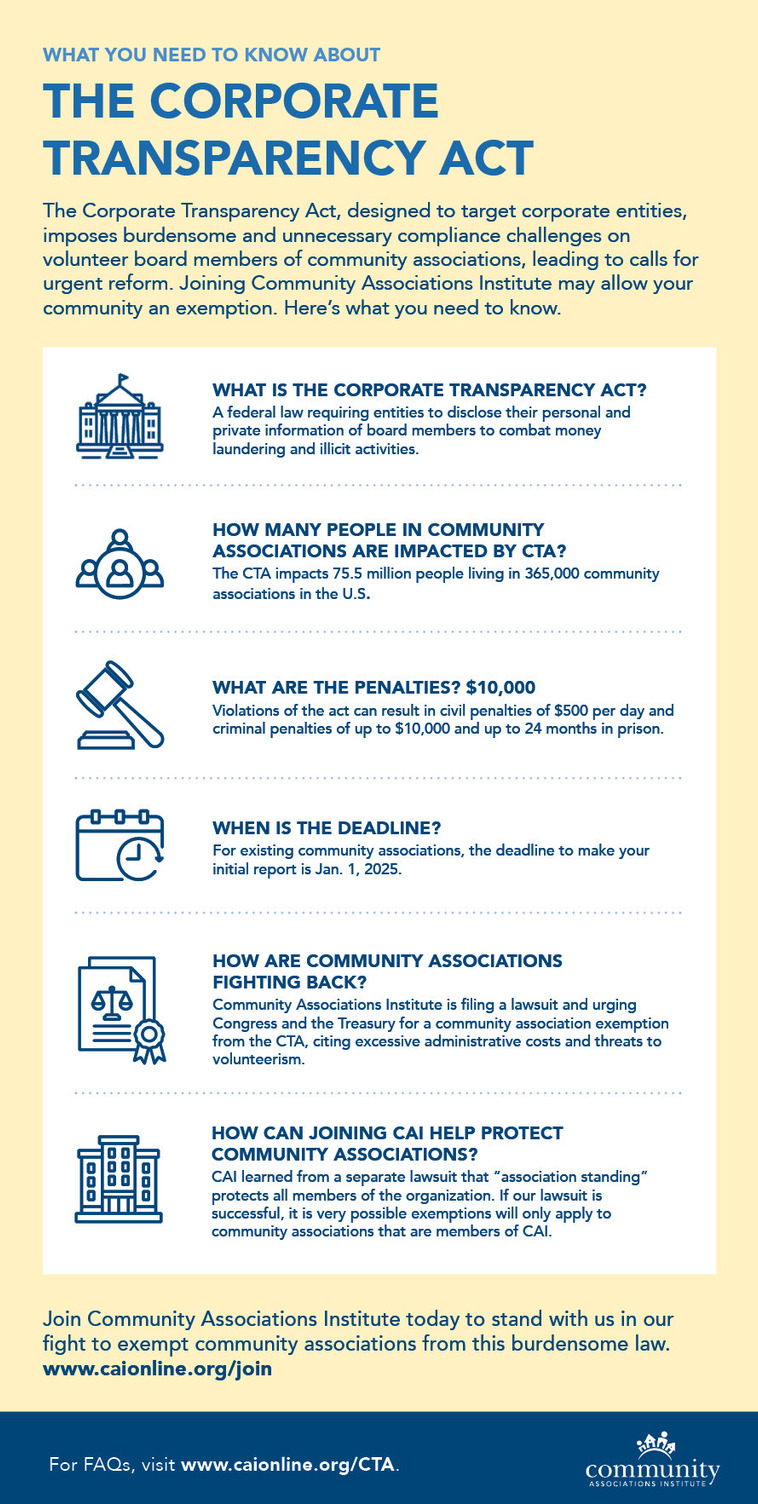
AG Rayfield and State Coalition Sue to Save Corporate Transparency Act
Oregon Leads 21-State Lawsuit Challenging FinCEN Rule Change Federal officials have effectively shuttered a primary federal mechanism designed...
Why the OKC Thunder Should Prioritize TPEs Over Disabled Player Exceptions
Following recent injuries to Jalen Williams and Cason Wallace, it is widely expected that the OKC Thunder will...
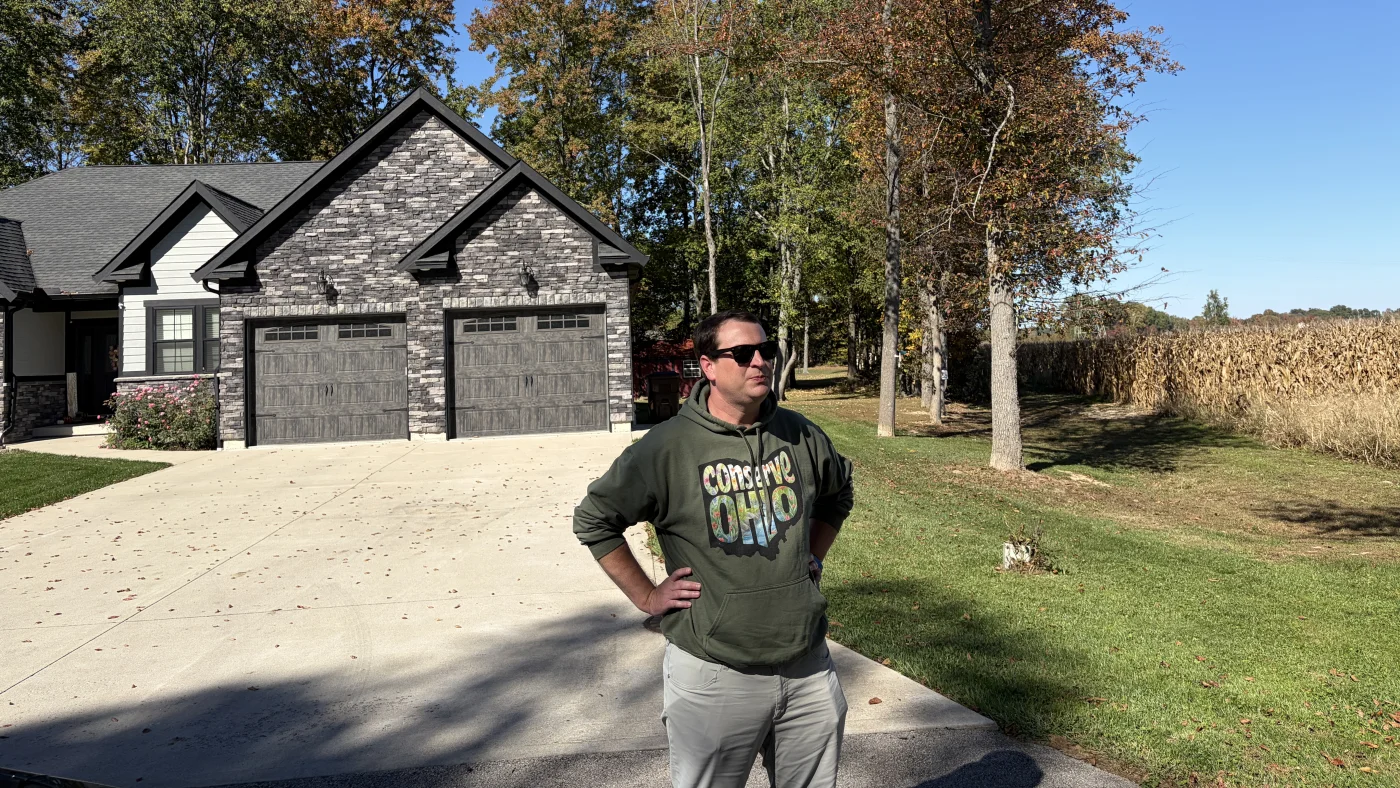
Conserve Ohio backs ballot initiatives to ban large-scale data centers
When Farmland Meets the Server Rack in Rural Ohio Nick Owens stands at the edge of a Mt....

Early Voting Begins in Morton County as Statewide Turnout Hits 13,000
Early Voting Begins in Morton County as Statewide Turnout Climbs Early voting is officially underway in Morton County,...