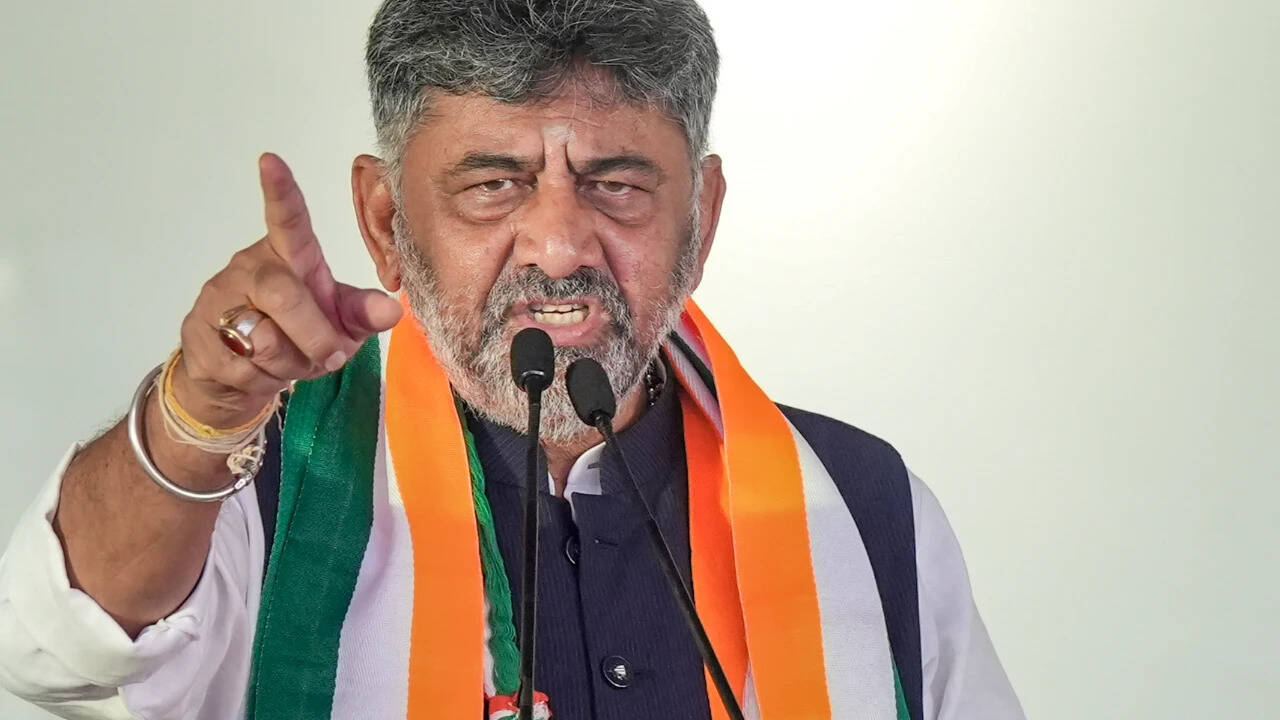
On Sunday, Karnataka Chief Minister DK Shivakumar criticized the Centre regarding accusations of excessive ethanol blending in petrol, asserting that thousands of automobiles were facing difficulties, such as lower fuel efficiency and frequent engine breakdowns.
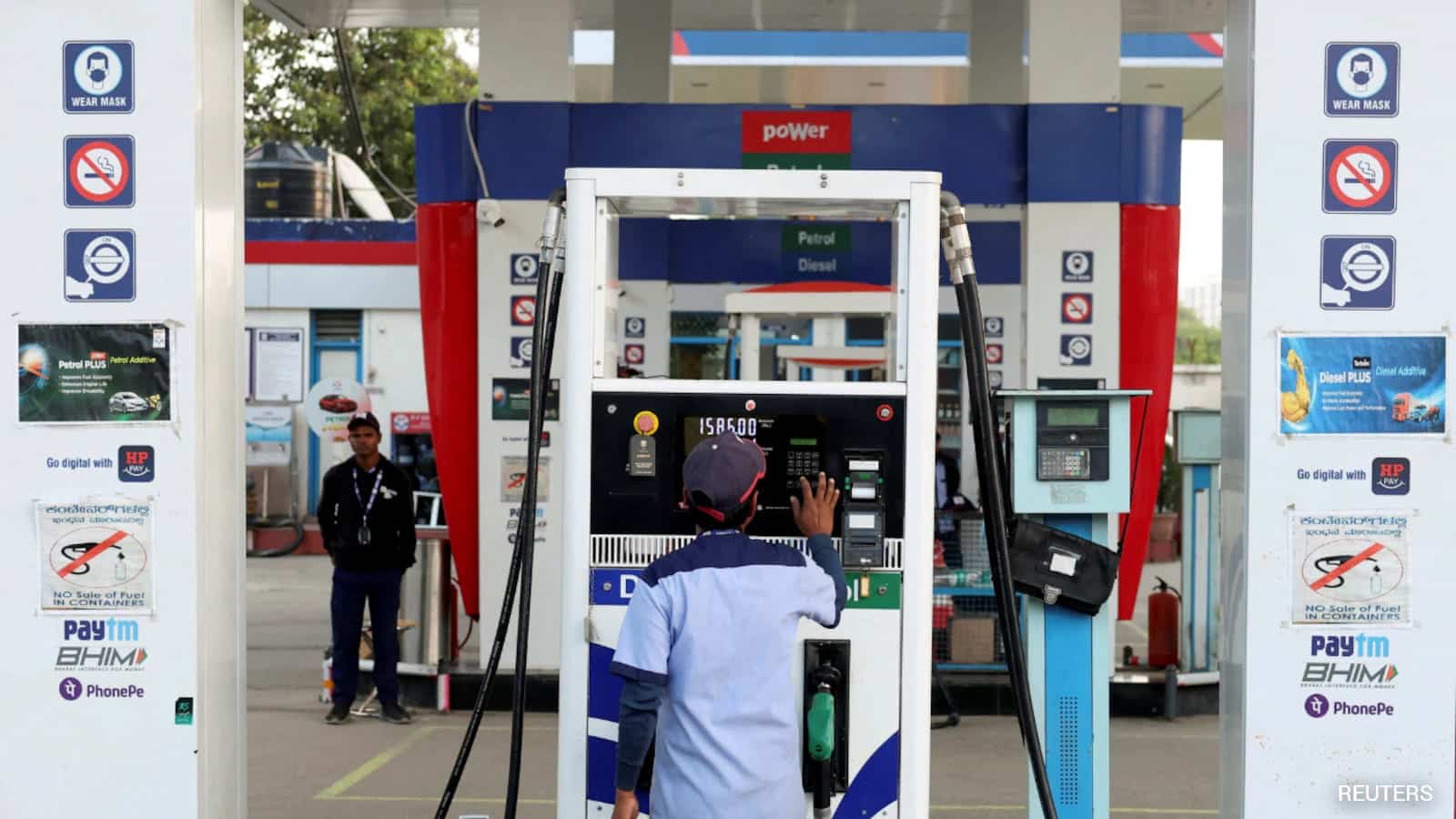
The dispute centers on whether commercially sold E20 fuel—petrol blended with up to 20% ethanol—is adhering to legal limits or being over-blended at retail outlets. According to findings released by the Karnataka government, state authorities collected samples from 67 locations and found ethanol levels significantly higher than the prescribed 20% ceiling, reaching up to 31.2% in some tests.
Protecting consumers from exploitation and ensuring accountability are our foremost responsibilities. The Department of Legal Metrology, led by Minister Shri @ArshadRizwan has conducted extensive inspections across Karnataka under Mission Nikhara. Independent laboratory tests… pic.twitter.com/CVPRDEO650
State Findings Versus Federal Rebuttals
Karnataka food, civil supplies, consumer affairs and legal metrology minister Rizwan Arshad detailed that tests on samples collected from seven locations, including Bengaluru, Kolar, Chikkaballapura, Ramanagara, Mangaluru, and Tumakuru, recorded ethanol levels as high as 31.2%. Company-wise findings from the state’s audit showed Indian Oil samples registering up to 31.2% ethanol, HPCL premium petrol reaching 30.5%, BPCL recording 26.5%, Nayara registering 26.1%, and Shell recording 25.5%.
Government representatives cautioned that these elevated proportions can harm rubber seals, fuel filters, injectors, fuel pumps, and hoses, especially within older automobiles that lack calibration for high-ethanol mixtures. Shivakumar alleged that the mixing was occurring at petrol bunks rather than during the upstream supply process to increase profit margins on cheaper ethanol.
Karnataka’s motorists are being cheated at the pump. Petrol samples from 7 districts show ethanol far above the 20% limit: 31.2% in IOCL fuel and 30.5% in HPCL fuel. These are Central PSUs, and this is the Modi government’s E20 policy. People pay full price, lose mileage and… pic.twitter.com/utffBFGEVU
State-owned oil marketing companies—Indian Oil Corporation Limited, Bharat Petroleum Corporation Limited, and Hindustan Petroleum Corporation Limited—alongside the Union Ministry of Petroleum and Natural Gas, rejected the allegations. The companies maintained that petrol supplied by them complied with the Bureau of Indian Standards specification for E20 fuel.
Ethanol levels in 893 E20 samples collected from depots and retail outlets of IOCL (330), BPCL (280), and HPCL (283) across 27 States and Union Territories were examined by the petroleum ministry and oil marketing companies in accordance with IS 17021. All 893 samples were found within the prescribed range of 19% to 21%. Authorities noted that all 56 samples tested in Karnataka as part of this pan-India audit also conformed to specifications, recording ethanol content between 19% and 20%, with an average of 19.30%.
Disputes Over Testing Protocols and Next Steps
The friction between state investigators and central fuel marketers hinges on methodology. Oil companies questioned the sampling procedure and testing methodology used in the state government’s October 2026 exercise, arguing that findings based on third-party laboratory certificates did not follow prescribed statutory and technical procedures under IS 17021.
In response to the standoff, the Karnataka government stated it had completed roughly 30% of its investigation and planned to release full details and documents. Meanwhile, Indian Oil, BPCL, and HPCL have sought joint, transparent testing with the State Government using certified, accredited laboratories to establish the facts.
The numbers speak for themselves! All 56 E20 petrol samples tested across Karnataka by PSU OMCs met prescribed ethanol-content specifications, recording an average of 19.30%. Facts backed by scientific testing.#IndianOil #E20 #FuelQuality #FactCheck@HardeepSPuri… pic.twitter.com/jFmMdzpr1v
More on Karnataka Chief Minister
There's precision behind every blend! ⛽ From automated systems to stringent quality checks, ethanol blending follows a carefully controlled process to meet prescribed fuel standards before reaching consumers.#IndianOil #E20Petrol #FuelQuality #MythBuster@HardeepSPuri… pic.twitter.com/t7fBN7kv1F
Worth a look

Participants in a clinical study breathed into a specially designed instrument to generate tiny
Measuring Lower Airway Antibodies Through Exhaled Breath Participants in a clinical study breathed into a specially designed instrument...

UNESCO Recommends Kazakhstan Traditions for Heritage List
UNESCO recommends adding Kazakh traditions to global heritage list The Salburyny hunting festival, traditional embroidery, and the ancient...
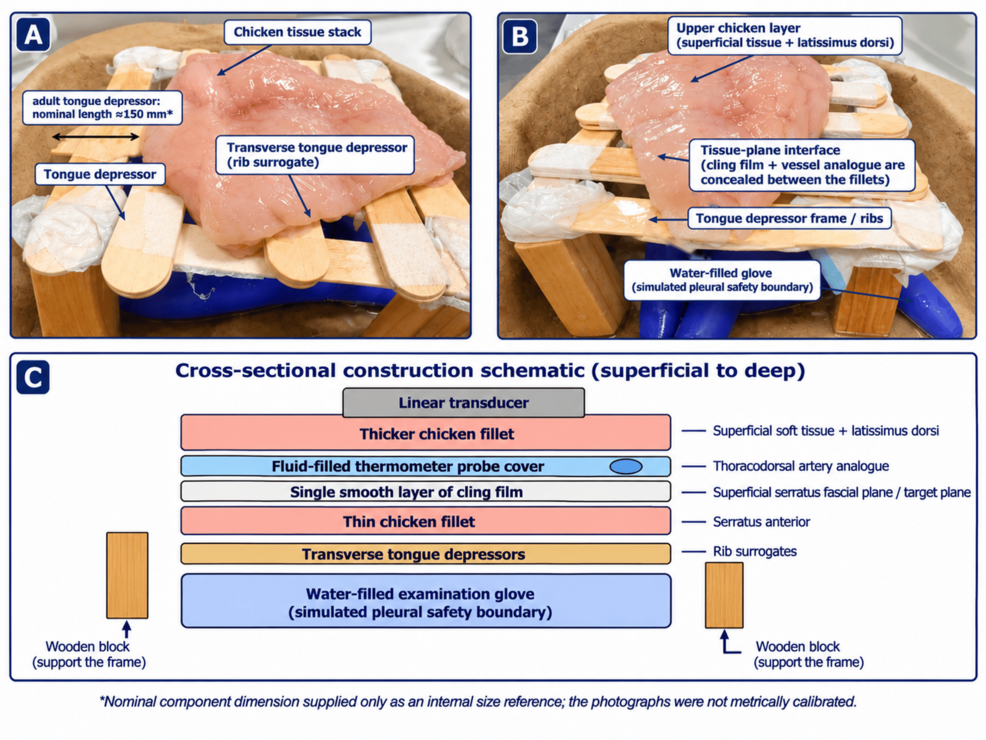
Low-Cost Ultrasound-Guided Serratus Anterior Plane Block Simulator and Training Pathway
A Low-Cost Training Tool for Rib Fracture Pain Management Researchers have developed a makeshift, low-cost simulator designed to...

Punjab Police Deport Wanted Gangster Gurwinder alias Afridi From Ethiopia After 10-Month Manhunt
Gurwinder, widely known as Afridi, landed at Delhi’s Indira Gandhi International Airport early Sunday morning, marking the end...